Drawing paper types shape how your marks look, feel, and hold up over time.
If you have ever wondered why one sketch looks crisp on one sheet and muddy on another, the answer is usually the paper. Drawing paper types affect line control, shading, erasing, blending, and even how long a finished piece lasts. I have tested enough sketchbooks, pads, and specialty sheets to know that the right paper can make a good drawing feel much easier.
What drawing paper types are and why they matter
Drawing paper types are different papers made to support specific art tools and styles. Some are smooth for pen and graphite. Others are textured for charcoal, pastel, or colored pencil. The best choice depends on how you work, not just what looks nice on the shelf.
Paper changes the whole drawing experience. A smooth sheet lets a pencil glide. A rougher sheet grabs pigment and builds rich layers. If you choose the wrong one, even a strong drawing can feel harder than it should.
The main drawing paper types you should know
Not all drawing paper types are made the same. The surface, weight, texture, and fiber content all affect results. When I first started, I thought “thicker is always better,” and that was a mistake. A heavy sheet can still be too smooth, and a light sheet can still be perfect for quick studies.
Bond paper
Bond paper is a simple, affordable option used for practice, notes, and light sketching. It is usually smooth and easy to find in pads and loose sheets.
It works well with pencil, pen, and light marker use. The downside is that it can buckle with too much moisture and may not handle heavy erasing well.
Sketch paper
Sketch paper is one of the most common drawing paper types for everyday practice. It is usually light to medium weight and made for rough ideas, gesture drawings, and warm-ups.
I often recommend sketch paper for beginners because it lowers pressure. You can make mistakes, try again, and move fast. It is not usually meant for finished art, but it is great for learning.
Drawing paper
Drawing paper sits between sketch paper and premium art paper. It is stronger, smoother, and better for finished pencil work, ink, and light mixed media.
This is a dependable choice if you want cleaner lines and better erase performance. It is one of the most versatile drawing paper types for students and hobby artists.
Bristol paper
Bristol paper is a heavier, smoother paper made for detailed work. It is a favorite for ink, graphite, markers, and technical drawing.
There are usually two main surfaces:
• Smooth plate surface for sharp lines and fine detail
• Vellum surface for a little tooth and better pencil grip
Bristol paper feels professional because it handles clean work so well. If you like crisp edges and controlled shading, this is one of the best drawing paper types to try.
Watercolor paper
Watercolor paper is built for wet media, but it also works for mixed media drawing. It is thick, absorbent, and made to handle water without warping too much.
It comes in hot-pressed, cold-pressed, and rough textures. Hot-pressed is smoother. Cold-pressed has more texture. Rough has the most grip.
I have used cold-pressed sheets for pastel underdrawings and ink washes, and they hold up beautifully. If your drawings include water, watercolor paper is often worth the extra cost.
Mixed media paper
Mixed media paper is designed for both dry and wet tools. It is a flexible choice for artists who like to switch between pencil, ink, marker, and light paint.
This paper is often a smart middle ground. It will not outperform specialty paper in every case, but it reduces the need to buy multiple pads. For many artists, that makes it one of the most practical drawing paper types.
Charcoal paper
Charcoal paper has a strong tooth, which means it grips powdery media well. It is made for charcoal, conte, and pastel.
The texture helps darks build fast and gives soft edges a natural look. The tradeoff is that fine detail can be harder to control, and blending may feel messier. Still, for dramatic value studies, charcoal paper is excellent.
Pastel paper
Pastel paper is made with a surface that holds soft or oil pastel pigment. It often has a sanded or textured finish.
This paper lets you layer without losing pigment too quickly. When I first tried pastel on plain drawing paper, I was shocked at how much dust and slip I got. Pastel paper fixed that right away.
Toned paper
Toned paper is paper with a gray, tan, or colored base. Artists use it to work both up with highlights and down with shadows.
It is especially useful for figure drawing, portraits, and dramatic studies. The mid-tone base saves time and helps values pop. Among drawing paper types, toned paper is one of the easiest ways to make sketches feel more dimensional.
Tracing paper
Tracing paper is thin and semi-transparent. It is used for copying, planning, and overlaying ideas.
It is not ideal for heavy shading or final artwork, but it is useful in design and composition work. Many artists keep it around for revisions and layout studies.
How to choose the right drawing paper type
Picking between drawing paper types becomes easier when you match the paper to your medium and goal. Think of paper like the ground under your shoes. A runner would not pick mud for a sprint, and an artist should not pick paper that fights the tool.
Here is a simple way to choose:
• For pencil sketches, use sketch paper or drawing paper
• For clean ink work, use Bristol paper or smooth drawing paper
• For charcoal and pastel, use charcoal paper or pastel paper
• For watercolor or wet mixed media, use watercolor paper
• For flexible projects, use mixed media paper
• For dramatic value work, try toned paper
Also look at these paper features:
• Weight: Heavier paper usually handles more pressure and moisture
• Texture: Smooth paper is good for detail, while textured paper grabs more pigment
• Tooth: More tooth helps charcoal, pastel, and layered pencil work
• Brightness: Brighter paper can make whites and contrast stand out
• Acid-free quality: Acid-free paper lasts longer and resists yellowing
The best advice I can give is to test a few small pads before buying large stacks. I have made the mistake of buying a full-size pad that looked perfect online, only to find it too slick for charcoal. A sample pack can save money and frustration.
Best drawing paper types for different art styles
Different styles ask different things from paper. That is why one paper may be perfect for a portrait artist and frustrating for a comic artist.
For realistic pencil drawing
Smooth drawing paper and Bristol paper work very well. They support clean edges, layering, and fine detail.
For sketching and practice
Sketch paper is usually enough. It is affordable and forgiving, which helps you draw more without worrying.
For ink drawing
Bristol paper, especially smooth Bristol, is a strong pick. It resists feathering better than many light papers.
For charcoal and expressive studies
Charcoal paper and toned paper give you the best grip and value range. They help you build depth fast.
For colored pencil
Medium-texture drawing paper, Bristol vellum, and some mixed media papers work well. You want enough tooth to hold pigment, but not so much that blending becomes a fight.
For mixed media art
Mixed media paper is the most balanced choice. It can handle several tools without falling apart too fast.
Paper weight, texture, and tooth explained simply
These three terms matter more than most people think. Once you understand them, shopping for drawing paper types gets much easier.
Paper weight
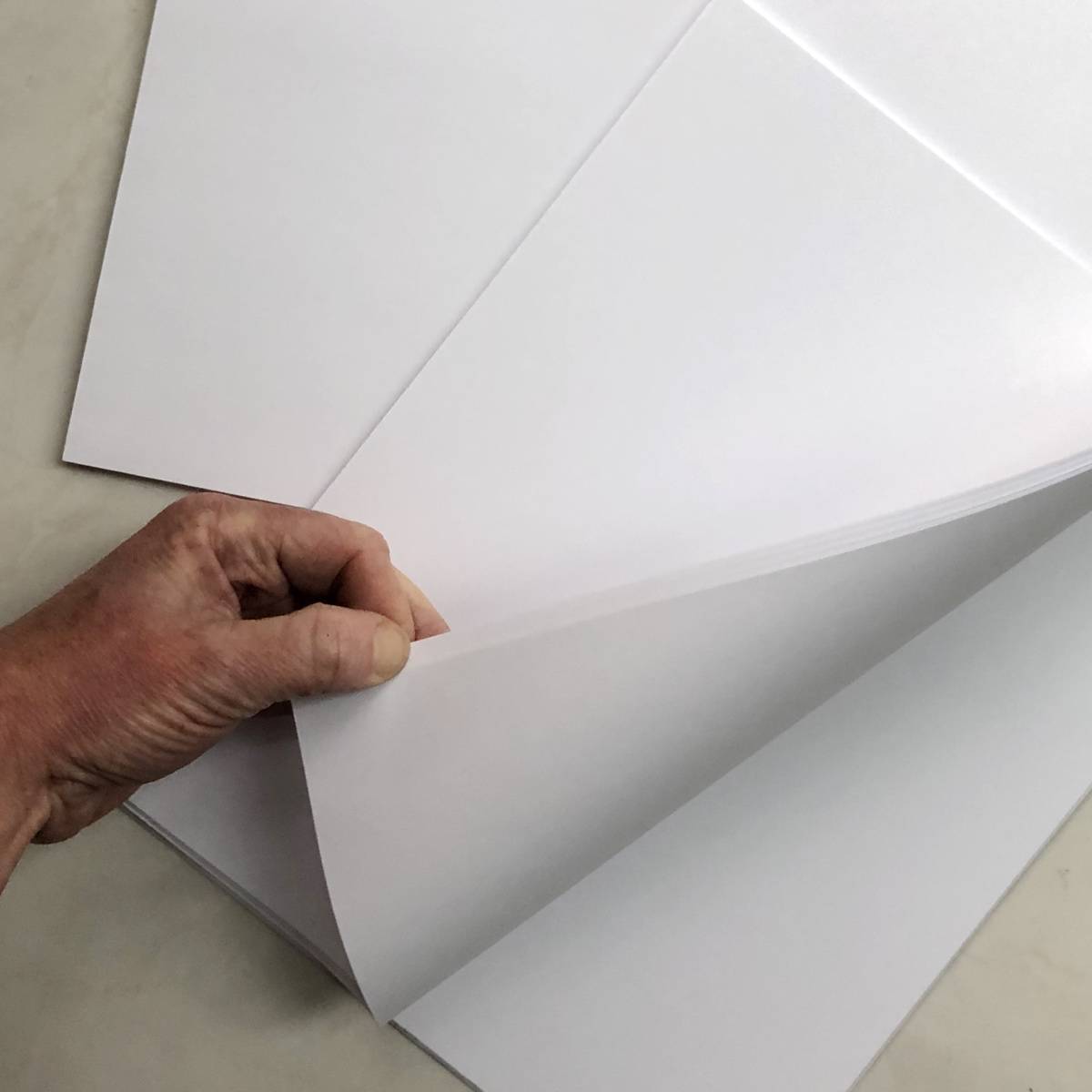
Paper weight tells you how thick or heavy the sheet is. Heavier paper usually resists tearing, wrinkling, and bleed-through better.
Light paper is fine for practice. Heavier paper is better for finished art, repeated erasing, and wet media.
Texture
Texture is how the paper feels on the surface. Smooth paper is easier for fine detail. Textured paper catches more pigment and creates a richer mark.
Tooth
Tooth is the tiny surface grip that holds graphite, charcoal, pastel, or pencil layers. More tooth usually means more layering power.
If your shading disappears too fast, the paper may be too smooth. If your lines skip or break, the paper may be too rough for your tool.
Common mistakes people make with drawing paper
I have seen many artists blame their tools when the real problem was the paper. That happens a lot.
Common mistakes include:
• Using smooth paper for charcoal, which causes weak grip
• Using thin paper for heavy erasing, which tears the surface
• Choosing watercolor paper for fine ink detail without testing the texture first
• Buying paper by brand name alone instead of checking weight and surface
• Ignoring acid-free quality for artwork meant to last
A small correction here can improve your results fast. Sometimes the fix is not a better pencil. Sometimes it is just better paper.
How drawing paper affects archiving and durability
If you care about keeping art for years, paper quality matters. Acid-free paper is less likely to yellow, become brittle, or degrade quickly. This is especially important for commissions, portfolio pieces, and artwork you may frame.
Archival quality depends on more than paper alone. Storage, light exposure, and humidity also matter. Still, starting with acid-free drawing paper types gives your work a much better chance of lasting.
Practical tips from real studio use
A few simple habits can save you time and money.
• Keep a cheap sketch pad for warm-ups and rough ideas
• Use a better sheet only when you are ready for final work
• Test how your pencil, pen, or pastel behaves before starting a serious piece
• Tape down wet media paper to reduce warping
• Store paper flat in a dry place to avoid curling
One lesson I learned the hard way: do not judge a paper by the first five seconds. Some papers feel odd at first but become excellent once you layer on them. Give the surface a real test, not just a quick scratch.
Frequently Asked Questions of drawing paper types
What is the best paper for pencil drawing?
Bristol paper and smooth drawing paper are excellent for pencil drawing because they support fine detail and clean shading. If you want more texture and grip, a vellum surface may work better.
Can I use regular printer paper for drawing?
Yes, for very light sketches or practice, but it is not ideal for finished work. Printer paper is thin and can wear down fast if you erase a lot or use heavy shading.
What drawing paper types are best for beginners?
Sketch paper and standard drawing paper are the easiest places to start. They are affordable, forgiving, and good for building skill without worrying too much about wasted sheets.
Is textured paper better than smooth paper?
Neither is always better. Textured paper is great for charcoal, pastel, and layered marks, while smooth paper is better for detail, pen work, and controlled pencil lines.
What paper should I use for mixed media?
Mixed media paper is the safest choice if you plan to use pencil, ink, light watercolor, or marker together. It gives you more flexibility than basic sketch paper.
Does paper weight really matter?
Yes, paper weight affects durability, moisture resistance, and how well the sheet handles erasing. Heavier paper usually performs better for finished drawings and mixed media work.
Conclusion
The right drawing paper types can change everything about how your art feels and looks. Once you match the paper to your medium, style, and goal, drawing becomes smoother, cleaner, and more enjoyable.
If you are unsure where to begin, start with sketch paper, drawing paper, and Bristol paper, then test a few more options as your style grows. Keep experimenting, take notes on what works, and trust your hands as much as the label. If this guide helped you, explore more art supply tips or leave a comment with your favorite paper type.