
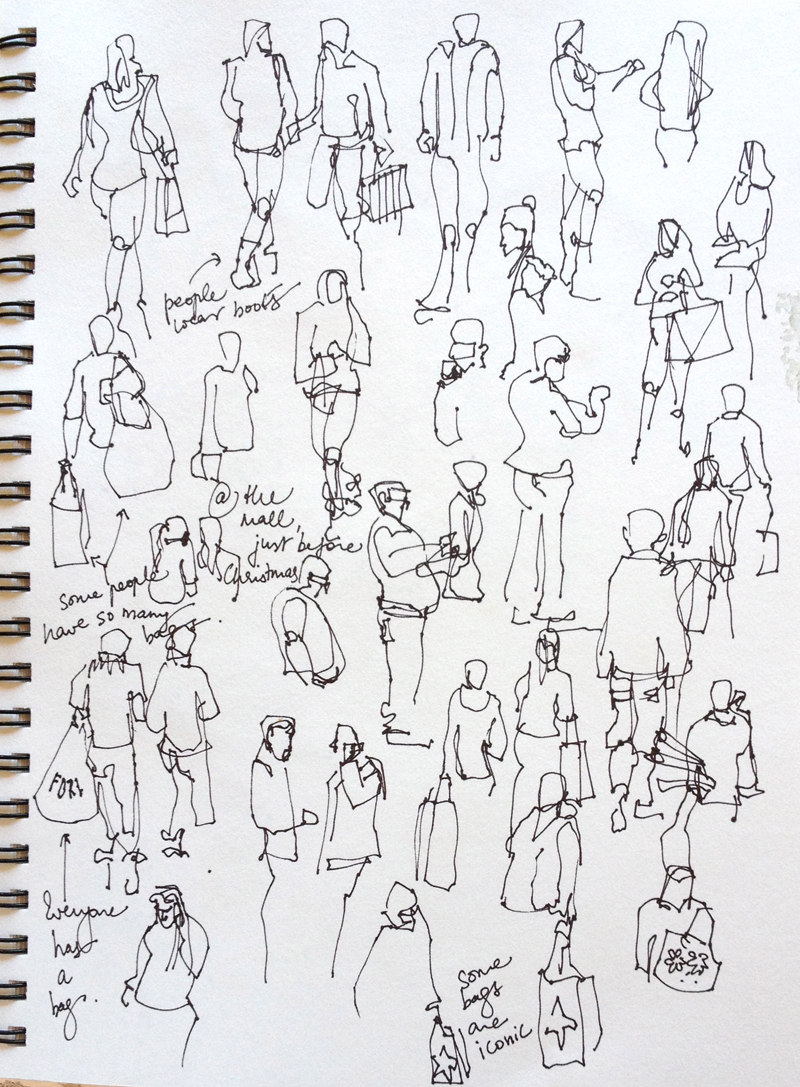
Sketching people means capturing a person’s gesture, shape, and expression with simple, fast lines.
Sketching people is one of the most useful skills in drawing because it teaches you how to see movement, proportion, and character at the same time. It is not about making every detail perfect. It is about understanding the human form well enough to make a drawing feel alive, believable, and full of energy.
What Sketching People Really Means
Sketching people is the act of drawing a person quickly and loosely, usually before moving into a more finished drawing. It often starts with gesture, then shape, then basic anatomy. The goal is to capture the feeling of the person, not just the outline.
In my experience, this is where many artists improve the fastest. Once I stopped chasing clean lines and started focusing on motion and proportion, my people drawings looked much more natural. That shift changed everything for me.
Sketching people is used in many places:
- Figure drawing classes
- Fashion illustration
- Comic art
- Character design
- Urban sketching
- Portrait studies
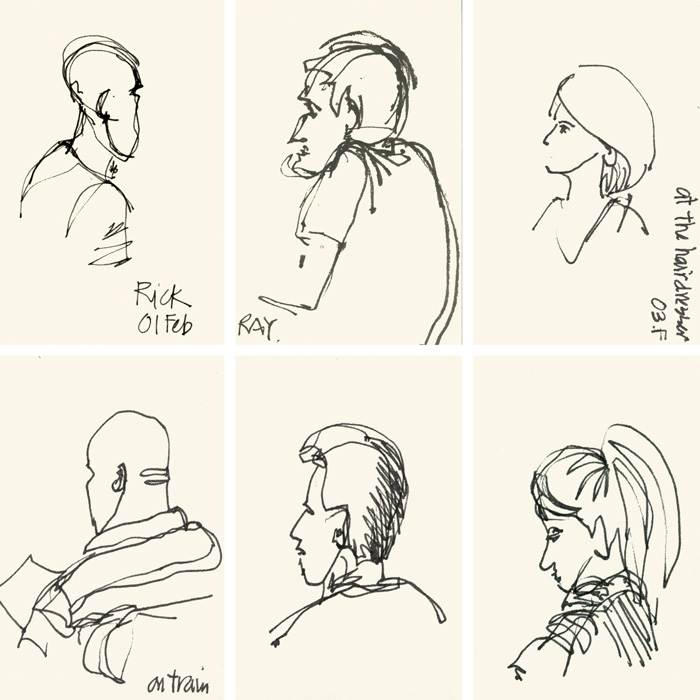
It is also a great way to train your eye. People change shape depending on posture, clothing, camera angle, and even mood. Learning to sketch people helps you see those changes clearly and draw them with confidence.
Why Sketching People Is So Valuable
Sketching people builds core drawing skills in a way that very few other subjects can. The human body is complex, but it also follows patterns. When you practice often, you start to notice those patterns and use them naturally.
Here are some major benefits of sketching people:
- Better observation skills
- Stronger sense of proportion
- Improved hand and eye coordination
- More confidence with line work
- Faster drawing speed
- Better understanding of anatomy and gesture
It also helps you draw from life instead of relying only on photos. That matters because real people move, shift weight, and change expression every second. A live subject teaches you to simplify fast, which is one of the biggest lessons in art.
From a professional angle, many design fields value this skill. Fashion, animation, editorial illustration, and concept art all depend on the ability to sketch people clearly and quickly.
Tools You Need for Sketching People
You do not need expensive supplies to get started. A simple pencil and paper can go a long way. The best tools are the ones that let you draw freely and often.
Common tools for sketching people include:
- Graphite pencils
- Charcoal sticks
- Ink pens
- Soft erasers
- Sketchbooks
- Digital tablets
If you are a beginner, a medium graphite pencil and cheap sketch paper are enough. I often tell new artists not to overbuy tools at first. It is better to fill one sketchbook with rough studies than to spend weeks shopping for the “perfect” supply set.
The tool matters less than the habit. A fast, simple sketch made with a regular pencil is more useful than a polished drawing you never finish.
Core Skills Behind Sketching People
Sketching people becomes easier when you break it into smaller parts. Most strong figure drawings are built on a few basic skills.
Gesture drawing
Gesture drawing is the fast capture of movement and flow. It helps you draw the energy of the pose before worrying about details. Think of it like drawing the rhythm of the body.
Proportion
Proportion is the relationship between body parts. A head too large or legs too short can make the drawing feel off. Learning simple measuring tricks helps a lot here.
Construction
Construction means building the figure from basic forms like boxes, cylinders, and spheres. This makes sketching people less scary because you are not trying to draw a full body all at once.
Observation
Observation is the habit of really looking. Many mistakes happen because artists draw what they think they see instead of what is actually there.
Simplification
Simplification means reducing details to the essentials. This is one of the most important parts of sketching people, especially when working fast.
How to Start Sketching People
The easiest way to begin is to keep your first sketches short. Ten to thirty seconds is enough for gesture practice. The point is not perfection. The point is repetition.
A simple beginner process looks like this:
- Start with the line of action.
- Block in the head, ribcage, and pelvis.
- Add simple shapes for arms and legs.
- Check proportions.
- Add clothing folds or facial features only if time allows.
I made the mistake early on of jumping into details too soon. I would draw eyelashes before I had the body balanced. That always made the sketch feel stiff. Once I learned to delay detail, my work improved much faster.
A good habit is to sketch people in everyday places:
- Cafes
- Parks
- Bus stops
- Libraries
- Classrooms
- Waiting rooms
These places give you real poses, real clothing, and real variety. They are also much more forgiving than trying to draw a perfect figure from imagination on day one.
Sketching People From Life vs. Photos
Both life drawing and photo reference have value. They teach different things.
Sketching people from life helps you understand movement, posture, and depth. Since the subject is in front of you, you learn to observe faster and simplify shapes in real time.
Sketching people from photos is useful for studying details. You can pause, compare, and analyze structure at your own pace. It is especially helpful for anatomy practice and portrait work.
The limits of each method are worth knowing:
- Life drawing can be hard because the person moves
- Photo drawing can flatten depth and reduce natural motion
- Both can create bad habits if you copy without understanding
For best results, use both. I often recommend live sketching for gesture and photo studies for refinement. That balance gives you the strongest foundation.
How to Improve Your People Sketches Faster
Progress in sketching people comes from smart practice, not just long hours. A focused routine works better than random drawing.
Try these habits:
- Do short gesture sketches every day
- Study hands, feet, and faces separately
- Draw from different camera angles
- Practice seated, standing, and walking poses
- Compare your sketch to the real body after each study
- Fill pages with rough practice instead of waiting for perfect ideas
One of the biggest breakthroughs I ever had came from drawing the same pose three times. The first sketch was messy. The second was better. The third finally started to feel natural. Repetition is powerful because it trains memory and confidence at the same time.
It also helps to study anatomy in layers:
- First, learn the big forms
- Then learn joints and balance
- After that, study muscles and surface detail
That order matters. If you start with muscle names before you understand structure, sketching people will feel much harder than it needs to be.
Common Mistakes When Sketching People
Almost every artist makes the same early mistakes. The good news is that most of them are easy to fix once you notice them.
Common issues include:
- Stiff poses
- Heads that are too large or too small
- Arms or legs that do not match the body angle
- Overworking the sketch
- Ignoring the line of action
- Copying outlines without understanding form
Another common mistake is making every line too dark too early. Light sketch lines help you adjust. Heavy lines can lock you into errors before the drawing is ready.
I also see many beginners focus too much on faces and not enough on posture. A face can look good, but if the body is tilted strangely, the whole sketch feels wrong. The pose is the foundation.
Sketching People With Style
Once you understand the basics, you can develop your own style. Style is not something you force. It grows from your choices.
Your style may lean toward:
- Clean and minimal lines
- Loose and energetic marks
- Realistic rendering
- Cartoon exaggeration
- Elegant fashion drawing
- Dramatic comic-style shapes
Style comes from what you notice and what you leave out. Some artists simplify faces. Some sharpen edges. Some stretch proportions for effect. The key is to first understand real structure, then make creative choices on purpose.
A useful rule is this: break the rules after you know why they exist. That keeps your style fresh without making your figures look awkward.
Using Anatomy Without Getting Lost in It
Anatomy helps sketching people, but it should support the drawing, not bury it. You do not need to memorize every muscle before you begin.
Focus first on the main masses:
- Head
- Ribcage
- Pelvis
- Upper arms
- Forearms
- Thighs
- Calves
These forms create the basic structure of the body. Once those are in place, details make more sense.
A strong sketch often feels solid because the body parts are connected correctly. Shoulders relate to the ribcage. Hips support the legs. The spine links the top and bottom halves. When those relationships are right, the drawing feels stable.
Practical Exercises for Sketching People
If you want real improvement, practice with purpose. These exercises are simple and effective.
- Gesture pages: Fill one page with 30 second poses
- Silhouette study: Draw only the outer shape of the person
- Mannequin study: Build figures from boxes and cylinders
- Memory sketch: Look at a pose, hide it, then redraw it
- Clothing study: Focus on how fabric wraps around the body
- Face angle practice: Draw the same head from front, side, and three quarter view
A strong weekly routine could look like this:
- Two days of gesture drawing
- One day of anatomy study
- One day of faces and hands
- One day of clothing and folds
- One day of full figure sketching
- One day of review and correction
That kind of structure keeps sketching people fresh and balanced.
Frequently Asked Questions
What is the easiest way to start sketching people?
Start with very short gesture sketches. Focus on the pose, line of action, and simple shapes before adding details.
How long does it take to get good at sketching people?
It depends on how often you practice, but steady weekly practice usually brings visible improvement within a few months. The key is consistent sketching, not occasional long sessions.
Do I need anatomy knowledge to sketch people well?
Basic anatomy helps a lot, but you do not need to master every muscle first. Start with proportions, body shapes, and movement, then add anatomy as you grow.
Is sketching people from photos bad practice?
No, photos are useful for studying structure, clothing, and facial detail. Just make sure you also practice from life so your drawings do not become flat or stiff.
What should I practice first when sketching people?
Begin with gesture drawing and proportion. Those two skills create the foundation for everything else, including faces, hands, and clothing.
Conclusion
Sketching people is one of the best ways to grow as an artist because it teaches observation, speed, structure, and expression all at once. The more you practice, the more natural the human figure becomes, and the easier it is to draw people with life and confidence.
If you keep things simple, study real poses, and avoid rushing into detail too soon, your progress will add up fast. Start small, draw often, and treat every page like a chance to learn something new. If this guide helped you, keep practicing, explore more figure-drawing resources, and share your own sketching people journey in the comments.