
Loose sketching style is a fast, expressive drawing approach that captures energy over perfect detail.
Loose sketching style has a special place in art because it helps you think on paper, not just decorate it. I’ve seen it used by beginners, professional illustrators, and designers who need to move quickly without losing the soul of a subject. In this guide, I’ll break down what loose sketching style is, why it works, how to practice it, and how to avoid the most common mistakes.

What Is Loose Sketching Style?
Loose sketching style is a drawing method that focuses on simple marks, quick movement, and broad shapes. Instead of polishing every line, the artist aims to capture the feel of the subject.
This style often uses:
- Light, open lines
- Rough shapes and gestures
- Minimal detail at first
- Fast observation
- A sense of motion and life
In my own sketchbooks, loose sketching style has often been the best way to start. When I tried to control every line, my drawings felt stiff. When I loosened up, the work felt more honest and alive.
Loose sketching style is common in:
- Figure drawing
- Urban sketching
- Concept art
- Fashion illustration
- Travel sketchbooks
- Daily warm-up drawing
It is not about being messy. It is about being selective. You choose what matters most and leave the rest out.
Why Loose Sketching Style Matters
Loose sketching style helps artists work with more freedom. It lowers pressure and lets ideas flow faster. That matters whether you are drawing for practice, for fun, or for professional work.
Here are a few reasons it matters:
- It builds confidence because you stop fearing mistakes
- It improves observation since you focus on big shapes first
- It saves time during thumbnails and planning
- It supports creativity by leaving room for discovery
- It keeps drawings lively and fresh
A lot of skilled artists use loose sketching style before refining anything. That first stage is like laying down the beat before adding the lyrics. Without it, the whole piece can feel flat.
Core Features of Loose Sketching Style
Loose sketching style has a few visual traits that make it easy to recognize.
Energy Over Precision
The drawing feels active. Lines often show the movement of the hand rather than exact contour control. That gives the sketch personality.
Simplified Structure
Artists usually block in the largest forms first. A face may begin as an oval and a few guide lines. A chair may start as a box with perspective hints.
Visible Construction Lines
Unlike polished finished art, loose sketching style often leaves construction marks in place. Those lines show the thinking behind the drawing.
Speed and Rhythm
The pace is usually quick. That does not mean rushed. It means the artist stays focused on the rhythm of the subject.
Controlled Imperfection
A loose sketch is not supposed to look like a final technical drawing. Small errors are part of its charm and usefulness.
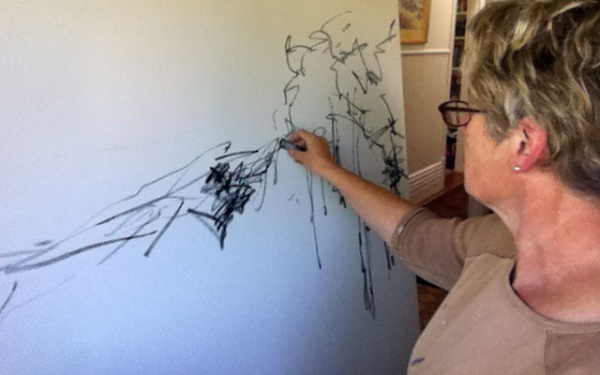
Benefits of Using Loose Sketching Style
Loose sketching style is more than a visual choice. It can also improve your overall drawing skills.
It Helps You Draw More Often
Because the process is fast, it is easier to practice daily. Short sketch sessions are more realistic than long polished sessions for many people.
It Reduces Fear of the Blank Page
I’ve had days when starting felt harder than drawing itself. Loose sketching style helped because the first mark did not need to be perfect.
It Strengthens Your Eye
When you sketch loosely, you train yourself to see proportions, angles, and movement faster. That kind of visual training is valuable in all art forms.
It Supports Better Ideas
Some of my best ideas came from messy pages. Loose sketching style often reveals shapes or poses that a more careful drawing might hide.
It Encourages Experimentation
You can test compositions, poses, and expressions without wasting time. That makes it ideal for brainstorming and visual development.
Common Tools for Loose Sketching Style
The tools you use can influence the feel of the sketch, but they do not control the style by themselves. Loose sketching style works with many materials.
Common choices include:
- Graphite pencils
- Mechanical pencils
- Ballpoint pens
- Felt-tip pens
- Charcoal
- Brush pens
- Digital sketching tablets
Each tool has a different personality:
- Pencils feel softer and easier to erase
- Pens push you to commit
- Charcoal gives rich, expressive marks
- Digital tools offer quick correction and layer control
If you are just starting, a simple pencil and sketchbook are enough. I often recommend that because the fewer tools you worry about, the easier it is to focus on gesture and shape.
How to Practice Loose Sketching Style
If you want to improve loose sketching style, the main goal is to stop overworking your drawings. That is easier said than done, but practice helps.
Start With Timed Sketches
Try 30-second, 1-minute, or 5-minute sketches. Short time limits force you to focus on the essentials.
Draw Big Shapes First
Before adding details, look for the largest forms. This keeps the drawing grounded and prevents it from becoming tangled.
Use Long, Simple Lines
Avoid tiny scratchy marks at the start. Smooth, confident lines often say more with less effort.
Capture Gesture Before Detail
Gesture is the movement or flow of the subject. If you get that right early, the rest of the sketch usually feels stronger.
Repeat the Same Subject
Draw the same object, person, or scene several times. Repetition teaches you what matters most.
Leave Some Lines Untouched
A loose sketch does not need every edge filled in. Leaving open areas helps the drawing breathe.
A practical practice routine might look like this:
- Warm up with quick line exercises
- Draw three 1-minute gesture sketches
- Draw one 5-minute sketch from a photo or live scene
- Review what felt stiff
- Try again with one simple goal, like better proportion or cleaner flow
That kind of routine has helped me more than trying to make one perfect sketch.
Loose Sketching Style in Different Art Forms
Loose sketching style shows up in many fields. It is not limited to one kind of artist.
Figure Drawing
Artists use loose sketching style to study pose, weight, and balance. It helps capture the body as movement, not just anatomy.
Urban Sketching
City scenes often move fast. People walk by, light changes, and buildings sit in layered perspective. Loose sketching style is perfect for that pace.
Fashion Illustration
Fashion sketches often rely on quick lines and attitude. The goal is to suggest fabric, posture, and style with speed.
Concept Art
Concept artists use loose sketching style to explore ideas early. It helps them test characters, environments, and props before refining details.
Illustration and Editorial Work
A loose drawing can feel warm, human, and immediate. That makes it useful for storytelling and editorial visuals.
Mistakes to Avoid in Loose Sketching Style
Loose sketching style looks easy, but many artists fall into the same traps.
Making It Random Instead of Intentional
Loose does not mean careless. Every line should still serve a purpose.
Overusing Scribbles
Too many scratch marks can hide the form. If your sketch gets muddy, step back and simplify.
Skipping Structure Entirely
Some artists try to be loose too early and lose the basic shape. Even a quick sketch needs a small amount of structure.
Chasing Detail Too Soon
If you start with eyelashes, buttons, or textures, the whole drawing can collapse. Build the foundation first.
Being Afraid of “Bad” Lines
A few imperfect marks can actually improve the sketch. I learned this the hard way after years of trying to erase every mistake. Once I stopped doing that, my work looked more natural.
How to Make Loose Sketches Look Strong
A strong loose sketch still has clarity. The trick is to balance freedom with control.
Focus on Proportion
Even a loose sketch needs basic proportion. If the head is too large or the chair is too narrow, the drawing loses believability.
Use Line Weight Wisely
Varying line thickness can create depth and emphasis. Thicker lines can suggest shadow or foreground.
Keep the Gesture Clear
A sketch should feel like it is moving. If the pose looks stiff, revisit the curve and flow of the major forms.
Use Negative Space
Sometimes the empty space around a subject tells you more than the subject itself. This is especially useful in urban sketching and figure drawing.
Stop at the Right Moment
This is one of the hardest skills. A loose sketch often gets worse when overworked, so knowing when to stop is part of the craft.

Loose Sketching Style vs. Detailed Rendering
Loose sketching style and detailed rendering serve different purposes. One is not better than the other.
Loose sketching style is best when you want:
- Speed
- Energy
- Idea generation
- Practice
- Fresh expression
Detailed rendering is best when you want:
- Precision
- Final presentation
- Clean polish
- Texture control
- Realism
In many professional workflows, both are used together. The loose sketch comes first, then the drawing gets refined only if needed.
I often think of loose sketching style as the rough draft of a conversation. Detailed rendering is the edited version. Both matter, but they do different jobs.
Practical Exercises for Loose Sketching Style
If you want better results, try exercises that build your speed and confidence.
Gesture Drawing Practice
Draw people in motion using 30-second or 1-minute poses. Focus on action, not anatomy.
Blind Contour Warm-Up
Look at the subject without looking at your paper too often. This helps your hand loosen up and improves observation.
Shape Reduction Drill
Take a complex object and simplify it into basic forms. A mug becomes a cylinder. A face becomes a few planes and curves.
One-Line Drawing
Try drawing a subject without lifting the pen too much. This builds flow and reduces hesitation.
Fast Scene Studies
Draw a room, street corner, or café scene in 5 minutes. These quick studies help you learn how to edit visual information.
Expert Tips for Better Loose Sketching Style
Here are a few tips I wish I had learned earlier.
- Draw from life when possible, because real subjects teach better shape sense
- Use your shoulder more than your wrist for longer strokes
- Keep a small sketchbook nearby so practice feels easy
- Do not judge the drawing too early
- Review your sketch after finishing and notice what actually works
- Limit erasing so you learn to commit
Professional artists often build loose sketching style through repetition, not talent alone. That is good news. It means progress is practical and learnable.
Frequently Asked Questions of loose sketching style
What is loose sketching style in art?
Loose sketching style is a drawing approach that uses quick, expressive lines and simple shapes. It focuses on energy, gesture, and structure instead of polished detail.
Is loose sketching style good for beginners?
Yes, it is great for beginners because it lowers pressure and builds confidence. It also helps new artists learn to see the big forms before worrying about details.
How do I make my sketch look more loose?
Use faster strokes, simplify shapes, and stop erasing so much. Try timed drawing exercises so your hand learns to move with more freedom.
Can loose sketching style be used for professional work?
Yes, many professionals use loose sketching style for concept art, storyboarding, fashion illustration, and urban sketching. It is especially useful in early idea stages.
Why do my loose sketches look messy instead of expressive?
That usually means the sketch has energy but not enough structure. Start with larger shapes, keep proportions in mind, and avoid adding too many random marks.
Conclusion
Loose sketching style is one of the most useful ways to build skill, speed, and confidence as an artist. It teaches you to see the big picture, trust your marks, and let the drawing breathe instead of forcing perfection.
If you want stronger sketches, start small. Practice gesture, simplify shapes, and give yourself permission to make imperfect lines. The more you use loose sketching style, the more natural and expressive your drawings will become.
Try a few of the exercises above this week, and notice how your hand and eye begin to work together more easily.