
Line quality in drawing is the control, clarity, and character your marks bring to the page.
If you want your drawings to look cleaner, stronger, and more expressive, line quality is one of the first skills to master. It shapes how a sketch feels, how a form reads, and how much confidence your work communicates. I’ve seen artists improve fast once they stop thinking of lines as simple outlines and start treating them like a visual language.
What Line Quality Means in Drawing
Line quality in drawing refers to the visual properties of a line. That includes its thickness, smoothness, pressure, speed, taper, and consistency. A line can feel soft, stiff, shaky, bold, light, sharp, or loose, and each choice changes how the drawing reads.
In simple terms, line quality is not just about making a line. It is about making the right line for the job. A strong contour line can define form, while a thin, broken line can suggest softness, distance, or light.
When I first started drawing, I thought good art meant perfectly clean lines. That was a mistake. The best drafts I saw in sketchbooks often had varied line quality that made the drawings feel alive, not flat.
Why Line Quality Matters in Art
Line quality in drawing affects both the look and the feeling of an artwork. It helps guide the viewer’s eye, create depth, and show emphasis. Good line quality can make a simple sketch feel polished and intentional.
It also helps with communication. If your linework is weak or unclear, the image can look confusing, even if the proportions are correct. On the other hand, clear line quality can make a rough drawing feel confident.
Here’s why it matters so much:
- It adds structure to forms and edges
- It creates visual rhythm and movement
- It shows focus and hierarchy in the image
- It helps separate foreground from background
- It makes drawings feel more expressive and personal
In many art and design fields, line quality is also tied to professionalism. Clean, controlled lines are valued in illustration, architecture, animation, tattoo design, comics, and product sketching.

The Main Elements of Line Quality in Drawing
Line quality has several parts that work together. If you understand them, you can improve much faster.
Line Weight
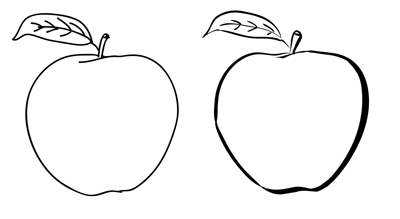
Line weight is how thick or thin a line appears. Thicker lines often suggest closeness, shadow, or emphasis. Thinner lines can feel lighter, softer, or farther away.
A useful rule I learned early is this: use thicker lines where forms overlap or where an object is closer to the viewer. That small choice can make a drawing feel more three dimensional.
Line Smoothness
Smooth lines look clean and steady. They are useful for controlled drawings, especially when clarity matters. But smooth does not always mean stiff.
A line can be smooth and still feel alive if it keeps a natural flow. The goal is control, not perfection.
Line Variation
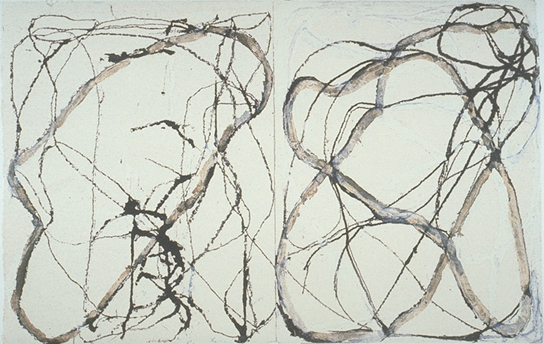
Line variation means changing line weight, speed, or texture within the same drawing. This keeps the image from looking flat or mechanical. It also gives the artist a chance to lead the eye.
For example, in figure drawing, the outer contour may be slightly stronger on the shadow side and lighter on the light side. That subtle shift adds depth without overworking the page.
Line Flow
Line flow is the sense of movement inside a line. Flow makes a line feel like it was drawn with purpose rather than hesitation. It is one of the biggest signs of confidence in drawing.
When I review student work, I often see tiny hesitant strokes where one long stroke would have worked better. Those little stops can interrupt the energy of the whole piece.
Line Texture
Texture comes from the way the line feels visually. Broken, scratchy, jagged, or feathered lines can suggest rough surfaces. Clean, even lines can suggest smooth or hard surfaces.
This is one reason line quality in drawing is so useful. It lets you describe material without needing full shading every time.
How to Improve Line Quality in Drawing
Improving line quality takes practice, but the process is straightforward. You need better control, better observation, and better habits.
1. Draw From the Shoulder
Many artists draw too much from the wrist. That can work for tiny details, but it often creates shaky lines. Using your shoulder gives you more fluid motion and better long strokes.
Try drawing long straight lines with your arm relaxed. You will likely notice the line becomes more confident after a few tries.
2. Slow Down, Then Speed Up
Good line quality is not always about drawing slowly. Sometimes a controlled quick stroke gives a cleaner result than a hesitant one. The trick is to decide your line first, then commit.
I used to “search” for the line while drawing it. That habit made my sketches weak. Once I started placing each stroke with intention, my work improved right away.
3. Practice Ghosting
Ghosting means hovering your hand over the path of the line before you draw it. This helps your brain and arm memorize the motion. It is a simple but very effective habit.
Use it for:
- Straight lines
- Curves
- Ellipses
- Contour lines
- Gesture marks
4. Use the Right Tool
The tool changes the line. A hard graphite pencil behaves differently from a brush pen, fineliner, or digital stylus. Each one affects line quality in its own way.
If you want crisp, even lines, try a fineliner or technical pen. If you want more expressive variation, a brush pen or digital pressure-sensitive brush may suit you better.
5. Do Line Control Drills
Some of the best practice is boring, and that is okay. Repetition builds muscle memory.
Try these drills:
- Straight lines across a page
- C curves and S curves
- Ellipses in different directions
- Contour lines around simple forms
- Line taper exercises
These drills may feel basic, but they build the foundation for stronger drawing.
6. Learn to Lift Cleanly
A line should end on purpose. Many beginners stop mid-motion and leave an awkward tail or bump. A clean lift makes the drawing feel more controlled.
Think of it like finishing a sentence. If you trail off too early, the idea feels incomplete. Lines work the same way.
Common Problems That Hurt Line Quality
Even good artists struggle with line quality when a few habits get in the way. The good news is that most of these issues are easy to fix once you notice them.
Shaky Lines
Shaky lines often come from tension, fear of mistakes, or lack of arm control. They are common in beginners, but they can also show up when an artist rushes.
The fix is usually a mix of relaxation, repetition, and confident motion. Light warm-ups before drawing can help a lot.
Overworking the Line
Redrawing the same line too many times makes it muddy. It can also make the drawing lose energy. I’ve done this myself when I was unsure of a shape, and the result almost always looked weaker.
Try to make one clear mark instead of many uncertain ones. If a correction is needed, make it with purpose.
Too Much Uniformity
If every line has the same thickness and darkness, the drawing can look flat. Real line quality needs variation. Otherwise, the image feels like a tracing instead of a living sketch.
Add changes in pressure, speed, and emphasis to give the work more depth.
Pressing Too Hard
Heavy pressure can damage paper, tire your hand, and limit line variation. It also makes it harder to correct mistakes. A lighter hand usually gives more flexibility.
Many professional drafts are built with light first passes and stronger final accents. That layered approach is often cleaner and smarter.
Ignoring Form
Some artists focus on the line itself and forget the object it describes. But line quality in drawing works best when it supports form, perspective, and anatomy. A beautiful line that ignores structure still leads to a weak drawing.
Line Quality in Different Drawing Styles
Line quality is important in almost every style, but the goal changes depending on the medium and subject.
Figure Drawing
In figure drawing, line quality helps show gesture, anatomy, and weight. Loose, flowing lines can capture movement fast. Stronger contour lines can help define major forms like shoulders, hips, and legs.
A common mistake is making every body part equally sharp. In real drawing, the line should support the pose, not flatten it.
Cartooning and Comics
In comics, line quality helps with readability and style. Bold outlines, varied strokes, and expressive edges can make characters stand out. Good inking often depends on intentional line weight.
This is especially important for action scenes. Strong line quality can make motion feel faster and more dramatic.
Realism
Realistic drawing often uses more subtle line quality. Thin lines, soft edges, and controlled variation help keep the subject believable. In many realistic works, line quality is quiet but still important.
Even if the final piece relies more on shading, the line work underneath still matters. It supports proportions and structure.
Architectural and Product Drawing
These fields depend on accuracy and clarity. Clean, precise lines show shape, scale, and design intent. Line quality in drawing must stay consistent and readable.
When I worked on design sketches, I noticed that line confidence mattered more than fancy detail. A clear line often communicated the idea better than a crowded one.
Digital Drawing
In digital art, line quality depends on brush settings, pen pressure, stabilization, and hand control. Digital tools can help with smoothness, but they can also make lines feel too perfect or robotic.
The best digital line quality still comes from practice, not just software settings. Tools help, but they do not replace good drawing habits.
Benefits of Strong Line Quality
Strong line quality in drawing gives you more than neat pages. It strengthens the whole drawing process.
Here are the main benefits:
- Better clarity in shapes and forms
- Stronger visual appeal
- More expressive drawings
- Improved confidence in mark making
- Easier communication of ideas
- Better control in all art styles
It also helps when you move into shading, rendering, or color work. If your line foundation is weak, later stages usually feel harder. If your lines are solid, everything else becomes easier.

Practical Exercises to Build Better Line Quality
If you want real improvement, practice with a plan. These exercises are simple, but they work.
Exercise 1: Straight Line Pages
Fill a page with straight lines in different directions. Keep your hand loose and your motion deliberate. This helps build control and reduces hesitation.
Exercise 2: Contour Practice
Draw simple objects like cups, boxes, or fruit using contour lines only. Focus on how the line wraps around the form. This teaches you to think in three dimensions.
Exercise 3: Pressure Control
Draw the same shape several times using different pressure levels. Try light, medium, and strong lines. You will start to feel how pressure changes the mood of the drawing.
Exercise 4: One Line, One Decision
Choose a simple subject and try to draw each segment in one stroke. Do not chase the line with tiny corrections. This helps train confidence.
Exercise 5: Timed Gesture Sketches
Set a timer for 30 seconds to 2 minutes and sketch quick poses. This forces you to prioritize flow over perfection. It is a great way to loosen up your line quality.
Professional Tips for Better Line Quality
Over time, I learned that small habits make a big difference. These are the ones that helped most.
- Warm up before serious drawing
- Keep your grip relaxed
- Use your whole arm for long strokes
- Save tiny details for the end
- Rotate the page if needed
- Accept minor imperfections
- Focus on intention, not perfection
One of the best lessons I learned was this: a confident imperfect line often looks better than a corrected perfect one. That idea freed me up a lot. It also made my work look more natural and less stiff.
Line Quality and Visual Storytelling
Line quality in drawing does more than improve technique. It also helps tell a story. A heavy, dark line can feel tense or dramatic. A soft, thin line can feel calm, dreamy, or quiet.
This is why artists use line quality like a storyteller uses tone of voice. The same subject can feel completely different depending on the line treatment. A portrait with sharp edges may feel intense, while the same portrait with light, flowing lines may feel gentle.
That emotional power is one reason line quality matters so much in illustration, animation, and comics. It gives drawings mood without needing words.
Frequently Asked Questions
What is line quality in drawing?
Line quality in drawing is the visual character of a line, including its thickness, smoothness, pressure, and flow. It affects how clear, confident, and expressive a drawing looks.
Why is line quality important for beginners?
It helps beginners build control and communicate shapes more clearly. Even simple drawings look better when the lines feel intentional and steady.
How do I make my lines less shaky?
Use your shoulder for long strokes, relax your grip, and practice ghosting before each mark. Warm-up drills and slow practice also help reduce tension.
Does line quality matter in digital art?
Yes, it matters just as much as in traditional drawing. Digital tools can help, but good line quality still depends on hand control, pressure, and clear decisions.
Can line quality improve my sketching speed?
Yes, because better line quality reduces hesitation and redrawing. When your marks become more confident, you can sketch faster without losing clarity.
Conclusion
Line quality in drawing is one of those skills that quietly changes everything. It improves structure, adds expression, and makes your work feel more confident and readable. Whether you draw portraits, comics, product sketches, or quick studies, strong line quality gives your art a better foundation.
The best part is that you do not need fancy tools to improve. You just need practice, patience, and a willingness to make cleaner, more intentional marks. Start with simple drills, watch your pressure, and pay attention to how each line shapes the whole drawing.
If you want better drawings, begin with better lines. Keep practicing, study how skilled artists handle line weight and flow, and apply one tip from this guide in your next sketch.