
Pocket sketchbooks are small, portable books that let you capture ideas, scenes, and notes anytime, anywhere.
Pocket sketchbooks have become one of the most useful tools for artists, designers, travelers, and everyday note-takers because they make creativity feel easy and immediate. I’ve used them in cafes, on trains, during walks, and even in quick meeting breaks, and that tiny format often removes the pressure that comes with a full-size sketchpad. In this guide, I’ll break down what pocket sketchbooks are, why they matter, how to choose the right one, and how to use them in real life with confidence.

What pocket sketchbooks are
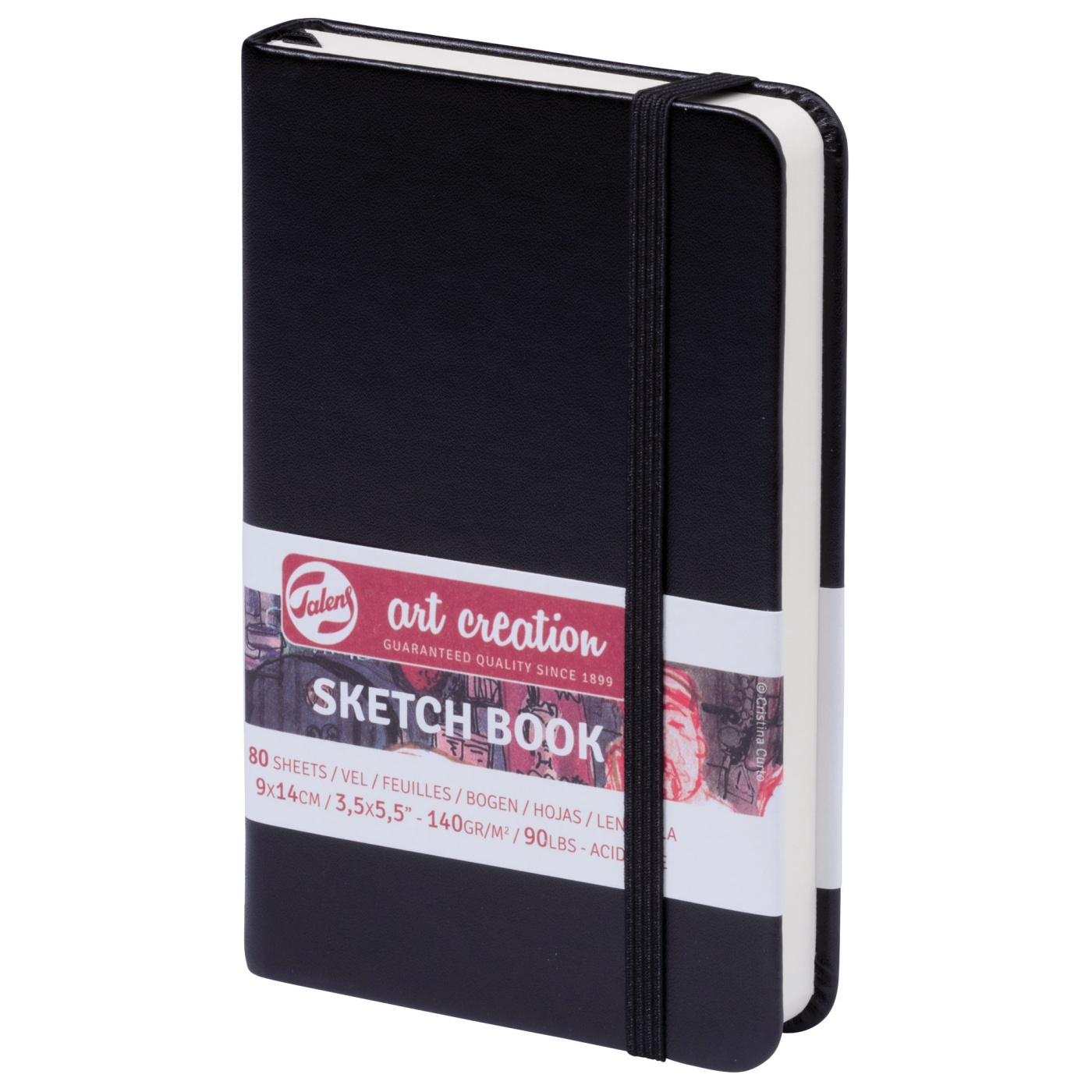
Pocket sketchbooks are compact notebooks made for drawing, writing, and visual thinking on the go. They are usually small enough to fit in a jacket pocket, small bag, or backpack sleeve, which makes them ideal for quick capture moments.
The charm of pocket sketchbooks is simple: they lower the barrier to starting. When a sketchbook is easy to carry, you are more likely to use it. That is one reason many professional illustrators, urban sketchers, and product designers keep one close by.
Pocket sketchbooks are not only for artists. People use them for:
- Quick sketches of places and people
- Idea dumping and brainstorming
- Visual journaling
- Field notes
- Travel memories
- Daily habit tracking
- Thumbnail planning for bigger artwork
From my own experience, the best pocket sketchbook is the one you forget you are carrying until the moment you need it. That ease matters more than most people think.
Why pocket sketchbooks are so useful
Pocket sketchbooks work because they fit real life. Big sketchbooks can feel formal, heavy, or intimidating. A pocket sketchbook feels more like a companion.
Here are the main benefits:
- Portability: You can carry it almost anywhere without effort.
- Speed: Ideas can be recorded before they fade.
- Freedom: Small pages invite loose, playful work.
- Habit building: The easier it is to carry, the more often you use it.
- Lower pressure: Smaller pages can reduce fear of “messing up.”
There is also a creative benefit that is easy to miss. Small pages encourage economy. You learn to simplify shapes, focus on gesture, and make faster decisions. That skill translates beautifully to larger work.
I’ve noticed that when I use pocket sketchbooks regularly, my drawing eye gets sharper. I start seeing edges, shadows, and composition everywhere. It is like training a muscle without needing a full workout room.
How to choose the right pocket sketchbook
The right pocket sketchbook depends on how you plan to use it. A traveler, a pen artist, and a watercolor user will all need different features.
Size and format
Common pocket sketchbook sizes include:
- 3.5 x 5.5 inches
- 4 x 6 inches
- A6 size
- Passport size
- Small square formats
Smaller sizes are easier to carry, but they can feel cramped for detailed work. Slightly larger pocket sketchbooks give more room while still staying portable.
Paper type
Paper quality matters a lot. If you draw with pencil or ballpoint, most paper will work. If you use ink, markers, or light watercolor, look for thicker paper and better bleed resistance.
Things to check:
- Paper weight
- Tooth or texture
– Bleed-through resistance - Ghosting level
- Dry time for ink
A smooth paper works well for fine liners and fountain pens. A textured paper is better for graphite and dry media. For mixed media, choose paper designed for more than one tool.
Binding style
Pocket sketchbooks usually come in these forms:
- Saddle-stitched
- Spiral-bound
- Lay-flat binding
- Sewn binding
- Hardcover or softcover
Lay-flat binding is often the most practical for sketching in public. Spiral binding is useful too, but it can catch on pockets or bags. Sewn binding tends to feel durable and classic.
Cover and durability
If you use your pocket sketchbook every day, choose a strong cover. A hard cover offers more protection. A soft cover is lighter and easier to bend into a pocket.
I once bought a beautiful softcover pocket sketchbook that looked perfect on the shelf but wore out too fast in my bag. Since then, I look at durability first and aesthetics second. A sketchbook that survives real life gets used more.

Best uses for pocket sketchbooks
Pocket sketchbooks can do far more than hold drawings. Their small size makes them useful for many parts of daily life.
For artists
Artists often use pocket sketchbooks for:
- Gesture sketches
- Figure studies
- Composition thumbnails
- Texture practice
- Color notes
- Visual warm-ups
This is where pocket sketchbooks shine. The small page size helps you work fast and trust your instincts.
For travelers
Travelers love pocket sketchbooks because they turn moments into memories. Instead of just taking photos, you can sketch a street corner, a coffee cup, or a building facade.
That simple act often helps you remember the feeling of a place, not just the image of it.
For designers and creative thinkers
Designers use pocket sketchbooks to:
- Map rough product ideas
- Draw UI wireframes
- Capture layout concepts
- Collect visual references
- Note user observations
A pocket sketchbook can be the fastest place to put an idea before a meeting ends or a thought slips away.
For everyday life
Even if you do not identify as an artist, pocket sketchbooks can help with:
- Grocery lists
- Goal planning
- Mindful journaling
- Gratitude notes
- Habit tracking
- Brain dumps
That flexibility is part of the reason pocket sketchbooks stay popular across so many groups.
What to look for in paper quality
Paper quality can make or break your experience with pocket sketchbooks. A notebook that looks great can still disappoint if the paper feathers, bleeds, or buckles.
Here is a simple guide:
- 60 to 80 gsm paper is fine for pencil and light writing
- 90 to 120 gsm works better for ink and general sketching
- 140 gsm and above is better for wet media and light watercolor
If you use fountain pens, test for feathering and bleed-through. If you use markers, look for thicker paper or marker-specific pages. If you want a mixed-media pocket sketchbook, expect a tradeoff between thickness and page count.
From experience, one of the most common mistakes is buying paper based on cover design alone. A lovely cover can hide weak paper. Always think about your medium first.
Pocket sketchbooks for different drawing styles
Different styles of drawing call for different kinds of pocket sketchbooks.
Gesture and life drawing
For quick gestures, choose a book with:
- Open, easy pages
- Medium paper texture
- Enough room for loose marks
Fast sketching works best when the page does not feel precious.
Urban sketching
Urban sketchers often prefer pocket sketchbooks because they are easy to hold in one hand. A sturdy cover and lay-flat binding help a lot when drawing outside.
Helpful features include:
- Water-resistant cover
- Paper that handles ink well
- Pages that do not buckle easily
Ink drawing
For ink work, look for smooth paper with low bleed-through. Fine liners and dip pens benefit from a surface that lets lines stay crisp.
Watercolor notes
Pocket sketchbooks can work for watercolor, but only if the paper is strong enough. Lightweight watercolor can be beautiful in a pocket format, but paper performance matters more than page count here.
How to build a pocket sketchbook habit
The best pocket sketchbooks are the ones you actually use. A good habit matters more than a perfect tool.
Try these steps:
- Keep the sketchbook in the same place every day
- Pair it with a pen you like
- Set a tiny goal, like one sketch or note per day
- Use short sessions, even 2 to 5 minutes
- Carry it during routine trips, not just special outings
A helpful trick is to treat the pocket sketchbook like a camera for your thoughts. You do not need a masterpiece. You just need to catch the moment.
One habit mistake I see often is waiting for the “right time” to sketch. That time rarely shows up. The small, imperfect sketches are usually the ones that build real momentum.
Pocket sketchbooks vs full-size sketchbooks
Both have value, but they serve different needs.
Pocket sketchbooks are best for:
- Speed
- Portability
- Idea capture
- Daily use
- Low-pressure sketching
Full-size sketchbooks are best for:
- Detailed drawings
- Larger compositions
- Finished art
- Mixed-media spread work
A lot of artists use both. The pocket sketchbook becomes the daily field tool, while the larger sketchbook becomes the studio book. That combination works well because each format supports a different stage of creativity.
If you only choose one, ask yourself where you need the most help: starting more often or finishing bigger pieces. Pocket sketchbooks usually win when consistency is the goal.
Common mistakes to avoid
Pocket sketchbooks are simple, but people still make a few classic mistakes.
- Choosing the wrong paper for the medium
- Buying a book that is too small to enjoy
- Keeping it “too nice” and never using it
- Carrying the book without a pen
- Waiting for long, perfect sketch sessions
- Skipping pages after a bad drawing
The biggest mistake is treating the pocket sketchbook like a precious object instead of a working tool. Once you let it collect normal life, it becomes much more valuable.
I’ve ruined more than one sketchbook by trying to make every page look polished. The better approach is to let some pages be messy, some be useful, and some be surprisingly good. That mix is what makes a pocket sketchbook feel alive.
Who should use pocket sketchbooks
Pocket sketchbooks are a great fit for many people, including:
- Students who want a portable note and sketch tool
- Artists who need quick studies
- Travelers who like visual memory keeping
- Designers who think on paper
- Writers who brainstorm visually
- Busy professionals who want a simple idea capture system
They are especially useful for people who like to think with their hands. If you enjoy putting ideas on paper before refining them, pocket sketchbooks are probably a strong fit.
Frequently Asked Questions
What is the best size for a pocket sketchbook?
The best size depends on how you plan to use it. A6 and 3.5 x 5.5 inches are popular because they are easy to carry and still give enough space for quick sketches.
Can pocket sketchbooks handle watercolor?
Some can, but not all. If you want to use watercolor, choose thicker paper made for wet media to reduce buckling and bleed-through.
Are pocket sketchbooks only for artists?
No, they are useful for anyone who wants a portable way to capture ideas, notes, or daily thoughts. Many people use them for journaling, planning, and travel records.
What pen works best with pocket sketchbooks?
It depends on the paper. Ballpoint pens, gel pens, fine liners, and pencils usually work well, but fountain pens and markers should be tested on the paper first.
How do I make myself use a pocket sketchbook more often?
Keep it with you and make the goal very small. Even one quick sketch or note a day can build a lasting habit.
Conclusion
Pocket sketchbooks are small, but they can change the way you observe, plan, and create. They make it easier to start, easier to carry your ideas, and easier to turn daily life into something you can revisit later.
If you choose the right paper, size, and binding, your pocket sketchbook can become a tool you reach for almost without thinking. Start simple, use it often, and let it collect the real shape of your life. If this guide helped, explore a few sketchbook styles, try one for a week, and share your experience with others.