
Travel sketching is the simple practice of drawing what you see while traveling to preserve places, moments, and feelings.
Travel sketching is one of the most rewarding ways to slow down and truly notice a place. As someone who has spent years sketching in airports, cafés, train stations, and busy city squares, I can tell you it is more than art. It is a way to observe better, remember deeper, and turn ordinary moments into something lasting.

What Is Travel Sketching?
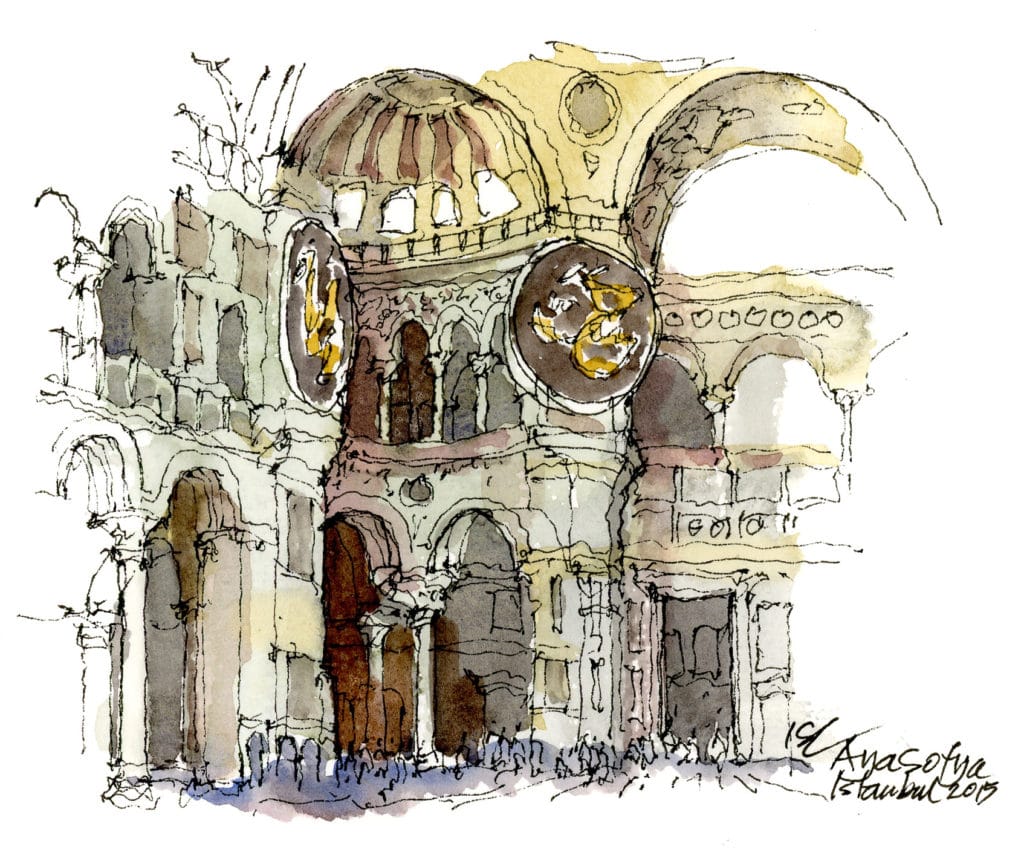
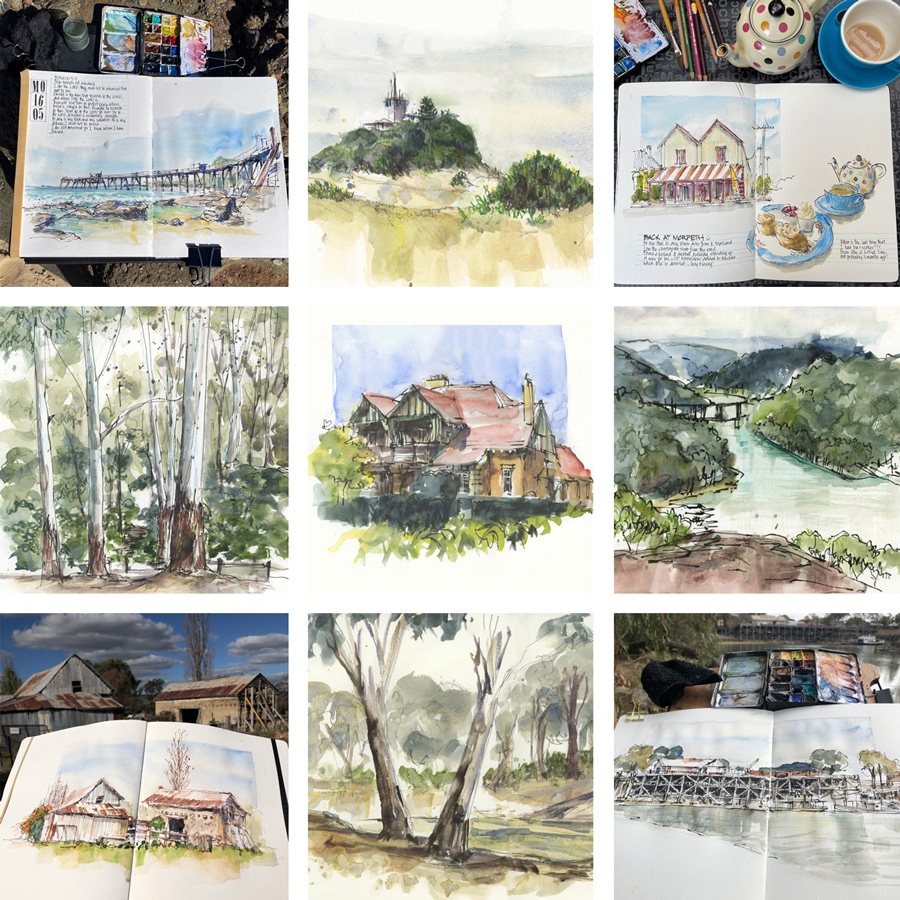
Travel sketching is the act of making quick drawings, notes, or visual journals while on the move. It can be as simple as a pencil outline of a street corner or as detailed as a watercolor spread of a mountain view. The goal is not perfection. The goal is to capture what the place felt like.
Many people think travel sketching is only for trained artists, but that is not true. You can sketch with a pen, pencil, marker, or watercolor brush. What matters most is attention.
Travel sketching often includes:
• Urban scenes like markets, cafés, and buildings
• Nature views like beaches, cliffs, and forests
• Small details like signs, food, hands, shoes, and tickets
• Written notes about sounds, smells, weather, and people
In my own travel journals, the pages with the most meaning are rarely the prettiest. They are the pages with messy café tables, a crooked tower, or a train window with notes scribbled in the margin. That is the beauty of travel sketching: it keeps memory alive in a personal way that photos alone often cannot.

Why Travel Sketching Matters
Travel sketching does something a camera cannot always do. It forces you to slow down and really look. When you sketch, you notice shadows, textures, shapes, and tiny details that would otherwise slip past you.
It also helps you remember more clearly. Research on drawing and memory suggests that active observation and hand movement can strengthen recall. In plain terms, when you draw what you see, your brain has to work harder, and that can help the moment stick.
Some of the biggest benefits of travel sketching include:
• Stronger memories of your trip
• A deeper sense of place
• Less screen time during travel
• A more personal travel record
• A calming, mindful break from busy sightseeing
I have often found that sketching in a noisy place, like a market or train platform, helps me feel more grounded. Instead of rushing through the day, I begin to notice the rhythm of the place. That is one reason travel sketching feels so satisfying. It turns travel into an experience, not just a checklist.
The Best Supplies for Travel Sketching
You do not need a huge kit to start travel sketching. In fact, a smaller kit usually works better. Too many tools can make you overthink, and travel is already full of enough moving parts.
A simple travel sketching kit may include:
• A small sketchbook
• A pencil or mechanical pencil
• A waterproof fineliner pen
• A water brush or travel brush
• A small watercolor set
• A travel eraser
• A cloth or tissue for cleanup
• A binder clip to hold pages in place on windy days
If you want to keep things light, start with just a pen and a small notebook. I have done many full travel sketching sessions with only those two items. When I was younger, I used to carry too many colors and tools. Most of them never left my bag.
Choose tools that match your style:
• Pencils are great for soft, flexible lines
• Pens are good for clean, confident sketches
• Watercolors add mood and light
• Colored pencils are easy to pack and control
• Brush pens are useful for loose, fast sketches
The best tools are the ones you will actually use. A tiny kit you carry is always better than a perfect kit you leave at the hotel.
How to Start Travel Sketching as a Beginner
Starting travel sketching can feel intimidating, especially if you think you “can’t draw.” But travel sketching is not about creating gallery-level work. It is about learning to observe and record.
A simple beginner process looks like this:
-
Pick one object or scene
Start small. A coffee cup, a door, a bicycle, or a street sign is enough.
-
Look at the big shapes first
Do not chase details right away. Block in the main forms.
-
Keep your lines light and loose
You do not need perfect perspective. A sketch can still feel alive even when it is rough.
-
Add details only where needed
Focus on what makes the scene unique. Maybe it is the awning, the window frame, or the shadow pattern.
-
Finish with notes if you want
Write the time, place, weather, or a short memory.
One mistake I made early on was trying to sketch everything in a scene. That usually led to frustration and stiff drawings. Once I began choosing just one focal point, my travel sketching became easier and much more enjoyable.
Travel Sketching Techniques That Actually Work
Good travel sketching is often about speed, simplicity, and confidence. You are usually working in real places with real distractions, so simple techniques help a lot.
Here are a few useful methods:
• Contour sketching: Draw the outline of an object without looking at the page too much
• Gesture sketching: Capture motion and energy fast, useful for people and street scenes
• Thumbnail sketching: Make tiny planning sketches before a larger page
• Value blocking: Use light and dark areas to suggest depth
• Layered sketching: Start with light lines, then add darker details later
A helpful habit is to sketch the shape first, then the structure, then the detail. Think of it like building a house. You would not start with the curtains before the walls.
Another useful trick is to work in timed bursts. Try 5-minute, 10-minute, or 15-minute sketches. Time limits reduce pressure and help you focus on what matters most.
How to Sketch Different Travel Subjects
Travel sketching can cover almost anything, but some subjects are easier than others once you know the approach.
Buildings and city scenes
Start with simple shapes. Look for angles, windows, roofs, and repeating patterns. Use vertical and horizontal lines carefully, and do not worry if the perspective is not perfect. City scenes often feel stronger when they capture mood, not precision.
People and crowds
People move fast, so keep it loose. Focus on posture, silhouette, and action. A seated traveler, a vendor behind a table, or someone walking with a bag can be sketched in seconds.
Landscapes and nature
For landscapes, begin with the horizon and large forms. Mountains, trees, and water work well when broken into simple layers. Add a few small details, but let the open space breathe.
Food and café scenes
Food is a favorite subject in travel sketching because it is personal and local. A plate of noodles, a pastry, or a cup of tea can become a memory anchor. I have often found that sketching a meal helps me notice the place more deeply than just taking a photo.
Transportation scenes
Trains, buses, bicycles, tuk-tuks, and airport chairs all make great subjects. These scenes often carry a strong sense of movement and place. They also work well for fast sketches.
Travel Sketching and Mindfulness
One of the most underrated parts of travel sketching is how calming it feels. It pulls you into the present moment. Instead of thinking about the next stop, you begin noticing the light on a wall or the curve of a stair rail.
This is why many travelers use sketching as a mindful practice. It can reduce stress and create a sense of stillness during an otherwise busy trip. Even a short sketch session can feel like taking a deep breath.
If your travel days feel crowded or rushed, try this:
• Sit for 10 minutes in one place
• Pick one object or view
• Sketch without judging the result
• Add one sentence about how you feel
That small routine can turn a chaotic travel day into a memorable one. Travel sketching is not only about what you see. It is also about how you feel while seeing it.
Common Mistakes to Avoid in Travel Sketching
Like any skill, travel sketching gets better with practice. Still, a few common mistakes can slow people down.
Here are the biggest ones I have seen, both in my own work and with other sketchers:
• Overpacking supplies: Too many tools can make sketching harder, not easier
• Chasing perfection: A slightly rough sketch often has more life than a polished one
• Starting too late: If you wait for the perfect moment, you may miss the scene
• Ignoring simple shapes: Strong sketches often begin with basic forms
• Skipping practice at home: A little practice before a trip makes travel sketching much easier
• Fearing mistakes: Smudges and crooked lines are part of the charm
I still remember one trip where I spent so long trying to make a skyline look “correct” that I missed the sunset light changing completely. Since then, I have learned to sketch faster and trust the feeling of the moment. That lesson changed my travel sketching more than any fancy pen ever did.
How to Build a Travel Sketching Habit
The best way to improve at travel sketching is to make it a habit, not a special event. Small, repeated practice will do more for you than one big effort every few months.
Try these tips:
• Sketch one thing every travel day
• Keep your sketchbook in an easy-to-grab pocket
• Set a daily reminder for 10 minutes
• Make tiny sketches if time is short
• Review your pages at the end of the day
• Write one sentence beside each sketch
A travel sketching habit works best when it feels easy. If it becomes a chore, it can drain the joy. Keep it light, playful, and flexible.
Travel Sketching for Journaling and Storytelling
Travel sketching becomes even more powerful when you combine it with writing. Together, sketches and notes tell a fuller story. A drawing of a street corner, plus a note about the smell of grilled food nearby, becomes a vivid memory.
You can use travel sketching in a visual journal to record:
• Places you visited
• Foods you tried
• Conversations you had
• Weather and time of day
• Small moments that photos miss
This is one reason sketchbooks often feel more intimate than photo albums. They show not only where you went, but how you experienced it. That makes travel sketching especially meaningful for long trips, solo travel, and family journeys.
SEO and Practical Travel Sketching Tips for Better Results
If you want your travel sketching to improve faster, focus on a few core habits. These simple choices can raise both quality and enjoyment.
Try this:
• Use bold shapes first
• Limit your color palette
• Sketch from life when possible
• Practice fast observation
• Leave some blank space on the page
• Label locations and dates
• Carry a lightweight kit
These are small habits, but they make a big difference. Travel sketching works best when you stay relaxed and responsive to the moment. Think of it like cooking with local ingredients instead of following a strict recipe.
Frequently Asked Questions of travel sketching
What is the purpose of travel sketching?
Travel sketching helps you record places, moments, and feelings in a personal way. It also improves observation and gives you a slower, more mindful travel experience.
Do I need to be good at drawing to start travel sketching?
No, you do not need advanced art skills. Travel sketching is about noticing and documenting, not making perfect artwork.
What is the best sketchbook for travel sketching?
A small, durable sketchbook that fits in your bag is usually best. Look for paper that matches your media, such as pencil, pen, or light watercolor.
How long should a travel sketch take?
A travel sketch can take 2 minutes or 2 hours. Many of the best travel sketching pages are fast studies that focus on shape, mood, and key details.
Can travel sketching replace photography?
It can complement photography, but it does not replace it for most people. Travel sketching captures personal interpretation and emotion, while photos capture exact visual detail.
What should I sketch first when traveling?
Start with simple subjects like a coffee cup, a doorway, a chair, or a street corner. These are easier to manage and help you build confidence quickly.
Conclusion
Travel sketching is a beautiful way to see more, remember more, and feel more connected to the places you visit. It does not require perfect art skills or expensive tools. It only asks for your attention, a little time, and the willingness to begin.
If you make travel sketching part of your next trip, you may be surprised by how much richer the experience feels. Start small, stay loose, and let the page capture the journey in your own voice. If this guide helped you, try a sketch on your next outing, explore more travel journaling ideas, and share your experience with others.