
Wax based colored pencils are smooth, blendable drawing tools made with wax binders and rich pigments.
Wax based colored pencils have been my go-to for quick sketches, layered shading, and vivid color work because they feel easy to control and give a soft, familiar finish. If you want to understand how wax based colored pencils work, where they shine, where they struggle, and how to get better results with them, this guide will walk you through everything in a simple, practical way.

What Are Wax Based Colored Pencils?
Wax based colored pencils are colored pencils that use wax as the main binder holding the pigment together. That wax gives them their smooth glide, creamy feel, and strong color payoff. They are one of the most common colored pencil types, and many beginners start with them because they feel friendly right away.
In practical use, wax based colored pencils are known for easy layering and rich color. I’ve often found them easier to pick up than harder pencils because they leave color on paper with very little pressure. That can be a big help when you are trying to build confidence fast.
Here are the traits people usually notice first:
- Soft texture that glides on paper
- Bright, saturated color
- Easy layering for shading and blending
- Less pressure needed than harder pencils
- Wide availability in student and artist grades

How Wax Based Colored Pencils Work
Wax based colored pencils work by combining pigment, wax, and sometimes filler or binder additives into a pencil core. When you apply them to paper, the wax helps the pigment stick and creates a smooth mark. That is why they often feel creamier than oil based colored pencils.
The wax binder also affects how the pencil behaves over time. If you layer too many heavy coats, the wax can build up on the paper surface. This is often called wax bloom, which looks like a faint cloudy film after the artwork sits for a while.
A simple way to think about it is this:
- Pigment gives the color
- Wax carries the pigment
- Paper texture holds the layers
- Pressure changes how strong the color looks
In my own work, I learned early that wax based colored pencils respond best when you build color slowly. If I pressed too hard too soon, the surface would get slick and stop accepting more layers. A lighter hand usually gives better results.
Why Artists Choose Wax Based Colored Pencils
Wax based colored pencils are popular because they make color work feel approachable. They are easy to blend, simple to layer, and usually more affordable than some specialty pencil lines. For many artists, they offer the best balance of control and comfort.
They also work well for many kinds of art, from portraits to school projects to coloring books. The smooth application makes them especially useful when you want soft transitions or vibrant fills. I’ve used them for both detailed drawing and fast color blocking, and they can handle both fairly well.
Common reasons artists choose them include:
- Strong color saturation
- Smooth application
- Beginner friendly feel
- Good value in many sets
- Excellent for layering and burnishing

Wax Based Colored Pencils vs Oil Based Colored Pencils
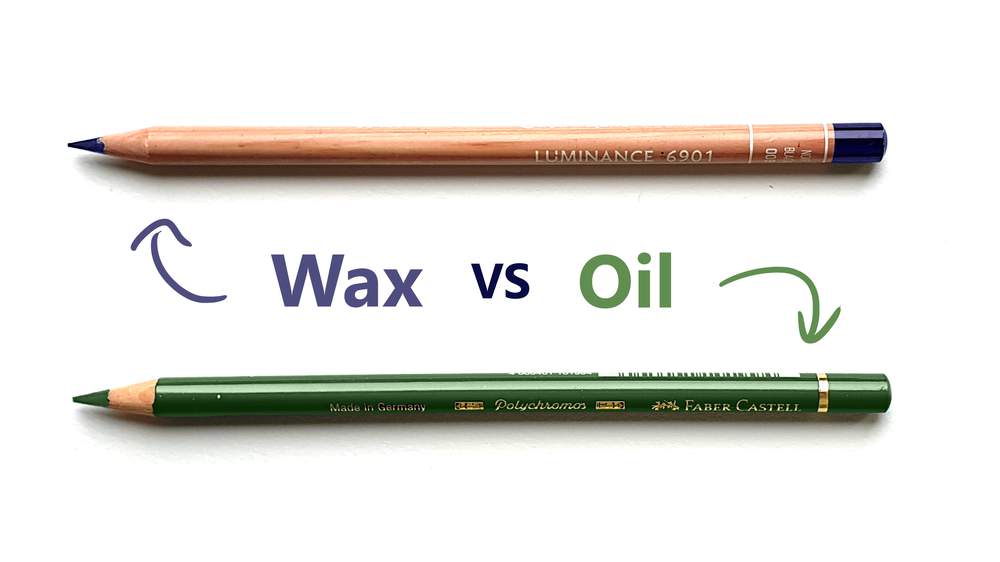
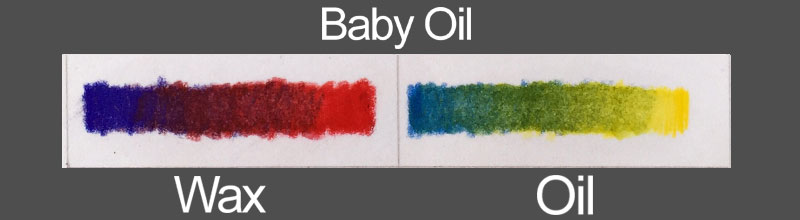
Wax based colored pencils and oil based colored pencils look similar, but they behave differently. Wax based pencils usually feel softer and creamier, while oil based pencils often feel firmer and more precise. Both are useful, but the best choice depends on your style.
If you like quick color coverage and soft blending, wax based colored pencils may suit you better. If you prefer sharper details and a less waxy surface, oil based pencils may feel better for long sessions. Many artists use both in different projects.
Here is a simple comparison:
- Wax based colored pencils: smoother, softer, richer laydown
- Oil based colored pencils: firmer, cleaner edges, less wax buildup
- Wax based colored pencils: often easier for beginners
- Oil based colored pencils: often preferred for fine detail work
From experience, wax based colored pencils are the ones I reach for when I want a warm, painterly look. Oil based pencils are better when I need crisp structure. Think of wax based as a soft brush and oil based as a fine pen.

Best Paper for Wax Based Colored Pencils
Paper choice matters a lot with wax based colored pencils. Smooth paper can help with detail, while slightly toothy paper holds more layers. If the paper is too rough, you may need more effort to fill the surface. If it is too smooth, the pencil may not grip well enough.
For most users, a medium tooth paper works very well. It gives the wax binder enough texture to cling to while still allowing blending. Heavier paper is also helpful if you plan to layer a lot or use burnishing.
Good paper traits to look for:
- Medium tooth for balanced layering
- Heavy weight to reduce buckling
- Acid free for longevity
- Smooth enough for detail, but not slippery
- Durable surface for blending and erasing
I once tried wax based colored pencils on very light notebook paper, and the results were frustrating. The paper pilled fast and could not hold layers. Since then, I always recommend testing on proper drawing paper first.
Techniques That Work Well With Wax Based Colored Pencils
Wax based colored pencils respond well to a few core techniques. These methods help you get richer color, smoother blends, and cleaner control. The key is to work in layers and let the pencil build gradually.
Useful techniques include:
- Layering: apply multiple light layers to deepen color
- Burnishing: press harder near the end to smooth the surface
- Blending: use a colorless blender or similar pencil to soften edges
- Hatching and cross hatching: useful for texture and shading
- Burnt edge control: use lighter pressure to avoid wax overload
A simple workflow I often use is:
- Start with a light sketch.
- Add a base layer using soft pressure.
- Deepen shadows with gradual layering.
- Blend where needed.
- Finish with stronger highlights and edges.
This method saves the paper from getting clogged too early. It also keeps wax based colored pencils looking fresh instead of muddy.

Common Problems With Wax Based Colored Pencils
Wax based colored pencils are great, but they do have limits. One of the most common issues is wax bloom, which can appear after the drawing is finished. Another issue is that the surface can get slick, making it hard to add more layers.
Some artists also notice that the pencils can break if stored badly or used with too much pressure. Cheaper sets may feel chalky or weak because they use less pigment and more filler. That is one reason quality matters so much.
Common problems include:
- Wax bloom on finished artwork
- Limited layering after heavy pressure
- Breakage from dropping or rough sharpening
- Uneven color in low quality sets
- Smudging if the surface is not protected
To reduce these issues, I keep my pressure light in the early layers and avoid overworking one area. I also store my pencils in a case, because a lot of damage happens from simple desk chaos.

How to Prevent Wax Bloom
Wax bloom is a natural side effect of wax based colored pencils. It happens when excess wax rises to the top of the drawing over time. The good news is that it does not usually damage the art, and it can often be managed.
Ways to reduce wax bloom:
- Use lighter pressure during layering
- Avoid overburnishing too early
- Let the artwork rest before final sealing
- Wipe the surface gently if bloom appears
- Use a fixative made for colored pencil work
In my experience, bloom shows up more often in heavy, highly layered pieces. A good fixative or gentle polishing with a soft cloth can help. If you are doing artwork for sale or display, testing your chosen method on a sample piece is smart.
Best Uses for Wax Based Colored Pencils
Wax based colored pencils are versatile and fit many art styles. They are especially good when you want vivid color, smooth gradients, or a soft finish. They are also a favorite for hobby art because they are simple to use and easy to enjoy.
They work well for:
- Adult coloring books
- Illustration
- Portrait practice
- Floral drawings
- Nature sketches
- Concept art studies
- School art projects
I have found them especially useful in coloring book work because they can fill spaces quickly without much hand fatigue. They also make skin tones and soft pet fur look natural when layered carefully. If you like art that feels gentle and expressive, wax based colored pencils are a strong choice.
How to Choose the Right Wax Based Colored Pencils
Not all wax based colored pencils are the same. Some are made for beginners, while others are built for professional artists. The right set depends on your goals, budget, and how much detail you want.
When choosing a set, look at:
- Pigment strength
- Smoothness of application
- Blendability
- Lightfastness ratings
- Pencil core durability
- Price per pencil or per set
If you care about artwork lasting over time, lightfastness matters a lot. It tells you how well the color resists fading under light exposure. For serious work, I always suggest checking those ratings before buying.
A few quick buying tips:
- Beginners should start with a mid range set
- Artists doing display work should prioritize lightfastness
- Coloring book users can focus more on smoothness and color range
- People who layer a lot should choose stronger cores
Care, Storage, and Sharpening Tips
Wax based colored pencils last longer when you treat them well. Good storage keeps the cores safe, and proper sharpening prevents waste. I have ruined more pencil tips than I’d like to admit by rushing the sharpening stage, so this part really matters.
Helpful care tips:
- Store pencils in a case or box
- Keep them away from heat
- Sharpen slowly to avoid core breakage
- Rotate the pencil while sharpening
- Wipe the tips if wax dust builds up
Use a quality sharpener made for art pencils. A dull or cheap sharpener can split the wood and snap the core. If you travel with your art supplies, a hard case is worth it because wax based colored pencils can crack from impact.
Wax Based Colored Pencils in Professional Art
Wax based colored pencils are not just for hobby work. Many professional illustrators use them for client pieces, mixed media art, and layered portrait work. With good paper, strong technique, and quality pigment, they can create very polished results.
In professional settings, artists often combine them with:
- Graphite for underdrawing
- Ink for line art
- Solvent blending for softer transitions
- Pastel for mixed media depth
- White gel pens for highlights
I’ve seen wax based colored pencils produce beautiful results when paired with good planning. The biggest difference between casual and professional use is control. Pros know when to stop layering and when to let the paper texture do some of the work.
Frequently Asked Questions of wax based colored pencils
What makes wax based colored pencils different from regular colored pencils?
Wax based colored pencils are a type of colored pencil that uses wax as the main binder. That gives them a softer feel and smoother color laydown than many harder pencils.
Are wax based colored pencils good for beginners?
Yes, they are often a great choice for beginners because they are easy to use and forgiving. Their smooth application makes it simple to learn layering and blending.
Do wax based colored pencils smudge easily?
They can smudge more than harder pencils, especially if the paper is not protected. Letting the artwork set and using a fixative can help reduce this.
What is wax bloom, and should I worry about it?
Wax bloom is a cloudy film that can appear on heavily layered artwork over time. It is normal and usually easy to manage with gentle cleaning or a suitable fixative.
Can you use wax based colored pencils on canvas or wood?
Yes, but results depend on the surface preparation. You usually need a primed or specially coated surface so the pencil can grip properly.
How do I make wax based colored pencils look smoother?
Use light layers, blend gradually, and choose paper with a balanced tooth. Smooth results usually come from patience, not heavy pressure.
Conclusion
Wax based colored pencils are a smart choice for artists who want rich color, easy blending, and a smooth drawing feel. They work well for beginners and experienced artists alike, as long as you use the right paper, good layering habits, and a bit of patience.
If you remember one thing, let it be this: wax based colored pencils give their best results when you build color slowly and protect the surface from overworking. Try a few techniques, test different paper types, and notice how much more control you gain with practice. If this guide helped you, keep exploring pencil art, try a new set, or share your own wax based colored pencils experience in the comments.