Art practice for kids works best when it is fun, regular, and suited to their age. Short drawing sessions, painting, coloring, collage, and creative play help children explore ideas and build useful art skills without pressure.
Across the United States, parents, teachers, and caregivers can help children enjoy art through simple activities at home, in classrooms, and at community centers. A child does not need an expensive art room or special lessons to get started. A small table, paper, crayons, and time to explore can create a good start. The goal is to make art a normal part of childhood, not another task that feels like schoolwork.
Good art practice gives children room to make choices. They can draw a family pet, paint a favorite place, build shapes with clay, or turn old boxes into a new creation. Some days, a child may want to learn how to draw a tree. On other days, the child may want to cover a page with bright colors. Both forms of practice have value. The National Core Arts Standards support exploration, experimentation, and the growth of art skills across school grades.
Source: artsyblossom.com
What Does Art Practice Mean for Kids?
Art practice means making art often enough to explore ideas and improve skills. It can include drawing, painting, coloring, cutting, folding, printing, and building. Children do not need to finish a perfect picture each time. The act of trying, changing, and making something new is part of the learning.
There are two useful ways to approach art. Skill practice gives children a chance to work on a clear task, such as drawing circles or mixing colors. Open-ended art lets them choose what to make and how to make it. A good routine uses both. Children need chances to learn simple methods and freedom to use those methods in their own way.
The National Association for the Education of Young Children describes process-focused art as an activity with no fixed sample or single correct result. Children explore tools and materials while making their own choices. This can give them chances to plan, solve small problems, talk about ideas, and use their hands in new ways. These are learning chances, not guaranteed results from every art session. citeturn897676view0turn897676view2
Source: teacherspayteachers.com
Creative thinking
Children can turn simple ideas into pictures, models, and other works. They learn that one idea can have many possible results.
Hand control
Drawing, painting, folding, and gluing give children chances to use their fingers and hands with care.
Visual awareness
Children notice lines, shapes, colors, sizes, patterns, and the way objects fit together.
Self-expression
Art gives children another way to share thoughts, interests, stories, and feelings.
Process Art and Skill-Based Art
Process art puts the experience first. A child may use a sponge, brush, or finger to make marks on paper. There is no need for every child to create the same result. Skill-based art has a clear focus, such as learning to draw a round shape or use light and dark colors.
Neither approach needs to replace the other. A child can practice drawing shapes one day and make a free painting the next. This mix keeps learning active while leaving room for personal ideas.
Use process art
Offer blank paper, clay, paint, and simple tools. Let the child decide what to make.
Use skill practice
Choose one small goal, such as drawing five kinds of lines or making three shades of one color.
How to Build a Simple Art Practice Routine
A useful art routine does not need long sessions. Start with about 10 to 15 minutes at a time. Offer two or three sessions each week and see how the child responds. Some children will want more time. Others may prefer a short activity before moving on to play.
Choose a regular time that fits family life. After school, before dinner, or during a quiet weekend morning may work well. Keep the supplies easy to reach. A child is more likely to start when paper and crayons are ready instead of hidden in several boxes.
Give each session a simple plan. Begin with a small idea, let the child work, and leave a little time to talk about the result. Do not force the child to finish. If interest fades, save the work and return to it later. A routine should support creativity, not take away the joy of making things.
Source: naturaltherapypages.com.au
Step 1: Pick one activity
Choose drawing, painting, collage, or another task. Avoid putting too many supplies on the table at once.
Step 2: Prepare the space
Cover the work area, place paper within reach, and set out safe tools. Keep water and cleaning cloths nearby when needed.
Step 3: Give a simple prompt
Try a subject such as a favorite animal, a dream house, or a place the child enjoys visiting.
Step 4: Let the child work
Offer help when asked. Avoid taking over or changing the child’s ideas.
Step 5: Review the experience
Ask what the child enjoyed, what was hard, and what they might try next time.
An Easy Weekly Art Schedule
A simple weekly plan can make art feel easy to follow. Use it as a starting point, not a strict rule. Change the activities when a child shows a new interest.
Monday: Drawing
Practice lines, circles, faces, animals, or simple objects.
Wednesday: Color and painting
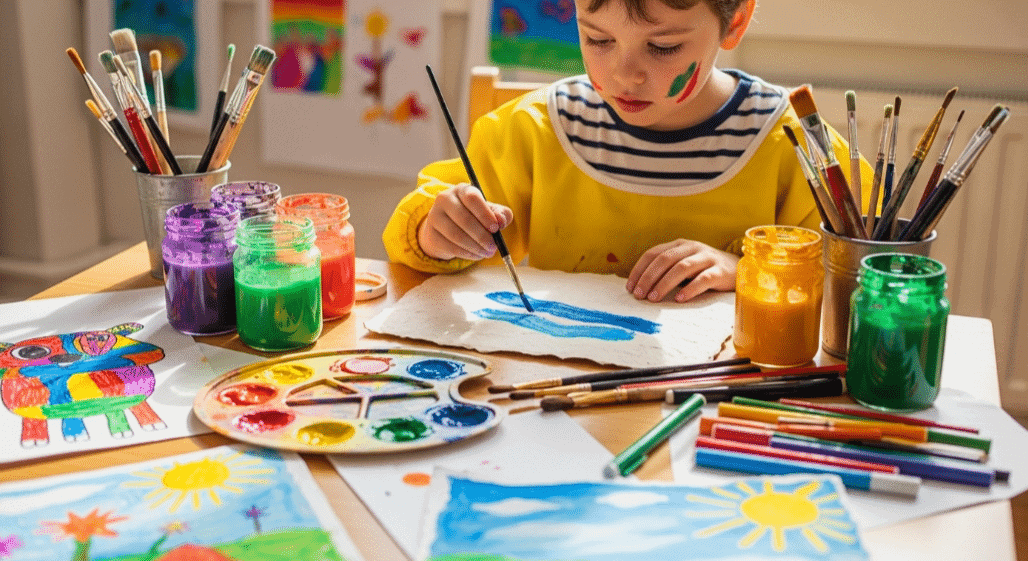
Explore color mixing, watercolor, brush marks, or sponge painting.
Friday: Creative building
Use paper, cardboard, clay, or recycled materials to make something new.
Weekend: Free art
Let the child choose a subject and medium without a fixed result.
Signs That the Routine Is Working
A good routine should feel manageable. Children may start asking for art time, try new tools, or return to an unfinished picture. They may also begin to explain their choices. These signs can show that the activity is interesting and useful to them. If a child feels tired or upset, shorten the session or change the task.
Interest
The child shows curiosity about the next activity.
Experimentation
The child tries new colors, shapes, or ways to use a tool.
Growing confidence
The child is more willing to begin a picture or solve a small art problem.
Choose Art Activities That Match a Child’s Age
Children need different art tools and tasks as they grow. A toddler may enjoy large marks and bright colors. An older child may want to draw from real objects or make a detailed comic. These age groups are broad guides. Interest, hand control, and personal readiness matter more than a birthday alone.
Start with simple materials. Add more complex tools when the child can use them with care. Give younger children larger paper and easy-to-hold tools. Older children can explore finer details, more steps, and new ways to plan a project.
The National Core Arts Standards show this growth across school grades. Early learners explore and play with materials. Later grades add more personal ideas, experiments, and practice with different art methods. This supports a gradual approach instead of expecting young children to master advanced drawing skills too soon. citeturn897676view3turn937882view2
Source: worksheetsfree.org
Ages 2 to 3
Offer large sheets of paper, chunky washable crayons, water painting, and large pieces of paper for simple collage work. Stay close and keep small objects out of reach.
Ages 4 to 5
Try basic shapes, finger painting, simple clay forms, sponge printing, and large-piece collage projects. Let children talk about what they make.
Ages 6 to 8
Add drawing from real objects, color mixing, pattern work, simple comics, and basic paper construction. Encourage children to plan a picture before starting.
Ages 9 to 12
Explore sketchbooks, shading, simple perspective, landscape drawing, mixed media, and longer projects. Let children choose subjects that match their interests.
How to Adjust an Activity for Different Skill Levels
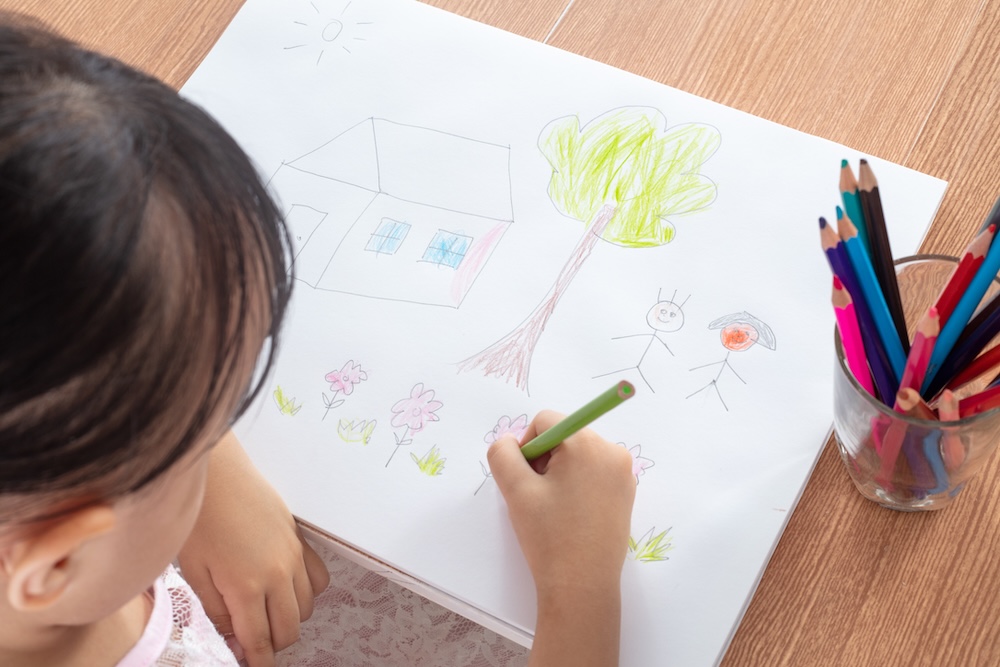
One activity can work for several ages when you change the tools or the goal. For example, all children can draw a tree. A young child may use large circles and lines. An older child may add bark, leaves, shadows, and the space around the tree.
Do not make every child follow the same steps. Let each child work at a level that feels useful. A simple task can become more complex as the child gains interest and control.
Make it easier
Use larger paper, thicker crayons, fewer steps, and clear examples of basic shapes.
Make it harder
Add more details, new tools, color limits, or a request to draw from observation.
Simple Art Practice Ideas for Kids at Home
Children can practice art with items found in many homes. Paper, crayons, old boxes, safe glue, and washable paint offer many ways to create. You do not need a new project for every session. A familiar activity can feel fresh when the child changes the subject or tool.
Try to offer a mix of drawing, painting, building, and hands-on work. This gives children a chance to explore different materials. It also helps them learn that art is more than making pictures with a pencil.
Source: today.com
1. Draw a line picture
Ask the child to fill a page with straight, curved, wavy, zigzag, and broken lines. Turn some lines into animals, roads, or imaginary shapes.
2. Make a color chart
Use crayons or paint to explore how colors look beside each other. If the materials allow it, mix two colors and record the new shade.
3. Draw from real life
Place a fruit, toy, cup, or leaf on the table. Ask the child to notice its shape, size, and main details before drawing.
4. Create a paper collage
Cut or tear suitable paper into different shapes. Arrange the pieces to make a person, place, animal, or abstract design.
5. Explore texture
Use crayons to make safe rubbings from suitable textured surfaces. Compare rough, smooth, and bumpy patterns.
6. Paint with new tools
Try sponges, large brushes, or child-safe rollers. Compare the marks each tool makes.
7. Make a clay model
Use age-appropriate modeling clay or dough to form balls, coils, simple animals, and small objects.
8. Design a comic strip
Draw three or four boxes. Let the child create a short story with characters, actions, and simple speech.
9. Make nature art
Collect safe leaves or fallen plant material with adult help. Arrange the pieces into a picture or use them as drawing subjects.
10. Redesign an everyday object
Ask the child to imagine a new look for a chair, shoe, car, or house. Add unusual colors, shapes, and patterns.
A Simple Drawing Exercise
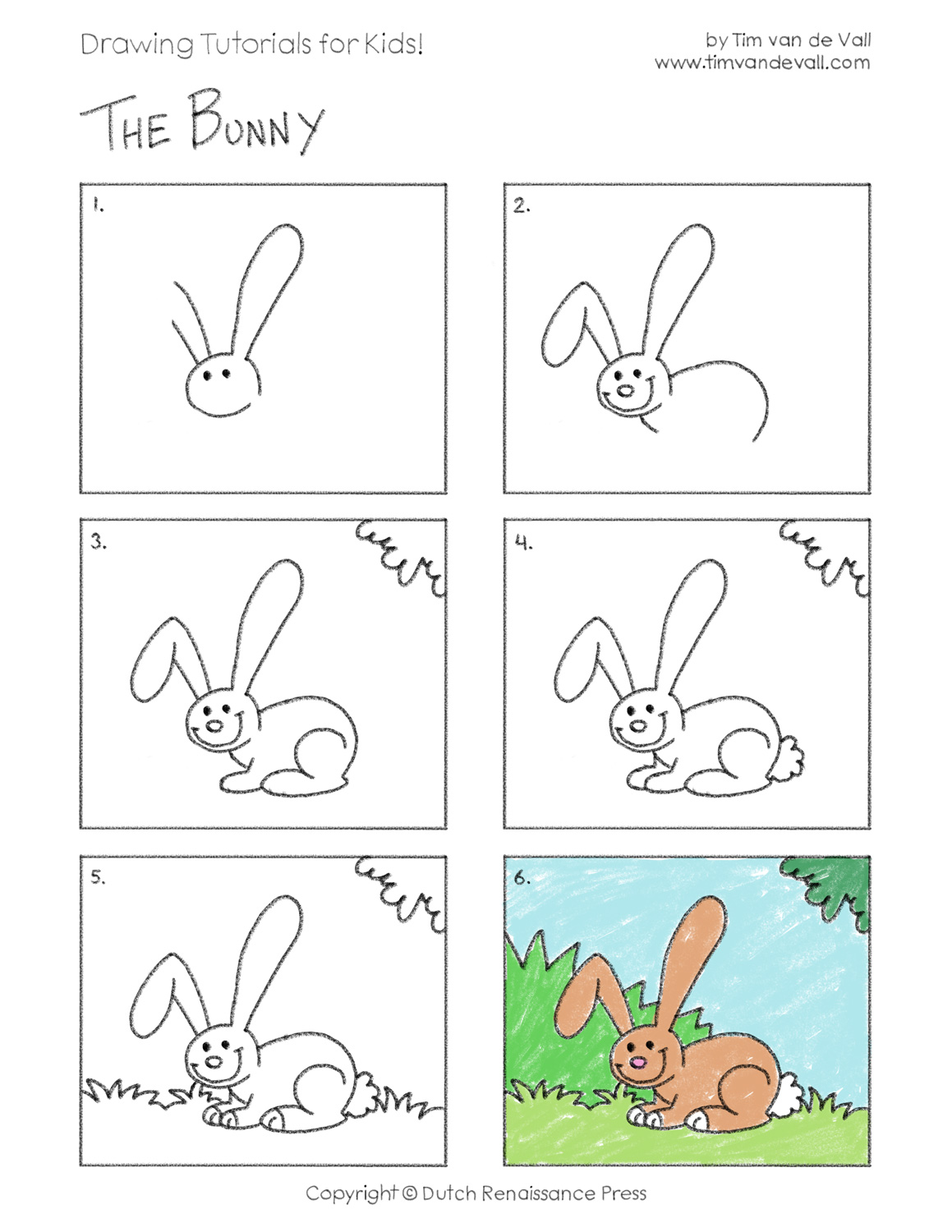
Drawing is a useful place to start because it needs few supplies. Give the child a pencil, eraser, and sheet of paper. Choose one simple object and ask the child to look at it for a moment before drawing.
Start with the largest shapes. Add smaller parts after the main form is on the page. If the result looks different from the object, ask what the child noticed while drawing. The goal is to build observation, not copy every detail.
First attempt
Draw the object in one or two minutes using basic shapes.
Second attempt
Look again and add two details that were missed.
Final reflection
Ask which version the child likes and what they might try next time.
Help Kids Build Drawing and Painting Skills
Children improve when they have time to try the same skill in different ways. Start with one basic idea at a time. For drawing, this may be lines, shapes, or simple objects. For painting, it may be brush control, color mixing, or different ways to make marks.
Do not rush from one skill to the next. Give children room to repeat an activity if they enjoy it. Repetition can help them notice small changes and gain more control. It should still feel like a choice, not a test.
The National Core Arts Standards include experimentation and practice as parts of art learning. They also support the use of different materials and methods as children develop their own ideas. This makes a simple practice plan more useful when it combines basic skills with personal projects. citeturn897676view3
Source: goldenroadarts.org
Line practice
Draw short, long, thick, thin, straight, and curved lines. Use them to make a simple picture.
Shape practice
Draw circles, squares, triangles, and ovals. Combine them to make houses, people, animals, and toys.
Color practice
Explore warm and cool colors. Ask children to notice how colors look when placed side by side.
Light and dark
Use a pencil to make light and dark marks. Explain that the difference is called value.
Texture practice
Show how dots, short lines, and repeated marks can suggest fur, grass, wood, or stone.
Teach One Skill Without Taking Over
Show a basic method, then let the child try it. For example, draw a few simple circles on your own paper when teaching round shapes. Do not draw over the child’s work to make it look better.
Use clear words when giving feedback. Say that the child tried several shapes or used many kinds of lines. This tells the child what you noticed. It also gives them a useful idea for the next session.
Show
Demonstrate a small skill on a separate sheet.
Try
Let the child use the skill in their own picture.
Reflect
Talk about what worked and what the child wants to explore next.
How Parents Can Support Creativity Without Pressure
A child’s art belongs to the child. Parents can guide, encourage, and provide materials, but they should not control every choice. Too much correction can make children feel that their ideas are wrong. Give them room to make unusual shapes, mix colors, and try methods that may not work the first time.
Use questions that invite children to explain their choices. Ask what part they enjoyed or how they came up with an idea. Avoid asking whether the picture is perfect or whether it looks like an adult’s example. A good talk about art should help children feel heard.
Try not to compare siblings or classmates. Children grow at different rates and have different interests. One child may enjoy drawing faces, while another may prefer building paper models. Both can take part in meaningful art practice.
Source: in.pinterest.com
Praise effort
Notice when the child keeps trying, tests a new tool, or changes a plan.
Respect choices
Allow children to choose colors, subjects, and materials when it is safe to do so.
Accept mistakes
Treat unexpected marks as a chance to try a new idea. A spilled color or uneven shape does not ruin the activity.
Share ideas, not rules
Offer a suggestion when asked, but let the child decide whether to use it.
Helpful Questions to Ask After Art Time
A few kind questions can help children talk about their work. Give them time to answer. They may want to tell a story, explain a color, or simply say that they enjoyed painting.
What was your favorite part?
This helps the child notice what they enjoyed.
What did you try for the first time?
This draws attention to new skills and experiments.
What would you like to add?
This can help the child think about a next step without making the current work feel wrong.
Would you like to show me how you made it?
This gives the child a chance to explain the process in their own words.
Set Up a Safe and Comfortable Art Space
A good art space should be easy to use and simple to clean. A small table, washable surface cover, and storage box may be enough. Keep the tools that children can use on their own within reach. Store sharp or adult-only tools somewhere children cannot access them.
Choose materials based on the child’s age and the maker’s instructions. In the United States, the Art and Creative Materials Institute uses the Approved Product Seal, or AP Seal, for materials that have passed its toxicological review for use as directed. ACMI advises checking this seal for children in sixth grade or younger. Its CL Seal is for materials with cautionary labeling and should not be given to children in sixth grade or younger. citeturn937882view3turn534231search4
The U.S. Consumer Product Safety Commission explains that art materials marketed for children 12 years old or younger may fall under children’s product rules. It also explains that art materials must meet applicable labeling rules for chronic health hazards. Parents should still read each product label and follow its age and use directions. A safety seal does not mean that a material can be eaten or used in any way a child chooses. citeturn937882view4turn534231search9
Source: teacherspayteachers.com
Choose washable supplies
Washable crayons, markers, and paints can make home art easier to manage. Check age guidance before use.
Use suitable scissors
Choose child-safe scissors when the child is ready. Provide close adult supervision during cutting.
Keep small parts away from young children
Beads, buttons, tiny decorations, and other small objects may be choking hazards. Use them only when the child is old enough and can work safely.
Keep food separate
Do not let children eat or drink at the art table. Wash hands after using paint, glue, clay, or other materials.
Store risky materials safely
Keep craft knives, hot glue tools, solvents, aerosol products, and adult art materials away from children unless their use is specifically suitable and directly supervised.
Teach Children to Clean Up
Clean-up is part of art practice. Show children how to close marker caps, wash suitable brushes, place paper scraps in a bin, and return tools to their storage area. Young children may need help with each step.
Make clean-up calm and simple. Use a small checklist or give one task at a time. This helps children learn to care for their materials and work space.
Before art
Cover the table and prepare only the tools needed.
During art
Keep lids closed when supplies are not in use.
After art
Clean tools as directed on their labels and store them safely.
What to Do When Kids Lose Interest or Feel Frustrated
A child may lose interest when an activity feels too hard, too long, or too controlled. This does not mean the child dislikes art. It may mean the task needs a change. Try a simpler prompt, a different tool, or a shorter session.
Some children feel upset when their picture does not match the idea in their head. Avoid rushing to fix the work. Listen first, then help the child choose a small next step. They may want to start again, add a new detail, or leave the picture for another day.
If a child says they are bad at drawing, do not argue about talent. Give them a task that is small enough to try. Drawing one object with three basic shapes may feel easier than drawing a full scene. Let the child see that practice is a way to explore, not a test of natural skill.
Source: littlebuttondiaries.com
Problem: The child says the picture is wrong
Possible cause: The child is comparing the work with an example or a mental picture. Try using a new sheet and changing the goal to simple shapes or lines.
Problem: The child stops before finishing
Possible cause: The task may be too long or may have too many steps. Break it into smaller parts or let the child stop.
Problem: The child repeats the same activity
Possible cause: The activity feels safe and enjoyable. Keep it available while offering one new material or idea.
Problem: The child avoids trying new tools
Possible cause: The tools may feel unfamiliar or difficult to use. Demonstrate the tool on your own paper and let the child decide when to try.
Problem: The child becomes upset by mistakes
Possible cause: The child may feel pressure to make a perfect result. Use scrap paper for experiments and praise the willingness to try.
When Extra Support May Help
Some children need changes to the art space or tools. Larger handles, thicker brushes, stable paper, and fewer sensory materials may make an activity easier. Children with vision, movement, or sensory needs may benefit from changes that match their own needs.
If a child has ongoing difficulty using everyday tools or taking part in normal activities, discuss the concern with the child’s teacher or a qualified health professional. An occupational therapist may help identify useful ways to adapt art tools and tasks. Do not assume that one art activity can measure a child’s development.
Adapt the tools
Try larger grips, thicker crayons, or paper that does not move.
Adapt the space
Adjust the chair, table height, lighting, and amount of visual clutter.
Adapt the activity
Use fewer steps, larger shapes, and more time when needed.
How to Track Progress Without Comparing Children
A simple art folder can help parents see how a child’s work changes over time. Keep a few pictures from each month. Write the date and the activity on the back. Ask the child which pieces they want to save.
Look for changes in the way the child uses tools, plans a picture, or explains an idea. A child may begin with large marks and later add smaller details. They may try more colors or use different shapes to show an object. These changes can be more useful than judging whether the finished picture looks realistic.
Do not expect every session to show progress. Children have days when they want to experiment, repeat an old activity, or make something quickly. That is normal. A folder should show a range of work, including unfinished ideas and playful experiments.
Source: learnthearts.com
Save selected work
Choose a few pieces that show different subjects, materials, or ideas.
Record the date
Add the date and a short note about the activity.
Notice changes
Look at line control, color choices, detail, planning, and confidence.
Let children choose
Ask which pictures they want to keep, display, share, or recycle.
Focus on Personal Growth
Compare a child’s new work with their own earlier work, not with another child’s picture. Ask what they learned and what they want to try next. This keeps the focus on growth and personal interest.
A child who enjoys making bold marks may not want to draw small details. That is not a failure. Different children build different interests and ways of making art.
Notice effort
Recognize patience, repeated attempts, and willingness to explore.
Notice choices
Talk about the child’s use of color, shape, space, and materials.
Set a small next goal
Choose one new skill or material for the next session.
Frequently Asked Questions
Q
How often should kids practice art?
Start with two or three short art sessions each week. About 10 to 15 minutes can be a useful starting point for young children. Older children may enjoy longer sessions. Follow the child’s interest and attention rather than enforcing a fixed schedule.
Q
What is the best age to start art practice?
Children can explore simple art materials from an early age with suitable adult supervision. Begin with safe, age-appropriate tools and large paper. As children grow, introduce more detailed drawing, painting, collage, and building tasks.
Q
Can coloring books help children improve their art skills?
Yes. Coloring books can give children chances to practice holding crayons, choosing colors, and working within shapes. However, they should not be the only art activity. Blank paper and open-ended projects give children more freedom to create their own ideas.
Q
What are the best art supplies for kids at home?
Start with plain paper, washable crayons, age-appropriate markers, child-safe paint, large brushes, and suitable glue. Add clay, collage paper, and other tools as the child grows. Check age labels and safety information before buying or using art materials.
Q
How can I help a child who thinks they are bad at art?
Avoid judging the picture or comparing it with someone else’s work. Give the child a small task, such as drawing three shapes or painting with two colors. Praise the effort and ask what they enjoyed. Remind them that art is something they can explore and practice at their own pace.
✦ Wrapping Up
Conclusion
Art practice for kids should be a happy part of daily life. It does not need costly tools, long lessons, or perfect results. A few simple materials and regular chances to create can help children explore their ideas, use new skills, and enjoy making things.
The best approach combines short skill exercises with open-ended art. Give children choices, offer safe supplies, and let them work at their own pace. Celebrate the effort behind each picture and make room for mistakes. With kind support, art can become a lasting way for children to learn, play, and express themselves.
💡 Key Takeaway
Start this week with three short art sessions. Use one drawing activity, one painting activity, and one open-ended project. Prepare safe supplies, let your child make the choices, and save a few favorite pieces to see how their ideas grow over time.