Reviewing old artwork means looking at past creative work with fresh eyes, identifying what worked, spotting areas for growth, and deciding what to preserve, revise, or learn from. A thoughtful review helps artists understand their progress and make better choices in future projects.
Artists across the United States create in many settings. Some work in home studios, while others use school art rooms, community art centers, and shared creative spaces. Over time, these places fill with sketchbooks, paintings, drawings, digital files, and unfinished projects. Looking back at this work can reveal more than an artist may expect. An old drawing may show a skill that has grown, while an early painting may hold an idea worth exploring again.
A useful review is not a search for every mistake. It is a way to understand past choices and their results. Look at the subject, materials, composition, technique, and meaning. Then compare those choices with your current goals. You do not need to change every older piece. Some work deserves to stay as it is, while other pieces can become studies for new ideas. The aim is to turn your art history into a clear guide for what comes next.
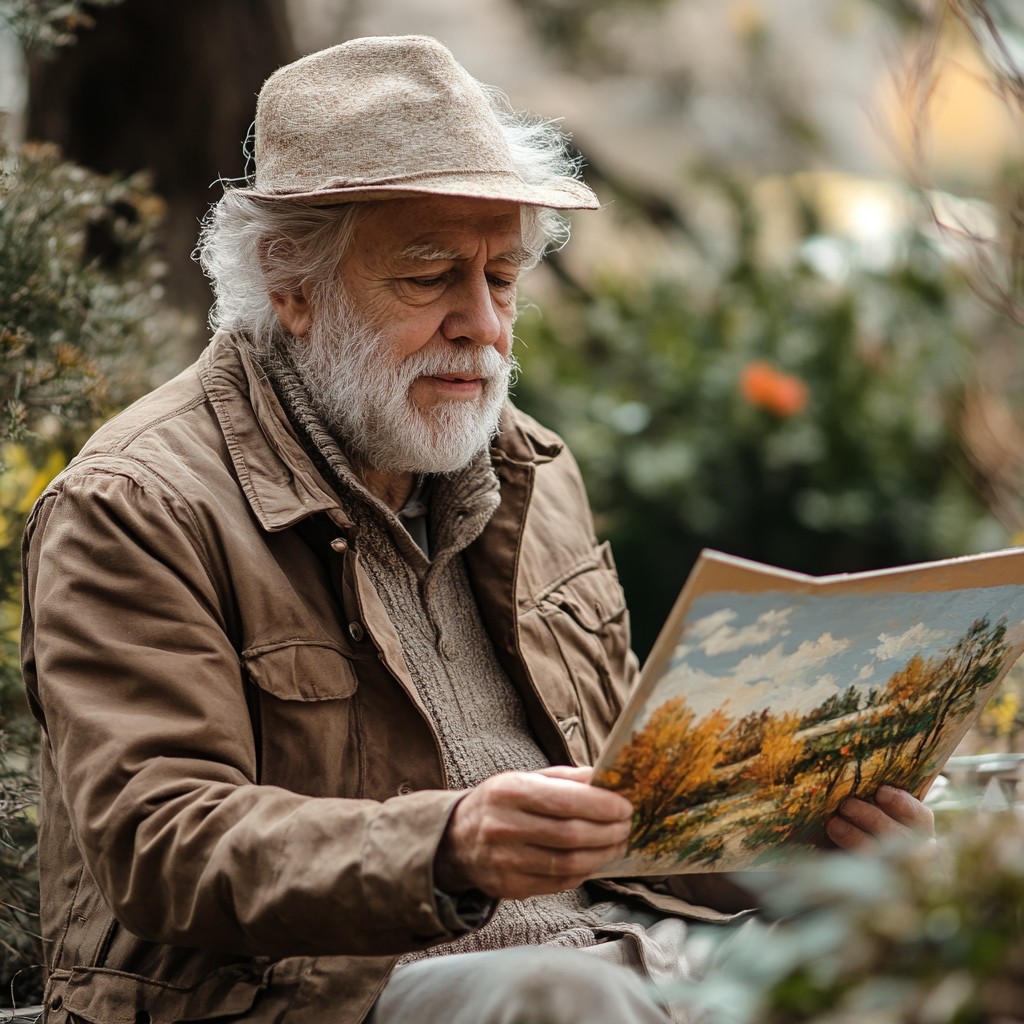
Source: stockcake.com
Why Should You Review Your Old Artwork?
Reviewing old artwork helps you see your creative growth. Daily practice can make progress hard to notice. Small changes often happen from one drawing to the next. Looking back across months or years makes those changes easier to see.
Your older work also holds clues about your creative choices. You may notice subjects you return to often. You may see colors, shapes, or themes that appear in many pieces. These patterns can help you understand your artistic interests.
A review can also bring back ideas that you once set aside. An unfinished sketch may contain a strong pose or useful layout. A painting that did not meet your old goal may now suggest a new project. Your past work can act like a map of ideas you have not explored yet.
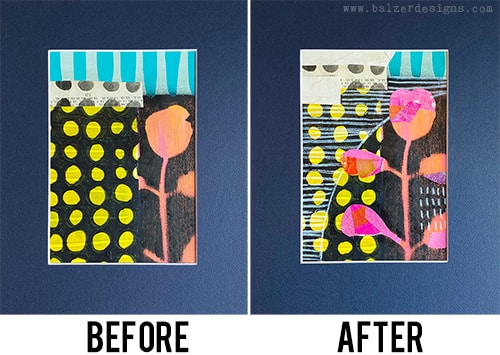
Source: blog.balzerdesigns.com
See Your Progress
Compare old and new work to spot changes in line control, color use, shape, detail, and confidence.
Find Creative Patterns
Look for repeated themes, subjects, moods, and visual choices that may help define your style.
Recover Useful Ideas
Find old sketches, studies, and concepts that could support a fresh project.
Build Better Habits
Use past results to decide which skills need more practice and which methods are worth keeping.
Reviewing Is Different From Judging
Judging often starts with a simple question: Is this artwork good or bad? Reviewing asks better questions. What was I trying to do? Which choices helped? What would I try now? These questions lead to useful answers instead of harsh labels.
A piece can have weak areas and still hold value. Its colors may work well, even if the layout feels crowded. Its subject may be clear, even if the drawing needs more control. Look at the whole work before focusing on small flaws.
Use Clear Language
Write that the shadows look flat instead of saying that the whole drawing is bad.
Keep the Original Goal in Mind
A loose study should not be judged by the same goals as a finished portrait.
Prepare Your Artwork for a Useful Review
Good preparation makes the review easier and more accurate. Start by gathering work from a clear time period or project. You might choose one sketchbook, a group of paintings, or digital drawings from a past course. A smaller group is often easier to study than a large, mixed collection.
Sort the work before making judgments. Place pieces into simple groups, such as finished work, studies, unfinished ideas, and practice exercises. Add dates when you know them. If you do not know the exact date, use an estimated month or year and mark it as an estimate.
Choose a space with steady light and enough room to view each piece. Natural light can help you see color, but avoid direct sunlight on older artwork. Place fragile pieces on a clean, stable surface. Do not force curled paper or bend a canvas to make it easier to view.
Source: theartofeducation.edu
Gather Your Materials
Collect sketchbooks, loose drawings, paintings, photographs, digital files, project notes, and any useful feedback.
Sort by Time or Project
Group similar pieces so you can compare work made for related goals.
Prepare a Review Sheet
Keep paper or a digital note ready for observations, strengths, problems, and future ideas.
Protect Fragile Work
Handle old pieces with care. Avoid touching loose pigment, flaking paint, or damaged surfaces.
Create a Simple Artwork Inventory
An inventory helps you keep track of what you own. It also makes future reviews much easier. Give each piece a short name or number. Record its date, medium, size, subject, and current condition when known.
You can use a notebook or a basic spreadsheet. Add a photograph if possible. Record whether the original is framed, stored, displayed, or still in progress. Do not guess details that you cannot confirm.
Artwork Name
Use a title or a short description that helps you find the piece.
Medium
Record materials such as graphite, watercolor, acrylic, oil, ink, or digital tools.
Date
Use the known creation date or mark the date as approximate.
Review Notes
Leave space for strengths, concerns, and possible future actions.
Choose a Useful Group of Artwork
Avoid mixing every type of work in your first review. A group of figure drawings can reveal changes in proportion and gesture. A group of landscapes can show how your use of color and depth has changed.
You can review a whole portfolio later. For now, choose a group with a clear connection. This makes your comparisons easier to understand.
By Subject
Group portraits, landscapes, still life studies, or abstract pieces.
By Medium
Review watercolor, charcoal, acrylic, or digital work in separate groups.
By Goal
Compare practice exercises, personal projects, and finished portfolio pieces.
How to Review Old Artwork Step by Step
A clear review process helps you stay focused. It also stops small flaws from taking over the whole session. Follow the same basic steps for each piece, but change the questions to fit the medium and purpose.
Start with what you can see. Then consider what you meant to create. Compare that goal with the result. Finish by recording one or two lessons that can guide your next project.
Source: theartofeducation.edu
Step 1: Look Without Judging
Spend a few minutes viewing the piece. Notice the first area that attracts your eye and the mood it creates.
Step 2: Recall the Original Goal
Read old notes if you have them. Ask what subject, feeling, or skill you wanted to explore.
Step 3: Study the Main Elements
Check composition, color, value, line, shape, texture, and technique.
Step 4: Identify Strengths
Record the parts that still work well. Explain why they support the artwork.
Step 5: Find Areas to Improve
Choose specific issues that affect the result. Separate major problems from small details.
Step 6: Choose an Action
Decide whether to keep, revise, study, archive, or reuse the work.
Begin With First Impressions
Place the artwork where you can view it from a short distance. Do not zoom in or inspect every mark at once. First, notice the overall effect. Ask where your eyes go and what feeling the piece creates.
Write down your first response before reading old notes. This helps you separate your present reaction from your past plans. Your first impression is not a final judgment. It is simply the starting point for closer study.
Where Do You Look First?
Notice the focal point and whether it feels clear.
What Mood Does It Create?
Describe the mood using simple words such as calm, tense, bright, or quiet.
What Holds Your Attention?
Identify the shapes, colors, lines, or details that keep your eyes moving through the work.
Compare the Original Goal With the Result
Next, think about why you made the artwork. Perhaps you wanted to practice light and shadow. Maybe you wanted to show movement or tell a story. If you kept a project note, sketch, or reference image, use it to understand your original plan.
Now ask whether the result supports that goal. The artwork may have changed during the process. That is not always a problem. A new idea may have made the piece stronger. Record both the original aim and the final direction.
Original Intention
Write one sentence about what you wanted the artwork to express or achieve.
Final Result
Describe what the artwork communicates now.
Important Changes
Note any changes in subject, style, materials, or meaning.
Write Findings Before Making Changes
Do not start repainting or drawing over the piece during the first review. Give yourself time to understand what is working and what is not. A quick change may hide a problem instead of solving it.
Write down your ideas first. If you want to test a new composition, make a small study on separate paper. For digital art, duplicate the file and work on a new version. This gives you room to experiment without losing the original.
Record the Problem
Describe what needs attention and where it appears.
Suggest a Solution
Write one possible change that could address the issue.
Test Before Committing
Use a sketch, tracing sheet, or duplicate file to explore the change.
What Should You Look for When Reviewing Artwork?
Look at the artwork as a whole before studying individual details. A piece can contain small technical errors and still communicate its idea well. Another piece may have clean technique but lack a clear focus. Your review should consider both the visual result and the purpose behind it.
Use a few clear areas to guide your review. You do not need to score every quality. Choose the parts that matter most to the type of work you are studying.
Source: theartofeducation.edu
Composition
Check the placement of subjects, balance, space, and the path your eyes follow.
Color and Value
Look at color relationships, light, dark areas, contrast, and mood.
Line and Shape
Notice control, variety, rhythm, proportion, and the way forms are built.
Technique
Review the use of tools, materials, surface, and chosen methods.
Expression and Meaning
Consider whether the work communicates its idea or feeling.
Originality
Notice personal choices and ideas that make the work distinct.
Composition and Visual Balance
Composition is the way visual parts are arranged. Check whether the main subject is easy to find. Notice empty space, crowded areas, and the balance between large and small shapes.
Turn a drawing upside down or view a photograph of it in a smaller size. This can help you see the overall layout in a new way. Look for areas that pull attention away from the main subject without a clear reason.
Focal Point
Does the viewer know where to look first?
Visual Flow
Does the eye move through the artwork in a clear and useful way?
Space
Do the positive and negative spaces support the main idea?
Color, Light, and Contrast
Color can shape mood and guide attention. Look at how warm and cool colors work together. Check whether the strongest colors support the subject or compete with it.
Value means how light or dark a color appears. A grayscale view can help reveal value problems. If the artwork looks flat in grayscale, the light and dark areas may need more separation. This check is useful for paintings, drawings, and digital images.
Value Range
Check whether the artwork has enough difference between light and dark areas.
Color Harmony
Look for colors that support the subject and create the intended mood.
Contrast
Notice whether strong contrast appears in the right places.
Technique and Material Control
Your review should match the medium. In a graphite drawing, look at line weight, shading, and edge control. In watercolor, consider water control, layering, and paper texture. In acrylic or oil painting, look at brushwork, surface, and the way layers support the image.
Do not expect old work to show the same control as recent work. Instead, ask what the piece reveals about your skill at that time. A rough study may show strong observation, even if the finish is uneven.
Tool Use
Notice how well the chosen tools served the task.
Material Control
Look for signs of good handling, useful texture, or areas that need more practice.
Technique Growth
Identify methods that you understand better now than when you made the piece.
Expression and Personal Meaning
A strong artwork does not need to explain everything. Some work aims to create a feeling rather than tell a clear story. Think about what the piece means to you and whether its visual choices support that meaning.
You may also find that your response has changed. An old subject may matter less to you now. Another piece may feel more meaningful after time has passed. Both responses are useful parts of a creative review.
Mood
Ask whether the visual choices support the feeling you wanted to create.
Personal Voice
Look for choices that reflect your interests and way of seeing.
Meaning
Consider whether the work still connects with your ideas or experience.
How to Compare Old Artwork With Your Current Work
Compare old artwork with recent work to understand your progress. The best comparison is usually between pieces with similar goals. For example, compare two portrait drawings rather than a portrait and an abstract color study. This makes it easier to see changes in skill and choice.
Do not expect every part of your art to improve at the same speed. Your color sense may have grown while your figure drawing still needs practice. You may also have moved toward a looser style. Progress can mean better control, but it can also mean clearer choices and a stronger sense of direction.
Keep the purpose of each piece in mind. A quick sketch is not meant to have the same finish as a gallery-ready painting. Compare each work against the task it was made to serve.
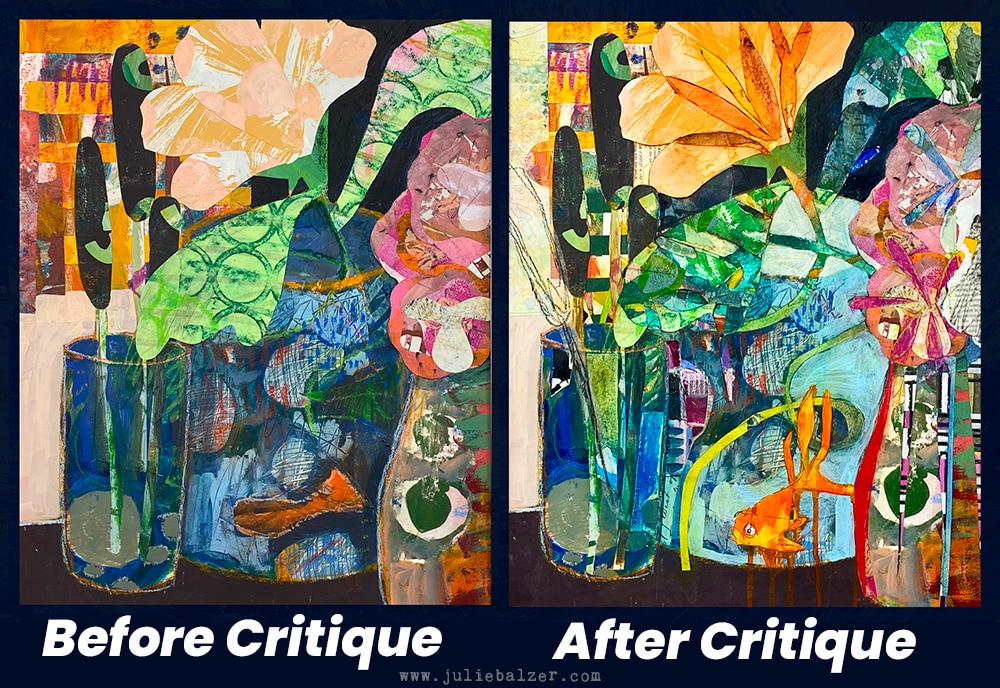
Source: blog.balzerdesigns.com
Compare Similar Subjects
Use work with related subjects, goals, and levels of finish.
Check Specific Skills
Study proportion, perspective, shading, color, texture, or other skills one at a time.
Notice Changes in Style
Look for shifts in subject choice, visual language, and personal expression.
Record More Than Technical Growth
Include changes in confidence, planning, patience, and creative decision making.
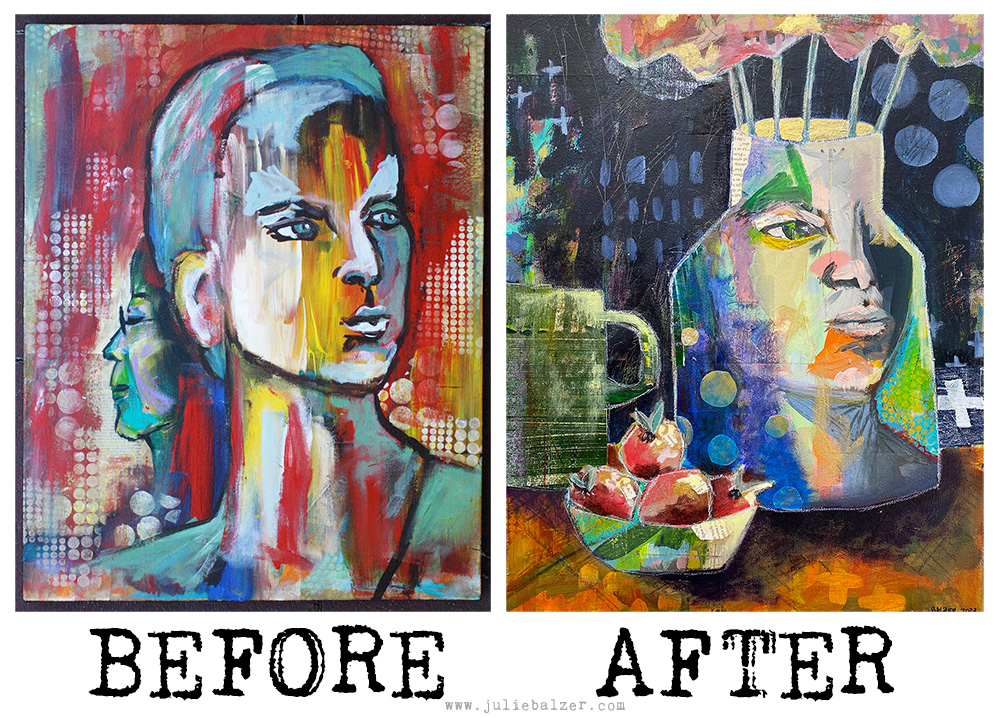
Use a Before-and-After Comparison
Choose one older piece and one recent piece with a similar goal. Place them side by side. Look at the main subject, layout, technique, and finish. Write down what has changed.
For example, imagine comparing two pencil portraits. The older portrait may have uneven proportions and little value range. The newer portrait may show clearer structure and more controlled shading. This does not make the older drawing worthless. It shows which skills have developed.
What Improved?
List visible changes in skill or decision making.
What Stayed the Same?
Notice repeated interests, subjects, or methods.
What Still Needs Work?
Choose one skill that would benefit from focused practice.
Create a Simple Progress Record
A progress record helps you remember what you learn from each review. You can use a notebook, spreadsheet, or digital portfolio. Add a photo of each piece and a few short notes.
Keep the record honest and specific. Instead of writing that your art has become better, explain what has changed. You might note that your shadows now have a wider value range or that your compositions use more open space.
Date and Project
Record when the artwork was made and what it was meant to achieve.
Visible Growth
Write down two changes that you can see.
Next Practice Goal
Choose one skill or idea to explore in a future session.
What Should You Do With Old Artwork After Reviewing It?
Every old artwork does not need the same outcome. Some pieces should remain unchanged. Others may benefit from a new study or careful revision. Your decision should depend on the artwork’s condition, value to you, purpose, and possible future use.
Do not change a piece simply because you can see mistakes now. The original may show an honest stage of your development. Changing it could remove the very details that make it useful as a record of your progress.
If you want to test a new idea, work on a copy first. This is especially useful when the original has personal meaning or shows a technique you may want to study later.
Source: blog.balzerdesigns.com
Keep It
Preserve the original when it has personal meaning, useful history, or strong artistic qualities.
Revise It
Make changes when they support a clear goal and the material can safely handle them.
Use It as a Study
Create a new version to explore a different color plan, layout, or technique.
Archive It
Photograph and store work that you want to keep but do not need to display.
Reuse It
Consider reusing materials only when the work has no special value and the surface is suitable.
When Should You Rework an Old Piece?
Reworking makes sense when you have a clear reason. Perhaps the composition no longer supports the idea. You may want to change the background, improve contrast, or explore a different color scheme. First, decide what the change should achieve.
Try the idea outside the original artwork. Use tracing paper over a drawing or photograph the piece and make a digital study. This lets you compare options without risking the original.
If the test works, consider whether the original can accept the change. Some papers, paints, and surfaces may be too fragile for more work. Do not add new material until you understand the condition and limits of the surface.
Make One Main Change
Focus on the most useful improvement rather than changing every part.
Protect Strong Areas
Avoid changing parts that already support the artwork.
Keep the First Version
Photograph the original and save a copy before making any changes.
Turn an Old Idea Into New Artwork
Sometimes the best choice is to create a new piece. An old sketch can become a full painting. A small color study may suggest a larger series. A failed composition may lead to a better layout when you start again.
Keep the part that inspired you. It could be a pose, shape, texture, subject, or mood. Change the other elements to fit your current goals. This lets you learn from the past without repeating every old choice.
Build a New Series
Use one old subject as a starting point for several new versions.
Try a Different Medium
Explore the same idea through drawing, painting, collage, or digital art.
Change the Scale
Turn a small study into a larger piece or create a set of small variations.
Know When to Leave Artwork Alone
Some artwork should not be changed. A piece may have a strong overall effect even if a few details are imperfect. Another may be meaningful because it records a moment in your life. You do not need to improve everything you make.
Leaving a piece alone can also show good judgment. You may have learned what you needed from it. Keep the work, record the lesson, and use that knowledge in your next project.
Strong Overall Effect
Keep a piece when its main idea and visual impact work well.
Personal Meaning
Preserve work that holds memories or marks an important stage in your life.
Useful Historical Record
Keep early studies that help show how your skills and ideas developed.
How to Review Different Types of Artwork
Different materials need different review methods. A paper drawing can be checked for line, value, and proportion. A painting may need closer attention to color, surface, and layers. A digital piece also has file settings and version history to consider.
Use questions that match the work. Do not judge a loose watercolor study by the standards of a detailed oil painting. Review the artwork based on its purpose and the limits of its materials.
Source: dreamstime.com
Drawings
Review proportion, line quality, value, edges, and control of the chosen tool.
Paintings
Study color, composition, brushwork, layers, texture, and surface condition.
Digital Art
Check the original file, layers, resolution, color settings, and saved versions.
Mixed Media
Consider how the materials work together and whether the piece remains stable.
Reviewing Sketchbooks and Drawings
Sketchbooks are useful records of thought and practice. Review the whole page before focusing on individual drawings. Look for repeated subjects, changes in line, and ideas that appear more than once.
Do not expect every sketch to be finished. Some drawings exist only to test a pose or study a shape. Their value may come from the question they helped you explore.
Line Control
Notice whether lines have become more confident or varied.
Observation
Check changes in proportion, perspective, and shape.
Idea Development
Find sketches that could support a new project.
Reviewing Paintings
Paintings need a careful visual review. Step back to see the full composition. Then look at the color relationships, value range, edges, and brushwork. Notice whether the surface supports the mood and subject.
Check the physical condition before considering any revision. Look for cracks, loose paint, unusual surface changes, or signs of damp. Do not scrub, scrape, or use household cleaners on old paintings.
Color Relationships
Check how the main colors work together and support the subject.
Surface and Texture
Notice the visible marks and whether the surface appears stable.
Overall Impact
View the painting from a distance to assess its main visual effect.
Reviewing Digital Artwork
Digital art is easier to duplicate, but it still needs careful review. Open the original project file when possible. Check the layers, brushes, masks, and saved versions. A flattened image may hide choices that are visible in the working file.
Make a separate copy before testing edits. Keep the original file unchanged. Record important software or file details if they affect future access. Save important work in more than one safe location.
Layer Structure
Look at how the file is organized and whether useful elements remain editable.
Image Quality
Check dimensions, resolution, color settings, and export quality.
Version History
Compare saved versions to see how the idea changed during the process.
How to Document and Preserve Your Old Artwork
Good records help you keep the results of each review. They also make it easier to compare work in the future. Take clear photographs of important pieces before moving or changing them. Use even light and keep the camera level with the artwork.
Avoid filters or heavy image edits when making a record. The photograph should show the work as it appears. If color accuracy matters, use a consistent setup and keep a note of the lighting and camera settings.
For paper artwork, use suitable archival storage when possible. Acid-free folders and protective sleeves can help limit contact with dust and handling. Keep work away from damp areas, direct sunlight, and major temperature changes.
Paintings need support that fits their size and condition. Avoid stacking unprotected surfaces. Do not place heavy objects on top of them. If a work is fragile, damaged, or valuable, ask a qualified art conservator before trying to clean or repair it.
Source: youtube.com
Take Clear Photographs
Use even lighting, a straight camera angle, and a clean background.
Keep Original Files
Save full-quality photographs and digital artwork files without replacing them with edited copies.
Use Suitable Storage
Choose clean, dry storage and materials designed for artwork.
Track the Condition
Record tears, stains, cracks, loose paint, or other visible changes.
Build a Digital Art Archive
A digital archive gives you a simple way to find old work. Create folders based on year, project, or medium. Use clear file names that include the title and date when known.
Keep an original photograph and a separate working copy. Store another copy in a different safe location. Check that your files open from time to time. A backup is useful only when you can access it.
Use Clear File Names
Choose names that make each artwork easy to identify.
Keep Separate Versions
Store original images, edited copies, and review notes separately.
Check Your Backups
Make sure important files remain readable and available.
Know When to Ask a Conservator
Old artwork may have damage that is not safe to repair at home. Flaking paint, active mold, severe tears, and unstable surfaces need special care. Household cleaners, tape, glue, and general repair products can make the damage worse.
If a piece has strong personal, historical, or financial value, seek advice from a qualified art conservator. Do not attempt to remove mold, flatten fragile paper, or clean an unknown surface without suitable guidance.
Visible Paint Loss
Avoid touching or brushing areas where paint is lifting or falling away.
Possible Mold
Avoid disturbing affected material and seek suitable conservation advice.
Unknown Materials
Do not use solvents or cleaning products when the material and finish are uncertain.
Turn Your Review Into a Better Art Practice
A review is most useful when it leads to a clear next step. You do not need a long list of goals. Choose one or two areas that matter most. Then plan a practice task that gives you a chance to work on them.
For example, if your old portraits have weak shadows, plan a short value study. If your landscapes feel crowded, make several small composition sketches. If your digital work has messy layers, create a cleaner file structure in your next project.
Keep your next goal small enough to act on. A clear task is easier to complete than a broad goal such as becoming a better artist. Review the result later and see whether the practice helped.
Source: theartofeducation.edu
Choose One Skill
Focus on a clear area, such as perspective, shading, color, or gesture.
Plan a Small Exercise
Create a short study that gives you a chance to practice that skill.
Record the Result
Save the study and write down what you learned.
Review Again
Compare the new work with your earlier pieces after enough practice.
Use a Simple Artwork Review Worksheet
A worksheet keeps your thoughts clear. Use the same basic questions each time, but add new ones when a project needs them. Your notes do not need to sound formal. Short and honest answers are often more useful.
Keep each review focused on visible details. This makes it easier to turn your notes into practice goals. It also gives you a record that you can compare during your next review.
Artwork Details
What is the title, date, medium, subject, and purpose?
First Impression
What do you notice first, and what mood does the work create?
Main Strength
Which part works best, and what makes it successful?
Main Challenge
Which part could improve, and how does it affect the whole piece?
Lesson Learned
What did this work teach you about your process or choices?
Next Action
Will you keep, revise, archive, study, or reuse the artwork?
Try a Sample Review Session
A short review session can be enough for a small group of artwork. For example, set aside 45 minutes for three related drawings. Spend the first part looking at the work and sorting it by date. Use the middle of the session to compare strengths and challenges.
Use the final part to write your findings and choose one practice goal. This is only a sample plan. Give yourself more time for a large portfolio or fragile work. Stop when your attention becomes weak.
First 10 Minutes
Gather the pieces and make a quick visual review.
Next 20 Minutes
Compare the work and write clear observations.
Next 10 Minutes
Choose which pieces to keep, revise, or archive.
Final 5 Minutes
Write one practical goal for your next art session.
Build a Regular Review Habit
You do not need to review every drawing as soon as you finish it. Set a simple routine that fits your creative work. You might review a small group at the end of a project or look through your archive every few months.
The best schedule is one you can maintain. Keep your notes brief and focus on the lessons that matter. Over time, these records can help you see patterns that are hard to notice during daily practice.
After a Project
Review the finished work and record what you would repeat or change.
Every Few Months
Look at a wider group to spot changes in style and skill.
Before a New Series
Review related older work to find useful ideas and avoid repeating old problems.
Common Mistakes When Reviewing Old Artwork
A useful review needs honesty, but it also needs balance. Artists can become too harsh when looking at early work. They may also become too attached to a piece to notice problems. Both habits can limit what they learn.
The goal is not to prove that every old piece was successful. It is to understand the choices behind it. A clear review gives attention to strengths and weaknesses in equal measure.
Comparing Everything With Current Skill
This ignores the purpose and skill level of the artist when the work was made. Compare similar goals and stages instead.
Focusing Only on Mistakes
This hides useful strengths. Record what worked before deciding what needs attention.
Changing Work Too Quickly
A rushed edit can damage an original or remove a feature that gave it value. Test changes on a copy first.
Ignoring the Original Purpose
A study, experiment, and finished piece have different goals. Use the right standard for each.
Expecting Constant Improvement
Creative growth can move in different directions. Some skills may improve while others remain difficult.
Throwing Work Away Too Soon
An old piece may contain useful ideas or personal meaning. Review it before deciding to discard it.
Avoid Harsh Self-Talk
Words such as useless, terrible, and hopeless do not explain what happened in an artwork. They also do not give you a clear way to improve. Replace them with details you can act on.
Instead of saying that a painting is bad, write that its focal point is unclear. Instead of saying that a portrait failed, note that the head shape and neck need more study. Clear language makes the next step easier.
Name the Issue
Describe what you see instead of using a broad negative label.
Name the Strength
Record one part that worked, even when the whole piece needs attention.
Choose a Response
Turn your finding into a practice task or a decision about the artwork.
Do Not Confuse Personal Taste With Skill
You may not enjoy a style that you used in the past. That does not mean the work has no value. A loose drawing can show strong movement, while a simple painting can create a clear mood.
Separate your current taste from the work’s purpose. Ask whether the choices support the idea. Then decide whether that idea still interests you. This helps you review the work without forcing your present style onto every old piece.
Check the Purpose
Decide what the artist was trying to achieve before judging the result.
Look for Visual Strength
Notice useful choices even when the style is no longer your favorite.
Respect Creative Change
Allow your current interests to differ from your past interests.
Questions to Ask After Reviewing Your Artwork
A review can lead to new questions. These questions help you move from looking at old work to making better creative choices. The following are practical next steps inferred from the review process, not measured search trends. They address decisions that often follow an artwork review.
Which Old Pieces Should I Keep?
Reader stage: after the review. Basis: an inferred next need. Useful coverage: decide by artistic value, personal meaning, condition, and future study needs. Benefit: helps prevent the loss of useful work. Evidence: direct inspection of the artwork and its history. Priority: high. Placement: the decision section and preservation section.
How Can I Turn Old Ideas Into New Art?
Reader stage: planning the next project. Basis: an inferred next need. Useful coverage: use studies, alternate compositions, new media, and small experiments. Benefit: helps the artist develop ideas without damaging originals. Evidence: sketches and test versions. Priority: high. Placement: the reworking and new series sections.
How Do I Track Artistic Progress?
Reader stage: after several reviews. Basis: an inferred next need. Useful coverage: use dated photographs, similar project comparisons, and short review notes. Benefit: makes changes in skill and style easier to see. Evidence: the artist’s own dated artwork archive. Priority: high. Placement: the comparison and progress record sections.
How Should I Store Older Artwork?
Reader stage: after sorting and selecting work to keep. Basis: an inferred next need. Useful coverage: suitable storage, digital records, condition checks, and conservation limits. Benefit: helps protect work for later use. Evidence: artwork condition and appropriate conservation guidance. Priority: high. Placement: the documentation and preservation section.
Know When to Seek Outside Feedback
A fresh view can help when you feel stuck. Ask another artist, teacher, or trusted creative peer to review one clear part of your work. Tell them what you want feedback on before they begin.
For example, ask whether the main subject stands out or whether the colors support the mood. Specific questions are more useful than asking whether the artwork is good. Listen to the response, but make your own final decision.
Ask Focused Questions
Request feedback on one or two parts of the artwork.
Listen for Clear Reasons
Look for comments that point to visible features rather than personal taste alone.
Use What Helps
Keep feedback that supports your goals and set aside advice that does not fit the work.
Frequently Asked Questions
Q
How often should I review my old artwork?
Review your work when you finish a major project, complete a series, or notice a change in your goals. A wider review every few months can also help. There is no fixed schedule that suits every artist.
Choose a routine that fits your time and the size of your archive. Short, regular reviews are often easier to manage than one large review of every piece.
Q
Should I repaint or redraw old artwork?
Only make changes when you have a clear reason. First, identify what needs improvement and decide how the change will support the artwork. Test your idea on tracing paper, a separate study, or a digital copy.
Keep the original when it has personal meaning or useful historical value. Also check the surface and materials before making physical changes. Ask a conservator for help if the work is fragile or damaged.
Q
How can I tell if my art skills have improved?
Compare older and newer pieces with similar subjects and goals. Look at proportion, perspective, color, value, composition, and material control. Notice changes in planning and confidence as well.
Use dated photographs and short notes to record your findings. Remember that artistic growth is not always a straight line. Different skills can develop at different speeds.
Q
What should I do with artwork I no longer like?
Do not throw it away at once. Look for useful parts, such as a strong composition, interesting texture, or an idea worth exploring. You may decide to archive it, use it as a study, or create a new version.
If the piece has personal meaning, consider keeping it even if your style has changed. You do not need to display every artwork you choose to preserve.
Q
How can I review old digital artwork?
Open the original project file when possible. Check its layers, tools, composition, color, and saved versions. Compare the original idea with the final image and record what changed.
Make a separate copy before testing edits. Keep the original file safe and save important work in more than one location. This helps protect the artwork while allowing new experiments.
✦ Wrapping Up
Conclusion
Reviewing old artwork gives you a better view of your creative journey. It helps you notice progress, understand past choices, and find ideas worth exploring again. More than anything, it teaches you to look at your work with care and clear thought.
You do not need to fix every flaw or keep every piece on display. Some artwork should stay as it is. Other work can become a new study, a fresh project, or a useful lesson. The best review ends with a clear choice and a practical next step.
💡 Key Takeaway
Choose three old artworks today. Write one strength, one area for growth, and one lesson for each piece. Then select one small skill to practice in your next art session.