
The best colored pencil paper guide helps you match paper tooth, weight, and finish to your pencils.
If you have ever wondered why one drawing looks smooth and rich while another feels scratched out or patchy, the paper is often the reason. I have tested plenty of colored pencil paper over the years, and the difference between “good enough” and “great” paper can change everything from layering to blending to how long your artwork lasts. In this colored pencil paper guide, I’ll walk you through what matters, what to avoid, and how to choose the right paper for your style.
What makes colored pencil paper different?
Colored pencil paper is not just regular drawing paper with a fancy name. It is made to handle layering, burnishing, erasing, and repeated pencil strokes without falling apart too fast. The right surface gives the pigment something to grab, while still letting you build color smoothly.
The main thing to understand is tooth. Tooth is the tiny texture on the paper’s surface. Too little tooth, and your pencil slips without much color payoff. Too much tooth, and your strokes can look grainy or uneven.
A good colored pencil paper guide always starts here because paper choice affects nearly every part of your process. It changes how many layers you can add, how bright your colors look, and how polished your finished piece feels.
Key paper qualities to look for
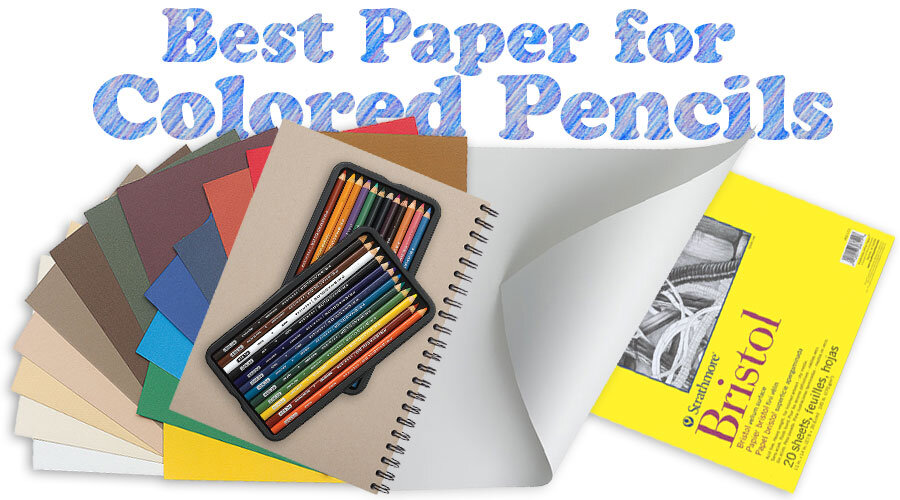
When I first started with colored pencils, I used whatever sketchbook I had on hand. That was a mistake. Some pages worked fine for rough practice, but they failed fast when I tried to blend or layer. The best paper for colored pencils usually has a few clear traits.
Tooth
Tooth is the surface texture that holds pigment. A little tooth helps the pencil stick and makes layering easier. A smoother paper is better for fine detail, but a more textured paper can handle more layers.
Weight
Paper weight is usually measured in GSM or pounds. Heavier paper resists buckling, tearing, and smudging better. For colored pencils, many artists like paper in the 80 GSM to 160 GSM range or higher, depending on the technique.
Surface finish
Paper can be smooth, medium, or rough. Smooth paper is good for detailed work and sharp lines. Medium surfaces are often the sweet spot for most artists because they balance detail and layering.
Acid free quality
Acid free paper lasts longer and helps your art stay true over time. If you want to frame, sell, or archive your work, this matters a lot. It is one of those details that feels small now but pays off later.
Color of the paper
White paper gives the brightest color response. Cream, tan, or toned paper can make colors feel softer and can help with shadows and midtones. I often recommend toned paper to artists who want a more atmospheric look with less work.
Best paper types for colored pencils
Not all paper is built the same. The best choice depends on whether you want smooth detail, heavy layering, or a mixed-media feel. Here is a simple breakdown from real use.
Bristol paper
Bristol paper is one of the most popular choices for colored pencil work. It is smooth, sturdy, and great for clean detail. If you like portraits, pet drawings, or crisp edges, this is a strong option.
Hot press watercolor paper
Hot press watercolor paper has a smooth surface but more texture than Bristol. It handles many layers well and is a favorite for artists who use colored pencils with light watercolor or ink. I have found it especially useful when I want flexibility without losing control.
Mixed media paper
Mixed media paper is a practical choice if you use more than one medium. It can handle colored pencils, light markers, and some wet media. It is not always the best for ultra-fine details, but it is useful for experimentation.
Pastel paper
Pastel paper has a strong tooth and holds a lot of pigment. It can be excellent for heavy layering with colored pencils, especially soft pencils. The tradeoff is that details can be harder to refine because the texture is so noticeable.
Cartridge and sketch paper
These are good for practice, studies, and quick drawings. They are usually not ideal for finished colored pencil work unless they are high quality and thick enough. I use them most when I am testing color ideas or planning composition.

How to match paper with your colored pencil style
The best paper is not always the most expensive one. It is the paper that fits your method. In my own work, choosing paper based on style saves time and prevents frustration.
For detailed realism
Use smooth Bristol or hot press watercolor paper. These surfaces help with sharp edges, hair, fur, glass, and tiny texture work. They also let you sharpen your pencils less often.
For heavy layering
Choose paper with more tooth or stronger fibers. Hot press watercolor paper and pastel paper can support more layers than cheap sketch paper. This is helpful if you build color slowly.
For burnishing
Burnishing works best on paper that can hold up under pressure. Smooth or medium-smooth paper is usually best because the pencil can flatten the pigment without tearing the surface. Too much pressure on weak paper can create shiny, damaged spots.
For loose sketching
A medium sketchbook paper is fine if you are practicing shapes, values, or color ideas. You do not need premium paper for every drawing. Saving your best paper for finished pieces is a smart habit I learned after wasting too many sheets on rough drafts.
Common mistakes when choosing colored pencil paper
I see these mistakes a lot, and I made most of them myself at one point. The good news is that they are easy to fix once you know what to watch for.
Choosing paper that is too thin
Thin paper buckles, pills, and wears out quickly. It also makes blending harder because the surface breaks down too soon. If your paper feels flimsy, it probably will not support much layering.
Ignoring tooth
Some artists buy very smooth paper and then wonder why the color will not build. Others use rough paper and get annoyed when fine detail looks messy. Matching tooth to your goal is one of the simplest ways to improve.
Using the wrong paper for the pencil type
Harder pencils and softer pencils behave differently. Wax-based pencils often need paper that can take repeated layering. Oil-based pencils may work better on smoother surfaces for crisp results.
Forgetting about preservation
If you want your art to last, acid free paper is worth the extra care. Cheap paper may yellow or weaken over time. That matters more than many beginners think.
How paper affects blending and layering
Paper and pencil work like dance partners. If one leads too hard, the whole piece feels off. The surface controls how much pigment can sit on top and how easily you can push colors together.
Smooth paper lets you blend more softly and create polished transitions. Textured paper holds more layers, but the texture can show through. If you want rich color depth, try layering lightly and slowly rather than pressing hard from the start.
One lesson I learned the hard way is that overworking paper can flatten the tooth too early. Once that happens, new layers stop sticking well. The fix is simple: build color in stages and leave some tooth for later.
Choosing paper based on skill level
A colored pencil paper guide should also be practical. Not every artist needs the same surface.
Beginners
Start with medium-smooth paper that is sturdy and easy to control. You want paper that forgives mistakes and supports simple blending. A good sketchbook or Bristol sheet is often enough.
Intermediate artists
Try papers with more specific surface behavior. Test hot press, toned paper, and heavier sheets to see what supports your preferred style. This is the stage where paper choice starts to shape your signature look.
Advanced artists
At this level, the paper becomes part of your method. You may choose paper based on whether you want maximum detail, soft texture, dramatic layering, or archival quality. Small differences in tooth and finish can make a big impact.
Best practices for testing colored pencil paper
Before buying a full pad, test a few sheets. That small step can save money and frustration. I always recommend doing a mini test with the pencils you actually use, not just what looks good in the store.
Try these checks:
• Draw a few light layers to see how the paper grabs pigment
• Add pressure to test burnishing and resistance
• Use an eraser to see how well the paper lifts color
• Blend with a colorless blender or solvent if that is part of your process
• Compare how white, toned, and cream paper affect your colors
The goal is to see how the paper behaves in real use. Marketing labels are helpful, but your pencil on that surface tells the truth.
Storage, framing, and long-term care
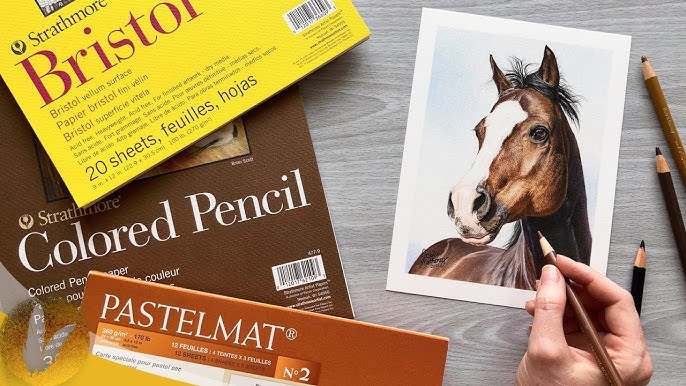
Good paper deserves good care. Even the best colored pencil paper can suffer if it is stored badly. Keep sheets flat, away from moisture, and out of direct sunlight.
If you frame finished work, use acid free mat board and glass with UV protection when possible. This helps preserve color and prevents surface damage. For stored drawings, interleave with clean paper to reduce smudging.
A small but important tip: colored pencil drawings can still smudge if handled too soon or too roughly. Let them rest, and avoid stacking finished pieces without protection.
Recommended paper features by use case
If you want a fast way to narrow choices, use this simple guide.
• Portraits and realism: Smooth Bristol or hot press watercolor paper
• Heavy layering: Hot press watercolor paper or pastel paper
• Practice and sketches: Medium sketch paper or mixed media paper
• Archival finished art: Acid free, heavyweight paper
• Tonal or moody artwork: Toned paper with enough tooth for layers
This is not a hard rule, but it is a reliable starting point. The best colored pencil paper guide always points back to your goal first.
Frequently Asked Questions
What is the best paper for colored pencils?
The best paper for colored pencils depends on your style, but Bristol and hot press watercolor paper are top choices for many artists. They offer a good balance of smooth detail and layering strength.
Can I use regular printer paper for colored pencils?
You can, but it is not ideal for finished work. Printer paper is too thin and smooth, so it limits layering and can tear or wrinkle easily.
Is textured paper good for colored pencil drawings?
Yes, textured paper can be excellent if you want strong layering and visible surface character. Just know that very fine details may be harder to control on rougher paper.
Should colored pencil paper be acid free?
Yes, if you want your artwork to last. Acid free paper helps prevent yellowing and deterioration over time, which is important for storage and framing.
What paper weight is best for colored pencils?
A heavier paper is usually better, especially for layering and blending. Many artists work well with paper around 80 GSM to 160 GSM or more, depending on the paper type and technique.
Conclusion
Choosing the right paper can make colored pencil work feel smoother, richer, and more satisfying. Once you understand tooth, weight, surface finish, and paper type, the whole process becomes easier to control. A smart colored pencil paper guide is really about matching the surface to your goals, not chasing the most expensive option.
If you are still unsure, start with a sturdy medium-smooth paper and test from there. Keep notes on what works, because your favorite paper may surprise you. Try one new surface on your next drawing, and you may notice your colors, blends, and details improve right away.