
Movement in art refers to how artists create the feeling of action, flow, energy, and direction.
Movement in art is one of those ideas that seems simple at first, but the more you study it, the more powerful it becomes. It shapes how your eye travels, how a painting feels alive, and how a sculpture seems to breathe in space. If you want to understand movement in art in a real, practical way, this guide breaks it down clearly and deeply.

What Movement in Art Means
Movement in art is the visual path your eye follows through a work. Artists use lines, shapes, color, rhythm, and composition to guide that path. The goal is to make the piece feel active instead of flat or still.
In my experience, movement is what often turns a good artwork into a memorable one. A painting can have strong color and skillful detail, but if the eye gets stuck, the work can feel frozen. When movement in art is handled well, the whole piece feels like it has a pulse.
Movement in art can be:
• Actual movement, where the artwork physically moves
• Implied movement, where the artist creates the illusion of motion
• Visual movement, where your eyes are led across the composition
This idea shows up in painting, sculpture, photography, digital art, and even graphic design. It is one of the core tools artists use to create emotion and meaning.
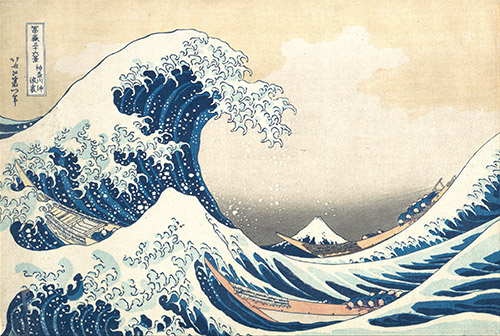
Why Movement in Art Matters
Movement in art matters because it creates energy, focus, and emotion. Without it, many artworks feel static or disconnected. With it, even a simple composition can feel dramatic and alive.
Here are the main reasons it matters:
• It guides the viewer’s eye to the focal point
• It adds emotion and tension
• It creates rhythm and unity
• It helps tell a story
• It makes the artwork feel more natural and dynamic
I once worked on a composition where everything looked technically correct, but the viewer’s eye wandered without rest. The fix was not more detail. It was better movement in art, using curved lines and repeated shapes to create flow. That small change made the piece feel far more complete.
The Main Types of Movement in Art
Movement in art is usually discussed in a few key forms. Each one works differently, but they often overlap in a single piece.
Actual Movement
Actual movement means the artwork physically moves. This is common in kinetic art, mobiles, mechanical sculpture, and interactive installations.
Artists like Alexander Calder made famous mobiles that move with air. That physical motion becomes part of the artwork itself, not just something the viewer imagines.
Implied Movement
Implied movement is the illusion of motion in a still work. Artists create this through repeated forms, diagonal lines, blurred edges, gestures, and direction.
This is the most common kind of movement in art. A runner in mid-stride, waves crashing, or fabric blowing in the wind can all suggest motion even though nothing actually moves.
Visual Movement
Visual movement refers to how your eye travels around the artwork. It is shaped by composition, contrast, scale, and placement.
A strong visual path helps the viewer move from one area to the next in a smooth, intentional way. This is especially important in painting, photography, and design.
How Artists Create Movement in Art
Movement in art does not happen by accident. Artists build it with specific visual tools that influence attention and flow.
Line
Lines are one of the strongest tools for movement in art. Diagonal lines feel active, curved lines feel flowing, and zigzag lines can feel tense or fast.
A road receding into the distance or a dancer’s arm sweeping across the canvas can send the eye moving in a clear direction. Lines act like visual highways.
Repetition and Rhythm
When shapes, colors, or marks repeat, they create rhythm. Rhythm gives the artwork a beat, almost like music.
This is one reason pattern-heavy art can feel so alive. The repeated elements make the eye move again and again.
Direction and Gesture
Gesture is especially important in figure drawing and expressive painting. A body tilted forward or a brushstroke that curves suddenly can suggest speed, grace, or struggle.
I have found that gesture often matters more than perfect detail. A simple pose with strong direction can feel more dynamic than a highly detailed figure that stands stiffly.
Contrast
Strong contrast pulls attention. Dark against light, large against small, or sharp against soft can all create movement in art.
Contrast helps organize the path of the eye. It tells the viewer where to look first and where to go next.
Color
Color can create movement in art by leading the eye across the surface. Bright colors often advance, while cool colors often recede.
Warm colors like red, orange, and yellow can feel active and fast. Cooler tones can slow the mood down, but they can still guide the eye when used with care.
Perspective and Depth
Linear perspective creates the sense of space, which naturally leads the eye inward. Overlapping objects and changes in scale also create movement.
Depth can make the viewer feel pulled into the artwork. That inward pull is a form of movement in art too.
Movement in Art Across Different Mediums
Movement in art looks different depending on the medium. Each form gives artists new ways to control energy and flow.
Painting
In painting, movement is often created with brushwork, color, and composition. Artists like Vincent van Gogh used swirling strokes to make even still scenes feel alive.
Sculpture
Sculpture can show movement in two ways: actual physical motion or implied motion in form. Twisting shapes, bent limbs, and open space often create a sense of flow.
Photography
In photography, movement in art may come from motion blur, body position, framing, or the direction of light. A well-timed photo can freeze a moment while still suggesting what happened before and after.
Digital Art and Design
Digital artists use movement through layout, animation, layering, and transitions. In web and motion design, movement is not just aesthetic. It also helps users understand where to look and what to do.
Famous Examples of Movement in Art
Many well-known artists have used movement in art in powerful ways. Their work shows how motion can shape meaning.
• Leonardo da Vinci used gesture and composition to create life-like energy in figure studies.
• Michelangelo built strong physical tension into the bodies in his frescoes and sculptures.
• Edgar Degas captured dancers in motion with quick poses and angled framing.
• Vincent van Gogh used swirling brushwork to create emotional movement in landscapes and skies.
• Wassily Kandinsky explored rhythm and visual energy through abstraction.
• Jackson Pollock turned movement itself into part of the painting process through action painting.
What connects these artists is not just style. It is their understanding that movement in art can be emotional, structural, and symbolic at the same time.

The Emotional Power of Movement in Art
Movement in art does more than move the eye. It moves the mind and body too. A piece can feel calm, chaotic, joyful, or painful depending on how motion is handled.
For example:
• Fast diagonal forms can feel urgent or intense
• Soft curves can feel peaceful or natural
• Repeated motion can feel hypnotic or musical
• Broken or abrupt movement can feel anxious or unsettled
This is one reason movement in art matters so much in storytelling. It helps the artist express what words cannot always say. A good composition can make you feel the wind, the struggle, or the pace of a moment.
Practical Tips for Using Movement in Art
If you are making art yourself, movement in art is something you can practice directly. Small changes can make a big difference.
Here are some useful tips:
• Start with a strong visual path before adding detail
• Use diagonal or curved lines to suggest energy
• Repeat shapes to build rhythm
• Place the focal point off-center for more dynamic flow
• Vary size and spacing to keep the eye moving
• Use contrast to control attention
• Study gestures in life drawing or street scenes
• Step back often and check where the eye goes first
One mistake I made early in my own work was adding too many details too soon. The image became crowded, and the movement disappeared. I learned that movement in art often depends on what you leave out, not just what you add.
Common Mistakes That Weaken Movement in Art
Even strong artists can lose movement if the composition is not carefully built. These are a few common issues to watch for.
• Too many equal elements, which makes the work feel flat
• Overly centered compositions, which can stop the eye
• Stiff poses or shapes with no directional energy
• Heavy detail spread evenly across the whole piece
• Color used without a clear purpose
• No contrast between active and quiet areas
A good rule is to think of movement in art like a river. If the water has no channel, it spreads out and slows down. If the channel is clear, the water flows.
How Movement in Art Connects to Other Design Principles
Movement in art is closely tied to other principles of art and design. It does not work alone.
It connects with:
• Balance, because the eye needs places to rest
• Unity, because repeated elements help the work feel whole
• Rhythm, because repetition creates flow
• Emphasis, because movement often leads to a focal point
• Variety, because contrast keeps motion interesting
When these principles work together, the artwork feels complete. Movement gives the piece direction, while the other principles keep it stable.
Why Movement in Art Is Important in Modern Visual Culture
Movement in art is especially important today because we live in a visual world full of screens, ads, and animation. People scroll fast, so images need clear structure and energy.
In modern media, movement in art helps:
• Capture attention quickly
• Improve user experience in design
• Support storytelling in film and digital content
• Create emotional impact in branding
• Make social media visuals more engaging
This is one reason motion design and interactive art have grown so much. People respond to movement naturally because the human eye is built to notice it.
Frequently Asked Questions of movement in art
What is movement in art in simple terms?
Movement in art is the way an artwork leads your eye or creates the feeling of motion. It can be real movement, like in kinetic art, or visual movement, like in a painting that feels active.
How do artists create movement in art?
Artists create movement in art through lines, repetition, contrast, color, gesture, and composition. These elements guide the viewer’s eye and make the work feel alive.
Why is movement in art important?
Movement in art is important because it adds energy, emotion, and direction. It helps an artwork feel more engaging and can make the viewer connect with it more deeply.
Can movement in art be found in abstract art?
Yes, movement in art is often very strong in abstract work. Artists use shape, rhythm, line, and color to create a sense of flow even without realistic subjects.
What is the difference between actual and implied movement in art?
Actual movement means the artwork physically moves, like a mobile or animated piece. Implied movement means the artist creates the illusion of motion in a still image.
Conclusion
Movement in art is one of the most powerful tools an artist can use. It shapes attention, builds emotion, and gives a work its sense of life. Whether it is made through line, color, gesture, or composition, movement in art helps an image do more than just sit on a page.
If you are creating art, studying art, or simply trying to understand what makes an artwork feel alive, start by watching where your eye goes. That one habit will teach you a lot. Keep exploring, keep looking closely, and leave a comment or share this article if you want to continue learning about art principles and visual storytelling.