
Rhythm in art is the visual flow created by repeating elements, guiding the eye with movement and energy.
Rhythm in art is one of those ideas that feels simple at first, but the more you study it, the more powerful it becomes. If you have ever looked at a painting, poster, textile, or sculpture and felt your eyes naturally move across it, you have already experienced rhythm in art. In this guide, I’ll break down what rhythm in art means, how artists use it, and why it matters so much in strong visual design and fine art.
:max_bytes(150000):strip_icc()/GettyImages-175494455-5accdc37fa6bcc00361d547d.jpg)
What Rhythm in Art Means
Rhythm in art is the organized repetition of visual elements that creates a sense of movement. It works a lot like rhythm in music, where repeated beats set a pace and mood. In art, that “beat” can come from lines, colors, shapes, textures, forms, or even spacing.
When rhythm in art is done well, the viewer does not just look at a piece. They travel through it. The eye moves in a planned path, and the artwork feels alive instead of flat.
Some common ways rhythm appears include:
- Repetition of shapes, like circles in a pattern
- Repeated lines that lead the eye
- Alternating colors that create a visual beat
- Gradual changes in size or spacing
- Flowing curves that suggest motion
I have found that rhythm in art is one of the fastest ways to make a composition feel complete. In my own design work, even a simple repeated line or shape can turn a plain layout into something that feels intentional and memorable.
Why Rhythm in Art Matters
Rhythm in art matters because it gives structure to visual work. Without rhythm, a composition can feel random, stiff, or hard to read. With rhythm, the viewer gets a clear sense of direction and energy.
It also helps artists control emotion. A calm, steady rhythm can feel peaceful. A fast, irregular rhythm can feel exciting, tense, or chaotic. That emotional control is one reason rhythm in art is so important in painting, graphic design, architecture, photography, and even fashion.
Here is why artists and designers rely on it:
- It creates unity across the composition
- It improves visual movement
- It keeps the viewer engaged longer
- It supports balance and harmony
- It helps communicate mood and meaning
From experience, one of the most common beginner mistakes is placing beautiful elements without thinking about rhythm. The work may have strong parts, but it still feels disconnected. Rhythm in art ties those parts together like a song ties together different notes.
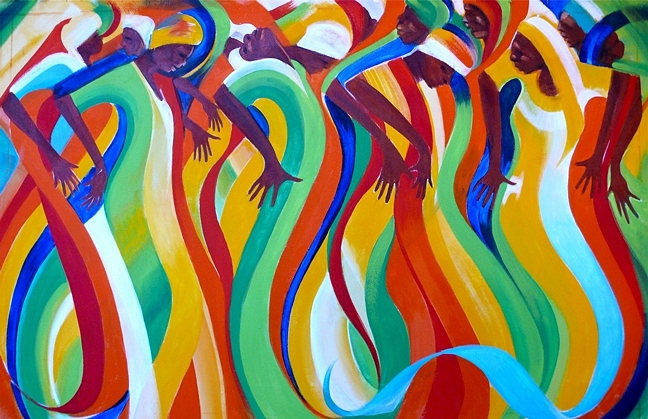
The Main Types of Rhythm in Art
Rhythm in art is not just one thing. It comes in several forms, and each one creates a different effect. Knowing the types helps you understand how artists build motion and flow.
Regular Rhythm
Regular rhythm uses repeated elements at equal intervals. It feels steady, stable, and predictable. Think of evenly spaced columns, repeated brush marks, or a pattern of the same shape.
This type is often used when an artist wants order and calm. It is common in classical design, pattern work, and architecture.
Alternating Rhythm
Alternating rhythm happens when two or more elements repeat in a pattern. For example, red and blue shapes might alternate across a canvas. This creates interest while still keeping structure.
It feels a little more lively than regular rhythm because the viewer notices the switching pattern. It is a great tool when you want rhythm in art without making the work feel too rigid.
Progressive Rhythm
Progressive rhythm changes gradually. Shapes may grow larger, colors may shift slowly, or lines may become wider or tighter. This gives a sense of movement over time.
I often think of progressive rhythm like a staircase. Each step is different, but the whole sequence leads somewhere. It works especially well when you want the eye to move in one direction.
Random Rhythm
Random rhythm uses repeated elements in no fixed order. It can feel energetic, spontaneous, or organic. Nature often shows this kind of rhythm in leaves, rocks, waves, and clouds.
This is useful when an artist wants a more natural or unpredictable look. Still, even random rhythm needs control, or it can just look messy instead of expressive.
Flowing Rhythm
Flowing rhythm is based on curved, graceful movement. It often feels smooth and gentle, like water or wind. Artists use it to create softness and elegance.
This type is common in nature scenes, abstract art, and decorative work. It is one of the most visually pleasing forms of rhythm in art because it guides the eye without force.
How Rhythm in Art Works With Other Design Principles
Rhythm in art never works alone. It connects with other core design principles to make a piece feel finished. If you understand these relationships, you can build much stronger compositions.
Rhythm and Repetition
Repetition is the base of rhythm. When a visual element appears more than once, the eye starts noticing a pattern. That pattern becomes rhythm.
But repetition alone is not enough. Rhythm in art appears when repetition starts to feel like movement, not just duplication.
Rhythm and Movement
Movement is the effect rhythm creates. The eye follows the repeated forms, and the artwork feels like it is moving through space. This is why rhythm is so useful for leading attention to a focal point.
Rhythm and Balance
Balance keeps the work from feeling too heavy on one side. Rhythm helps spread visual energy in a way that feels even and natural. A strong rhythm can make asymmetrical balance feel stable.
Rhythm and Unity
Unity means all the parts belong together. Rhythm in art helps create that connection by repeating visual cues across the piece. It makes different parts feel related, even if they are not identical.
Examples of Rhythm in Art You Can Spot in Real Life
Rhythm in art shows up everywhere once you start looking for it. You do not need to visit a museum to find it. It is in street murals, fabric patterns, building fronts, and even the way trees line a road.
Some easy examples include:
- A row of arches in a cathedral
- Repeated stripes in a painting
- The circular pattern of petals in a flower
- Tiles arranged in a floor design
- A zigzag brush pattern in an abstract canvas
- Windows lined up across a tall building
- Waves rolling toward the shore
In one project I worked on, I used a repeating diagonal pattern to make a static poster feel like it had motion. The client said it felt “alive,” which was exactly the goal. That is the quiet power of rhythm in art: it changes how people feel before they even know why.
How Artists Create Rhythm in Art
Artists create rhythm in art by repeating and varying elements with intention. The trick is not just to copy the same thing again and again. The real skill is knowing how to change it just enough to keep it interesting.
Here are the main tools artists use:
- Repetition of shape, line, or color
- Variation in size or thickness
- Spacing between repeated elements
- Direction of lines and forms
- Contrast in light, dark, or texture
- Pattern and interval changes
A good rule I have learned is this: if everything repeats exactly the same, the piece may feel flat. If everything changes too much, the rhythm breaks. The sweet spot is controlled variation.
Benefits of Using Rhythm in Art
Rhythm in art offers both visual and emotional benefits. It makes artwork easier to read and more satisfying to experience. That is true for both fine art and commercial design.
Here are the biggest benefits:
- It improves visual flow
- It creates a stronger composition
- It makes art more memorable
- It adds emotional tone
- It helps organize complex scenes
- It supports storytelling in the image
For artists, rhythm in art also helps solve practical problems. If a composition feels scattered, adding rhythm can pull it together. If a work feels too quiet, rhythm can add life without overwhelming the viewer.
Common Mistakes Artists Make With Rhythm in Art
Even experienced artists can struggle with rhythm in art. The most common issue is overusing repetition without thinking about variation. That can make the work feel mechanical.
Other mistakes include:
- Using too many competing rhythms
- Making the spacing too uneven without purpose
- Forgetting the focal point
- Adding repetition that does not support the message
- Overcrowding the composition
I have made this mistake myself in early sketches. I once packed too many repeated shapes into a composition because I wanted energy, but it ended up feeling noisy. What fixed it was removing a few elements and letting the remaining rhythm breathe.
Rhythm in Art in Different Creative Fields
Rhythm in art is not limited to painting. It is a major part of many creative fields, and the basic idea stays the same even when the medium changes.
Painting and Drawing
Painters and illustrators use rhythm in art through brush marks, repeated forms, line direction, and color patterns. It helps guide the viewer’s attention across the scene.
Graphic Design
Designers use rhythm in art to create layouts that feel smooth and easy to scan. Repeated icons, grids, type spacing, and image placement all build rhythm.
Architecture
In architecture, rhythm appears in windows, columns, beams, and facade details. It helps buildings feel balanced and visually pleasing from the outside and inside.
Photography
Photographers create rhythm through repeated objects, shadows, reflections, or patterns in nature and urban scenes. It can turn an ordinary photo into a striking one.
Fashion and Textile Design
Patterns in fabric, stitching, and clothing details often rely on rhythm in art. Repetition helps create style, identity, and visual interest.
How to Practice Rhythm in Art as a Beginner
If you want to get better at rhythm in art, the best way is to practice with small exercises. You do not need fancy tools. You just need to train your eye to see repetition and movement.
Try these simple steps:
- Pick one shape and repeat it across a page
- Change the size of the shape gradually
- Alternate two colors in a pattern
- Draw lines that lead the eye in one direction
- Create a composition using only curved forms
- Study a photo and trace the repeated visual beats
- Redraw the same subject with different rhythm patterns
A helpful habit is to step back often. Rhythm in art becomes easier to judge when you look at the whole piece, not just the details. What feels busy up close may actually be balanced from a distance.
What Makes Rhythm in Art Effective
Effective rhythm in art feels intentional. The viewer should sense a pattern, but not always predict every move. That balance between order and surprise is what gives a piece life.
Strong rhythm usually has:
- Clear repetition
- Smart variation
- A sense of direction
- Support for the main idea
- Enough space to avoid clutter
From an expert point of view, rhythm works best when it supports the purpose of the artwork. A calm interior print should not use the same rhythm as a high-energy concert poster. The rhythm has to match the message.
Frequently Asked Questions of Rhythm in Art
What is rhythm in art in simple words?
Rhythm in art is the repeated use of visual elements to create movement and flow. It helps guide the viewer’s eye through the artwork in a smooth or lively way.
Why is rhythm important in art?
Rhythm in art is important because it adds structure, energy, and unity. It makes a composition feel more complete and helps viewers stay engaged.
What are the 5 types of rhythm in art?
The five common types are regular, alternating, progressive, random, and flowing rhythm. Each one creates a different mood and visual effect.
How do you identify rhythm in art?
Look for repeated lines, shapes, colors, or patterns that lead your eye across the piece. If the artwork feels like it has a visual beat or motion, rhythm is present.
Can rhythm in art exist without repetition?
Not really, because repetition is the base of rhythm in art. But rhythm can also come from gradual change, spacing, and movement that feel patterned rather than identical.
Conclusion
Rhythm in art is one of the most useful tools for creating work that feels alive, balanced, and memorable. It turns simple shapes and colors into a visual experience with motion, emotion, and structure. Once you start noticing rhythm, you will see it everywhere, from fine art to city streets to the patterns in nature.
If you are creating your own art, begin with small repetitions and then experiment with variation. Keep it simple, observe carefully, and let the eye move naturally. Try applying one rhythm technique in your next sketch or design, and see how much stronger it feels.