
Texture in art is the visual or tactile quality that makes a surface feel real.
Texture in art is one of those quiet tools that can change everything. It can make a flat painting feel rough, a sculpture feel alive, or a digital artwork seem almost touchable. If you want to understand how artists create mood, depth, and meaning, texture in art is a great place to start.
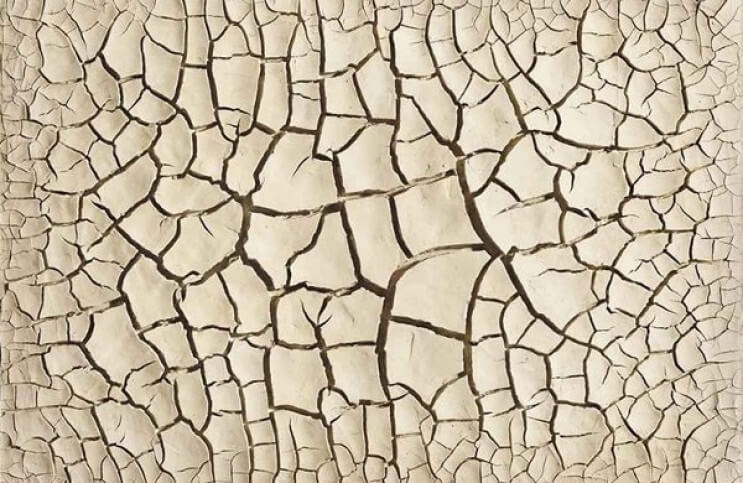
What Texture in Art Really Means
Texture in art is the surface quality of a work. It can be felt with your hands or seen with your eyes. In simple terms, texture in art describes how something looks or feels: smooth, rough, soft, hard, shiny, fuzzy, bumpy, or flat.
Artists use texture in art to guide attention and shape emotion. A rough surface can feel raw or energetic. A smooth surface can feel calm or clean. That small shift can change how a viewer reads the whole piece.
There are two main types of texture in art:
- Actual texture: This is physical. You can feel it on the surface of the artwork.
- Implied texture: This is visual. It looks textured, but the surface may still be flat.
In my own experience, texture in art is often the first thing people notice when they stand close to a piece. I have seen viewers lean in just to check whether brushstrokes, paper grain, or layered paint are real or only an illusion. That reaction tells you how powerful texture in art can be.
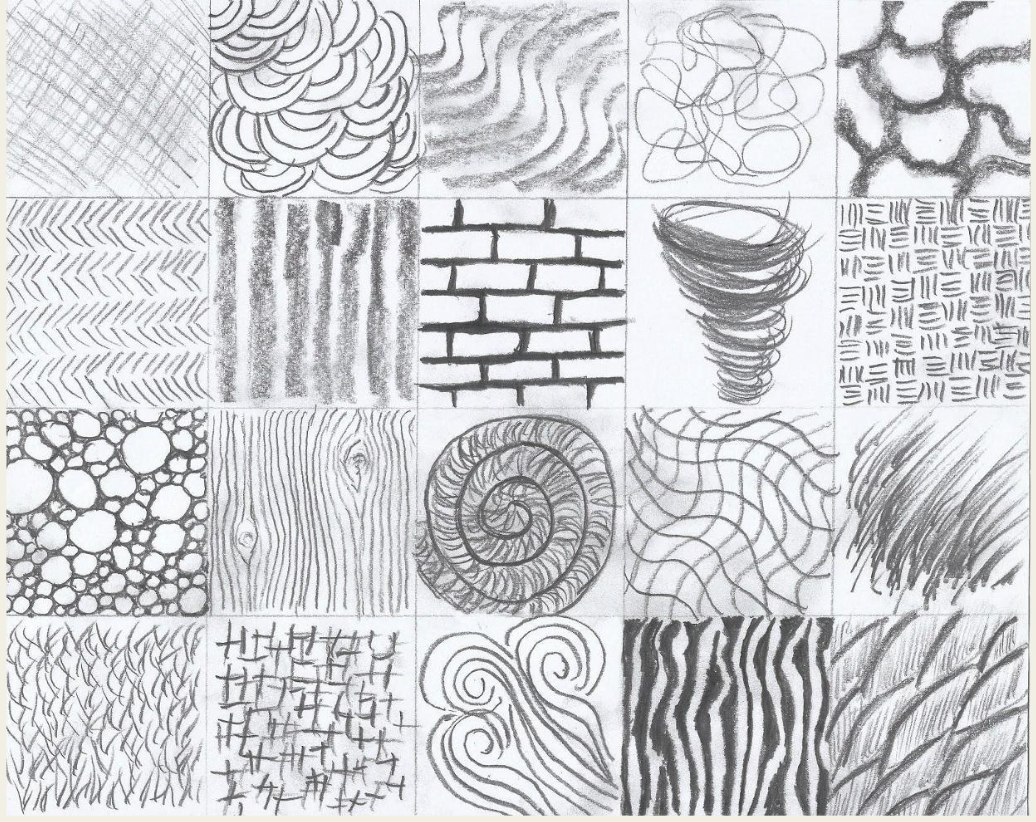
Why Texture in Art Matters
Texture in art matters because it adds life, variety, and meaning. Without texture, many works can feel too plain or too controlled. With texture, art gains depth and character.
Here is why artists use texture in art so often:
- It creates visual interest and keeps the eye moving.
- It adds realism to subjects like skin, stone, fabric, wood, and hair.
- It helps set the mood, from calm and soft to wild and dramatic.
- It builds depth in both two-dimensional and three-dimensional art.
- It can make a work feel more personal and human.
Texture in art also helps tell a story. A cracked wall may suggest age. Thick paint may suggest emotion. A polished finish may suggest beauty or luxury. In many cases, texture in art does part of the storytelling before the viewer even knows it.
Types of Texture in Art
Artists usually think about texture in art in several useful ways. Each type brings a different effect and purpose.
Actual Texture
Actual texture is the real feel of the surface. You can touch it and sense its bumps, ridges, grooves, or layers. This is common in sculpture, ceramics, mixed media, and relief work.
Examples include:
- Thick oil paint built up with a knife
- Clay with carved lines
- Collage with paper, fabric, or found objects
- Carved wood or stone
Actual texture in art can make a piece feel more physical and immediate. It invites the body into the experience.
Implied Texture
Implied texture looks real but is not physically raised. Artists create it with line, shading, color, and pattern. This is common in drawing, painting, printmaking, and digital art.
Examples include:
- Pencil shading that suggests fur
- Brush marks that suggest fabric
- Repeated dots that suggest sand or skin
- Painted highlights that suggest shiny metal
Implied texture in art is a skill of observation and illusion. It depends on how well the artist studies light and surface.
Invented Texture
Invented texture is a made-up surface effect. It may not copy anything from the real world. Instead, it creates a unique visual feel.
This kind of texture in art is common in abstract and experimental work. Artists may use unusual tools, materials, or repeated marks to create a new surface language.
Pattern as Texture
Pattern often overlaps with texture in art. Repeated shapes, lines, and colors can create a textured effect even when the surface is flat. A wallpaper-like pattern, for example, can feel textured because the eye reads it as layered and busy.

How Artists Create Texture in Art
Texture in art can be created in many simple and practical ways. Some methods are traditional, while others work well in modern and digital art.
Painting Techniques
Painters often build texture in art by changing how they apply paint.
Common methods include:
- Impasto, where paint is applied thickly
- Dry brushing, which leaves broken marks
- Layering, which builds depth over time
- Palette knife work, which creates sharp edges and ridges
- Sponging, dabbing, or scratching into wet paint
I have found that beginners often try to make texture in art too uniform. That usually flattens the work. Real texture feels alive because it changes across the surface.
Drawing Techniques
In drawing, texture in art comes from mark-making.
Useful methods include:
- Cross-hatching
- Stippling
- Scribbling
- Directional lines
- Pressure changes in pencil or charcoal
These techniques help artists suggest fur, fabric, bark, skin, and other surfaces. The key is observation. If you look closely at an object, texture in art becomes much easier to recreate.
Sculpture and Mixed Media
Sculptors work with texture in art through form and material choice. They may carve, mold, cast, or assemble surfaces that invite touch and shadow.
Materials often used include:
- Clay
- Metal
- Wood
- Stone
- Fabric
- Paper
- Resin
Mixed media artists often combine several of these to create rich texture in art. That combination can make the surface feel layered, messy, and deeply expressive.
Digital Art
Texture in art also plays a major role in digital work. Artists use brushes, overlays, grain, and scanned materials to make digital pieces feel less flat.
Common digital texture methods include:
- Custom brush packs
- Paper grain overlays
- Noise and grain effects
- Layer masks
- Photographic texture imports
Even in a digital space, texture in art helps make the work feel more handmade and emotionally warm.
The Emotional Power of Texture in Art
Texture in art does more than decorate a surface. It shapes feeling.
A soft texture may create comfort. A jagged texture may create tension. A glossy texture may feel polished and distant. A rough texture may feel honest and earthy.
This emotional effect is why texture in art matters so much in galleries, illustration, interior design, and even branding. People respond to surfaces almost instinctively. Texture in art can make a viewer slow down, pause, and feel something before they fully analyze the piece.
In practice, I have seen texture in art rescue works that looked too stiff. A little surface variation can bring warmth into an otherwise cold composition. It is like adding seasoning to food. The meal may already be good, but texture makes it memorable.
Texture in Art and Visual Depth
Texture in art helps create the illusion of depth, especially in two-dimensional work. Artists use it to show distance, focus, and surface contrast.
Some common ways texture in art supports depth include:
- Rough foregrounds that feel close
- Softer backgrounds that feel far away
- Sharp texture changes that define focal points
- Layered textures that create movement across the surface
This works because the eye naturally reads texture as a sign of physical presence. Dark, dense, or detailed areas often seem nearer. Lighter or smoother areas often feel farther away. That visual trick is one reason texture in art is so useful in painting and illustration.
Texture in Art Across Different Styles
Texture in art changes depending on style and intent. Not every movement uses it the same way.
Realism
In realism, texture in art helps copy the surface of the real world. Artists may spend hours painting hair, cloth, skin, stone, or water with careful detail.
Impressionism
Impressionist artists often use visible brushstrokes to suggest texture in art rather than fully describe it. The goal is feeling and light, not sharp detail.
Abstract Art
In abstract work, texture in art can become the main subject. Thick paint, collage, and rough surfaces often carry the emotional weight of the piece.
Contemporary Art
Many contemporary artists use texture in art to challenge expectations. They mix materials, build installations, and experiment with found objects. The surface becomes part of the concept.
Benefits of Using Texture in Art
Texture in art offers both creative and practical benefits.
- It strengthens composition by adding contrast.
- It makes art more engaging to look at.
- It improves realism and surface detail.
- It helps communicate mood and meaning.
- It gives artists more ways to express personality.
- It can make work feel more memorable and collectible.
From a professional point of view, texture in art is also a strong tool for developing a signature style. People often remember a surface before they remember a subject.
Common Mistakes to Avoid With Texture in Art
Texture in art can go wrong when it is forced or overused. I have made some of these mistakes myself, and they are worth avoiding.
- Using too much texture everywhere, which makes the work chaotic
- Ignoring the subject and adding texture just for decoration
- Making all textures the same size or intensity
- Forgetting about light, which makes texture feel flat
- Choosing materials that crack, peel, or age poorly
- Overworking the surface until it loses freshness
The best texture in art usually feels intentional. It supports the idea instead of fighting it.
How to Appreciate Texture in Art as a Viewer
You do not need to be an artist to notice texture in art. You just need to slow down and look closely.
Try this when viewing artwork:
- Step back first and notice the overall surface.
- Move closer and study the marks, layers, and materials.
- Ask how the texture changes the mood.
- Notice whether the texture is real or only suggested.
- Think about what the surface says about the subject.
This small habit can completely change how you experience art. Texture in art often holds the “secret” of the piece.
Texture in Art in Everyday Life
Texture in art is not limited to museums or studios. You see it everywhere.
Examples include:
- The grain in handmade paper
- The brushwork in a mural
- The stitches in textile art
- The surface of a ceramic bowl
- The finish on a poster or package
- The layered look of street art and graffiti
Once you start noticing texture in art, your eye becomes sharper. You begin to see how everyday objects use visual and tactile surfaces to create meaning.
Frequently Asked Questions
What is texture in art?
Texture in art is the surface quality of an artwork, whether real or implied. It describes how a work looks or feels, such as smooth, rough, soft, or bumpy.
What are the two main types of texture in art?
The two main types are actual texture and implied texture. Actual texture can be physically touched, while implied texture only looks tactile.
Why do artists use texture in art?
Artists use texture in art to add depth, emotion, realism, and visual interest. It also helps guide the viewer’s eye and support the artwork’s message.
How do you create texture in art?
You can create texture in art through thick paint, shading, collage, carving, mark-making, or digital brush effects. The method depends on the medium and the look you want.
Can texture in art change the meaning of a piece?
Yes, texture in art can strongly shape meaning. A smooth surface may feel calm or refined, while a rough surface may feel raw, tense, or expressive.
Conclusion
Texture in art is one of the most powerful ways to make artwork feel alive. It adds depth, emotion, realism, and personality, whether the surface is actually touchable or only looks that way. When used well, texture in art can turn a simple image into a richer experience.
If you are creating art, try experimenting with one new texture method this week. If you are viewing art, slow down and notice what the surface is saying. Keep exploring, keep observing, and keep learning how texture in art shapes the way we see the world.