
Drawing tools and materials shape every sketch, from first line to final detail.
If you have ever wondered why one drawing feels smooth and confident while another looks muddy or stiff, the answer usually starts with the tools and materials. After years of working with pencils, charcoal, pens, paper, and erasers in real projects, I can say this with confidence: the right drawing tools and materials do not just help you draw better, they help you think better on the page. In this guide, I will walk you through the essentials, explain how each tool works, and share practical tips so you can choose drawing tools and materials that fit your style, your budget, and your goals.
What Drawing Tools and Materials Really Are
Drawing tools and materials are the physical items you use to create marks on a surface. That includes pencils, charcoal, pens, markers, erasers, sharpeners, paper, and other support items like blending stumps or rulers. Together, they affect line quality, texture, shading, control, and the final look of your artwork.
The biggest mistake I see beginners make is buying random supplies without knowing what each one does. A soft graphite pencil behaves very differently from a hard one. Smooth paper responds differently than toothy paper. Once you understand the basics, drawing tools and materials stop feeling confusing and start feeling like a creative system.
Good materials also save time. I once spent weeks trying to force a sketchbook that was too smooth for charcoal. The charcoal kept sliding around, and I thought the problem was my skill. It was the paper. That lesson changed how I choose drawing tools and materials today.
The Core Drawing Tools Every Artist Should Know
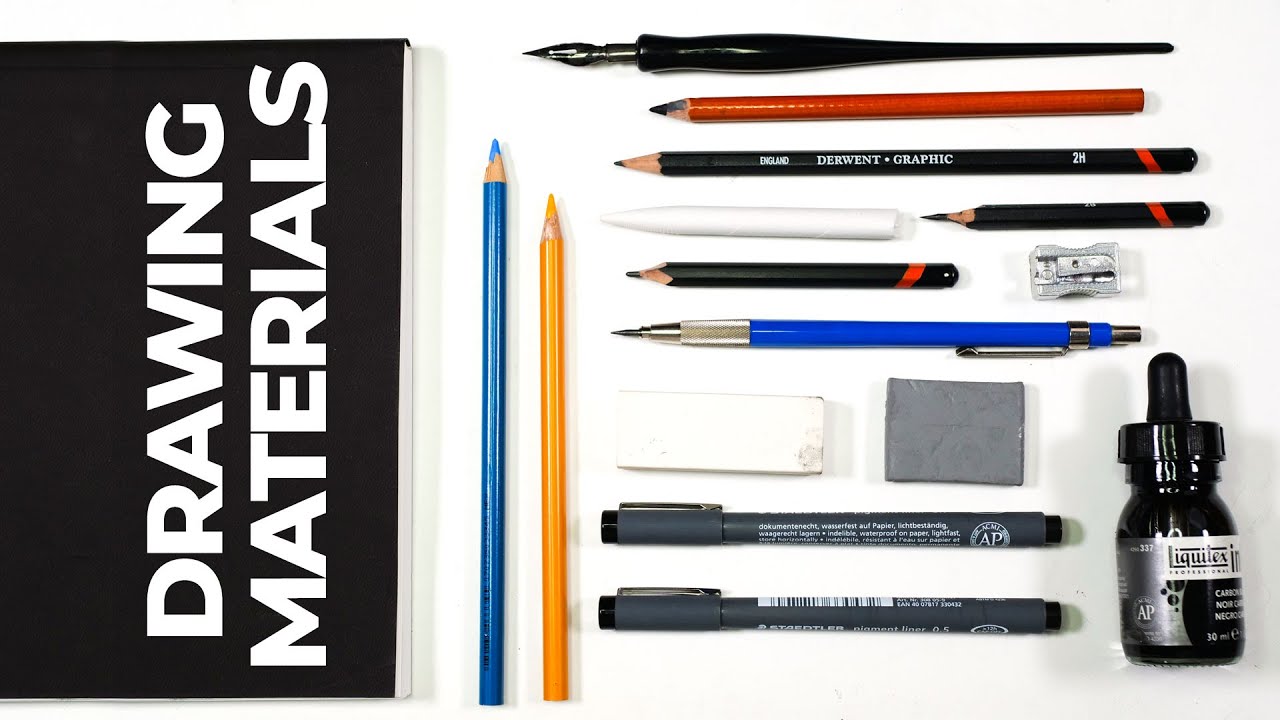
The best way to understand drawing tools and materials is to start with the essentials. These are the items most artists use regularly, whether they draw for fun, study, or professional work.
Pencils
Pencils are the most common drawing tool for a reason. They are simple, flexible, and easy to control. Graphite pencils come in different hardness levels, from hard grades like 2H to soft grades like 6B or 8B.
Here is the basic idea:
- Hard pencils make light, thin, clean lines
- Soft pencils make dark, rich, smooth marks
- Mid-range pencils like HB and 2B work well for everyday sketching
In my own work, I keep a small range close by instead of chasing every possible grade. A 2H, HB, 2B, and 6B can handle most exercises, from layout sketches to deep shadows. If you are building your first set of drawing tools and materials, pencils should be at the top of the list.
Charcoal
Charcoal gives drawings a bold, dramatic feel. It is great for gesture drawing, portraits, life drawing, and high-contrast shading. It can be messy, but that mess is part of its charm.
There are a few common types:
- Vine charcoal, which is soft and easy to erase
- Compressed charcoal, which is darker and stronger
- Charcoal pencils, which offer more control
Charcoal taught me a useful lesson: speed matters. If you work too carefully with charcoal, it can lose its energy. When used well, charcoal adds life and motion that graphite sometimes cannot match.
Pens and Ink Tools
Pens bring permanence and clarity. Once ink is down, it is usually there to stay, which makes the tool both exciting and unforgiving. Many artists use fineliners, brush pens, technical pens, and dip pens.
Why artists like ink tools:
- They create crisp lines
- They encourage confidence
- They work well for outlines, cross-hatching, and comic art
Ink has a way of exposing weak line choices. I learned to slow down and commit to each stroke after many early mistakes with a shaky pen hand. That discipline makes ink one of the most valuable drawing tools and materials for line-based artists.
Erasers
Erasers are not just for fixing mistakes. They are also drawing tools. A kneaded eraser can lift graphite gently, soften shading, and create highlights. A vinyl eraser removes dark marks more aggressively. A precision eraser helps with small details.
A few practical uses:
- Lightening construction lines
- Cleaning edges
- Pulling out highlights in hair, fabric, or metal
- Correcting small placement errors
A good eraser gives you freedom. It lowers the pressure to be perfect on the first try, which is one reason beginners improve faster when they have the right drawing tools and materials.
Sharpeners and Knives
A sharp point changes everything. Pencil sharpeners are convenient, but craft knives or blade sharpeners give more control over pencil shape. A long point can help with detailed lines, while a shorter point can help with shading.
If you have ever had a pencil break repeatedly, you know how frustrating dull tools can be. Clean sharpening is one of those small habits that improves the whole drawing process.
Choosing the Right Paper and Surfaces
Paper is not just a background. It is part of the drawing itself. Different paper types react in different ways to graphite, charcoal, ink, and markers. The wrong surface can make even good drawing tools and materials feel weak.
Smooth Paper
Smooth paper works well for fine detail, technical drawing, and pen work. It lets the nib or pencil glide easily. It is often a good choice for clean line art.
Best for:
- Ink drawings
- Mechanical pencil work
- Fine detail
- Architectural sketching
Medium-Texture Paper
This is the most versatile option. It gives enough tooth to hold graphite and charcoal without being too rough. For many artists, this is the safest starting point.
Best for:
- General sketching
- Study drawings
- Mixed graphite work
- Beginner practice
Rough Paper
Rough paper has more texture and grip. It is excellent for charcoal, pastel, and expressive shading. It can also create interesting visual texture in graphite drawings.
Best for:
- Charcoal
- Pastel
- Loose, expressive sketches
- High-texture effects
Paper weight also matters. Heavier paper resists buckling and handles more layers. If you work with wet media or heavy blending, paper strength becomes especially important. I have learned the hard way that cheap paper can collapse under heavy erasing and repeated layering.
Sketchbooks
A sketchbook is more than a place to store drawings. It is a training ground. A portable sketchbook encourages quick ideas, observational studies, and daily practice.
When choosing a sketchbook, consider:
- Paper texture
- Paper weight
- Size
- Binding style
- Whether you want acid-free pages for long-term storage
If you are serious about improving, a sketchbook is one of the smartest drawing tools and materials you can own. It keeps your practice consistent.
Support Tools That Make Drawing Easier
Some tools do not make the marks themselves, but they improve control, comfort, and results. These often get ignored, even though they matter a lot.
Rulers and Straightedges
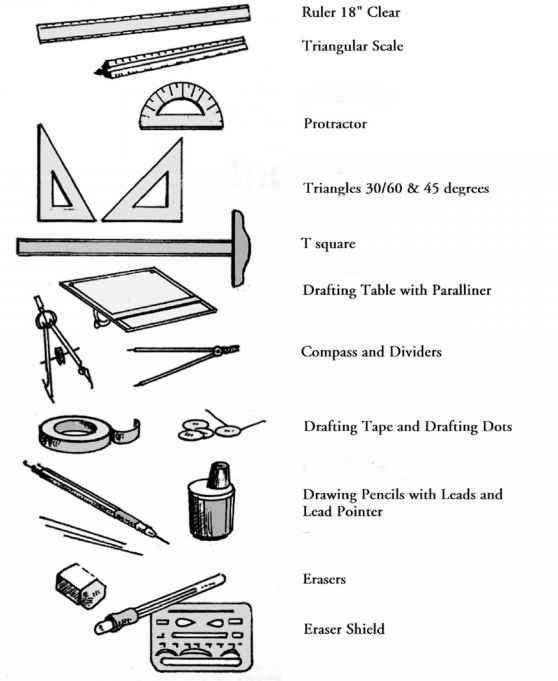
Rulers help with perspective, clean borders, and accurate measurements. They are especially useful in design, architecture, and still life drawing with strong geometry.
Blending Stumps and Tortillons
These tools smooth graphite or charcoal. They are useful for soft transitions, but they should not replace good layering. Overblending can make a drawing look muddy.
From experience, I would say this: blend less than you think you need. It is easy to overwork a drawing and flatten the texture.
Fixative
Fixative is a spray that helps protect charcoal or pastel drawings from smudging. It can be useful, but it is not magic. It may slightly change the surface or darken areas, so test it first.
Drawing Boards and Tape
A flat drawing board keeps paper stable. Tape holds the page in place and prevents movement. These small items create a cleaner, calmer setup, especially for larger drawings.
Kneaded Putty and Cloths
A clean kneaded eraser, soft cloth, or paper towel can help with lifting, blotting, and surface cleanup. These are simple but very useful parts of drawing tools and materials.
How to Build a Beginner Drawing Kit
You do not need a giant supply list to start. In fact, too many choices can slow you down. A lean kit helps you focus on learning instead of shopping.
Here is a smart beginner set:
- A set of graphite pencils
- One kneaded eraser
- One vinyl eraser
- A sharpener
- A few sheets of medium-texture drawing paper
- One sketchbook
- A blending stump
- Optional fineliner or ink pen
This small set covers most basic drawing exercises. It also teaches you how different drawing tools and materials behave without overwhelming you.
When I teach beginners, I often recommend starting with graphite first. Graphite gives immediate feedback, costs less than many specialty media, and helps build hand control. Once your hand feels steadier, charcoal and ink become much easier to manage.
How to Choose Drawing Tools and Materials for Your Style
Not every artist needs the same setup. Your choice should match your goals.
For sketching and practice
Use graphite pencils, a sketchbook, and a kneaded eraser. This combo is forgiving and great for learning.
For realistic drawing
Use a wider pencil range, smooth or medium paper, blending tools, and a precision eraser. Realistic work needs control over value and edges.
For expressive art
Use charcoal, rough paper, and bold erasers. This setup supports energetic marks and dramatic contrasts.
For line art and comics
Use fineliners, technical pens, and smooth paper. Clean ink lines are easier when the surface is even.
For mixed media
Use heavier paper that can handle pencil, ink, marker, or light washes. Mixed work needs a stronger base.
Choosing drawing tools and materials is a bit like choosing shoes for a long walk. The wrong pair will still get you there, but the right pair makes the trip easier and more enjoyable.
Common Mistakes to Avoid
A lot of frustration in art comes from simple supply mistakes. These are the ones I see most often.
- Buying too many tools at once and not learning any of them well
- Using paper that is too smooth for charcoal or too thin for heavy erasing
- Pressing too hard with graphite, which can damage paper
- Overusing blending tools and losing structure
- Ignoring the importance of light and dark pencil grades
- Choosing cheap pens or markers that skip or bleed
One of my own early mistakes was treating every pencil like it should do everything. Once I started using harder pencils for construction and softer pencils for shading, my drawings improved almost overnight. That is the power of understanding drawing tools and materials instead of just collecting them.
How Different Drawing Tools Affect Technique
Your tools shape your habits. That is one of the most underrated truths in art.
- Hard pencils encourage careful planning and light construction
- Soft pencils encourage richer shading and stronger contrast
- Charcoal encourages movement and bold decisions
- Ink encourages confidence and clean line work
- Textured paper encourages visible mark-making and depth
This is why artists often keep several types of drawing tools and materials on hand. Different tasks call for different behaviors. A portrait study may need graphite and blending. A quick urban sketch may need pen and a compact sketchbook. The right tool makes the right technique easier to repeat.
Budget-Friendly Ways to Buy Drawing Tools and Materials
You do not need premium supplies to make strong art. Good habits matter more than fancy packaging. That said, some low-cost tools are better than others.
Smart budget tips:
- Buy fewer pencils, but choose reliable brands
- Start with one good sketchbook instead of many cheap ones
- Test paper before buying in bulk
- Replace worn erasers and sharpeners before they fail
- Keep your supplies organized so nothing gets lost
The best value often comes from tools you actually use. A simple, dependable set of drawing tools and materials will usually outperform a large box of supplies that sit untouched.
Care and Storage Tips
Even the best supplies wear out if you ignore them. Proper storage keeps your tools useful longer.
Try these habits:
- Store pencils and pens in a case
- Keep paper flat and dry
- Clean blending tools often
- Cap ink pens tightly
- Protect charcoal drawings from smudges
- Replace damaged erasers when they become dirty or stiff
I have seen many good supplies ruined by moisture, dust, or poor storage. Treat your tools well, and they will return the favor.
Frequently Asked Questions of drawing tools and materials
What are the most essential drawing tools for beginners?
The most essential drawing tools for beginners are graphite pencils, a kneaded eraser, a vinyl eraser, a sharpener, and a sketchbook. These basics give you enough control to practice lines, shading, and simple forms without overwhelm.
What is the best paper for drawing?
The best paper depends on the medium, but medium-texture drawing paper is the safest all-purpose choice. It works well for graphite, light charcoal, and general sketching.
Should I use charcoal or graphite first?
Graphite is usually better for beginners because it is cleaner, more forgiving, and easier to control. Charcoal is excellent too, but it can feel messier and more sensitive to touch.
How do I know which pencil grade to buy?
A small range is enough for most artists. HB works for general use, 2B is great for shading, and 2H helps with light construction lines.
Do expensive drawing tools and materials make a big difference?
Sometimes, but not always. Better quality tools often give smoother results and last longer, yet skill and practice matter more than price.
Conclusion
The best drawing tools and materials are the ones that support your style, your practice, and your comfort. Once you understand how pencils, paper, charcoal, ink, erasers, and support tools work together, drawing becomes less frustrating and far more rewarding. You do not need everything at once; you just need the right basics and the willingness to keep learning.
Start simple, test what feels right, and build your kit with intention. If you are ready, look at your current supplies today and make one smart upgrade that matches your goals. If this guide helped, keep exploring, practice often, and leave a comment with the drawing tools and materials you use most.